Walk down the cleaning aisle and half the bottles now claim to be “septic-safe,” while a shelf near the checkout promises a monthly packet that keeps your tank running forever. Some of it helps, some does nothing, and a few products quietly harm the very system they claim to protect. After years of running a septic system and testing more of these products than I’d like to admit, I’ve sorted the genuinely useful gear from the marketing. This guide is the whole map: what to buy, what to skip, and how to tell the difference across additives, filters, cleaners, toilet paper, and alarms.
Key Takeaways
- The products worth your money are the hardware: an effluent filter (often $30–$100) and a working high-water alarm protect the expensive parts of your system.
- “Septic-safe” isn’t a regulated term, so read past the label; look for what a product does not contain (bleach, quats, phosphates) rather than the badge on the front.
- Most tank additives are optional; the EPA notes a healthy tank grows its own bacteria, and no additive replaces routine pumping every 3–5 years.
- Everyday wins come from gentle cleaners, fast-dissolving toilet paper, and low-phosphate liquid detergent, not from a miracle packet.
- Before buying anything, ask: does this protect the tank or the drain field, or just my peace of mind?
What “Septic-Safe” Actually Means
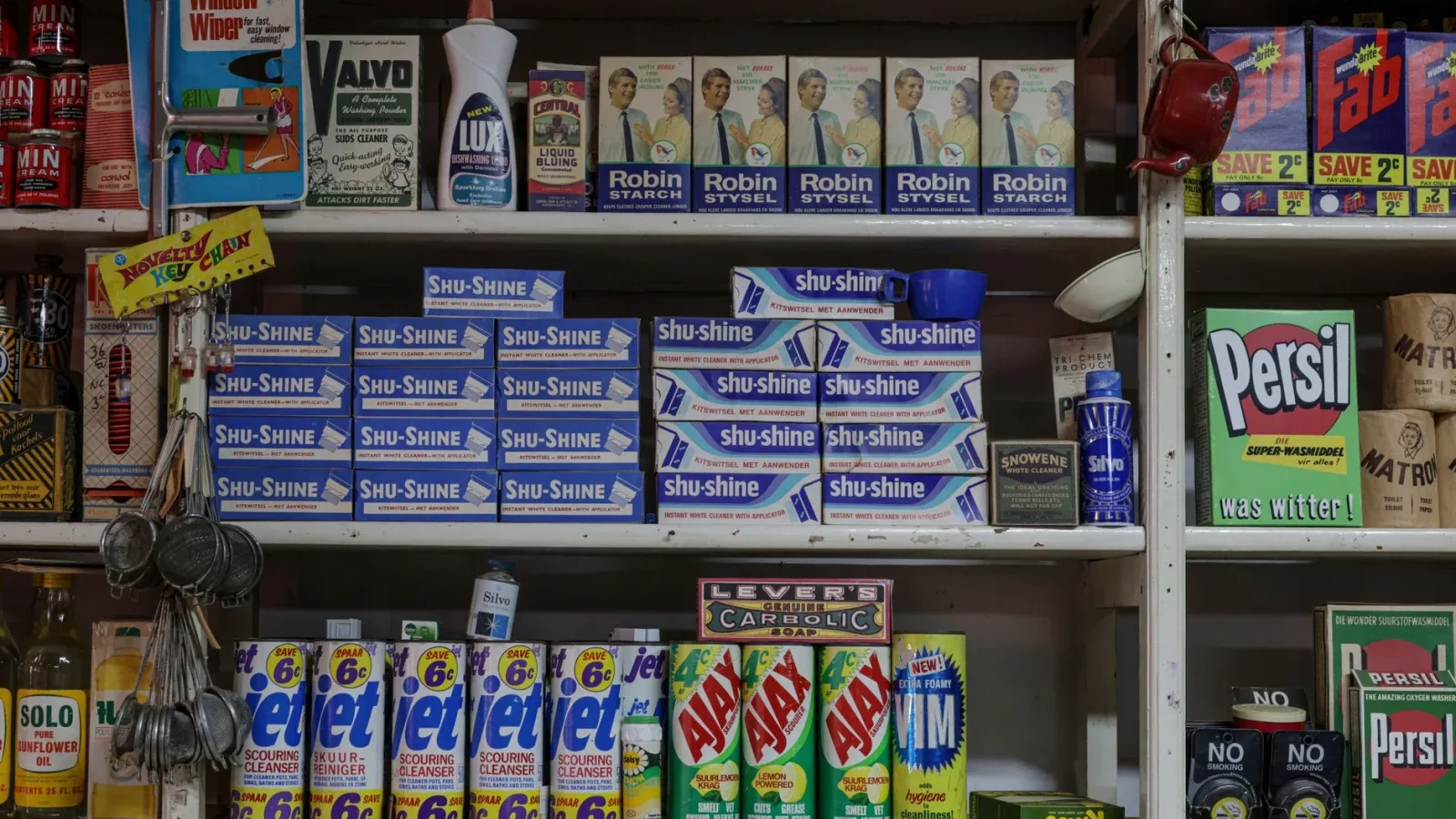
Here’s what no bottle tells you: “septic-safe” is a marketing phrase, not a certified standard. No federal agency tests products and stamps them approved. The label is only as trustworthy as the company printing it, so it’s on you to read past the front of the package.
The reason it matters comes down to biology. Your tank runs on a living colony of bacteria that break down waste. Anything that kills those bacteria, or clogs the system with things it can’t digest, is the opposite of septic-safe no matter what the label promises. The real test isn’t the badge; it’s the ingredients and how the product behaves down the drain.
For a deeper breakdown of the label itself, our companion piece on what makes a product septic-safe walks through the specific ingredients to watch. The short version: judge products by what they leave out, not the sticker on the front.
The three questions I ask before buying anything
- Does it harm the bacteria? Chlorine bleach, antibacterial “quats,” and heavy solvents in large amounts can knock back the colony your tank depends on.
- Does it add non-degradable junk? Wipes labeled “flushable,” undissolved paper, and grease all pile up as solids the bacteria can’t touch.
- Does it actually solve a problem I have? A lot of septic products treat a worry rather than a real issue. If your system is healthy and pumped on schedule, you may not need the product at all.
Hardware Worth Every Dollar
If you spend money on one category, make it hardware. Unlike additives, these are physical parts that measurably protect the two most expensive things you own underground: the tank and the drain field. It’s where I tell every new owner to start.
The effluent filter
An effluent filter is a screen that sits in the tank’s outlet and catches stray solids before they flow out to the drain field. It’s often a $30–$100 part guarding a component that can cost $20,000 or more to replace, which makes it the best return on investment in septic ownership. Many newer tanks already have one; older tanks may not, and adding one is usually straightforward for a pro.
Sizing and fit matter, so don’t just grab any screen. Our guide on how to choose an effluent filter for your septic tank covers matching it to your outlet pipe. The filter does need occasional rinsing, but that small chore beats a clogged field every time.
A working alarm
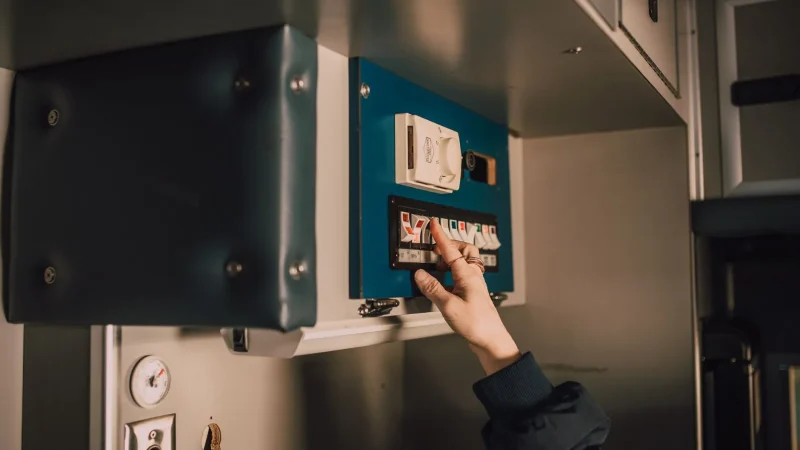
If your system has a pump (mound systems, aerobic units, and any setup pushing effluent uphill), a high-water alarm is not optional. It’s the smoke detector of your septic system: it warns you the moment liquid rises too high, before it backs up into the house. A basic alarm is cheap insurance against a very expensive, very unpleasant morning.
Not all alarms are equal, though, and some “smart” features are pure upsell. Our breakdown of which septic alarm features are worth paying for sorts the useful from the gimmicky.
Risers and lids
A riser brings the tank’s access lid up to ground level so future pumping and inspections don’t require digging. It doesn’t treat anything, but it saves labor and hassle at every service visit for decades. If your lids are buried a foot or two down, a riser pays for itself. See how to choose a septic tank riser and lid for materials and fit.
| Product | Typical cost | What it protects | Verdict |
|---|---|---|---|
| Effluent filter | $30–$100 | The drain field | Buy — best value in septic |
| High-water alarm | $40–$150 | Your home from backups | Buy if you have a pump |
| Riser & lid | $150–$450 installed | Your wallet at service time | Worth it long term |
| Bacterial additive | $10–$40/yr | Mostly peace of mind | Optional at best |
| “Miracle” restorer | $50–$150 | Nothing measurable | Skip |
| Rough price ranges vary by region, tank size, and installer; treat these as ballpark figures. | |||
The Additive Debate: Do You Need Them?
This is the category owners ask about most, and the honest answer disappoints the additive industry. A healthy tank grows the bacteria it needs on its own, from the waste you send it every day. The EPA’s guidance is that most systems don’t require additives to function, so for a normal, well-maintained tank, that monthly packet is largely optional.
There are two broad types on the shelf. Bacterial additives add more of the microbes your tank already cultures, while enzyme and chemical additives claim to break down solids faster. The head-to-head details are in our comparison of enzyme versus bacterial septic treatments, but neither is a substitute for the one thing that truly matters.
That one thing is pumping. No product on earth removes the sludge that accumulates at the bottom of your tank; only a pump truck does. Any claim that a bottle “eliminates the need for pumping” is a red flag. We lay out the full argument in septic additives versus regular pumping, and the verdict is blunt: additives never replace pumping every three to five years.
Warning: “Never pump again” claims are the biggest red flag
Any product promising you’ll never need to pump your tank again is making a claim that can cost you thousands. Solids physically accumulate and must be physically removed. Believing the packet instead of pumping is how healthy tanks turn into failed drain fields. When a claim sounds too good to be true for a system this important, treat it as a warning, not a solution, and stick to your pumping schedule.
Everyday Products That Do the Most Good
Here’s the pleasant surprise: the products with the biggest daily impact aren’t specialty septic items at all. They’re the ordinary supplies you already buy, chosen a little more carefully. Get these right and your tank’s bacteria thrive without any additive.
Toilet paper that dissolves
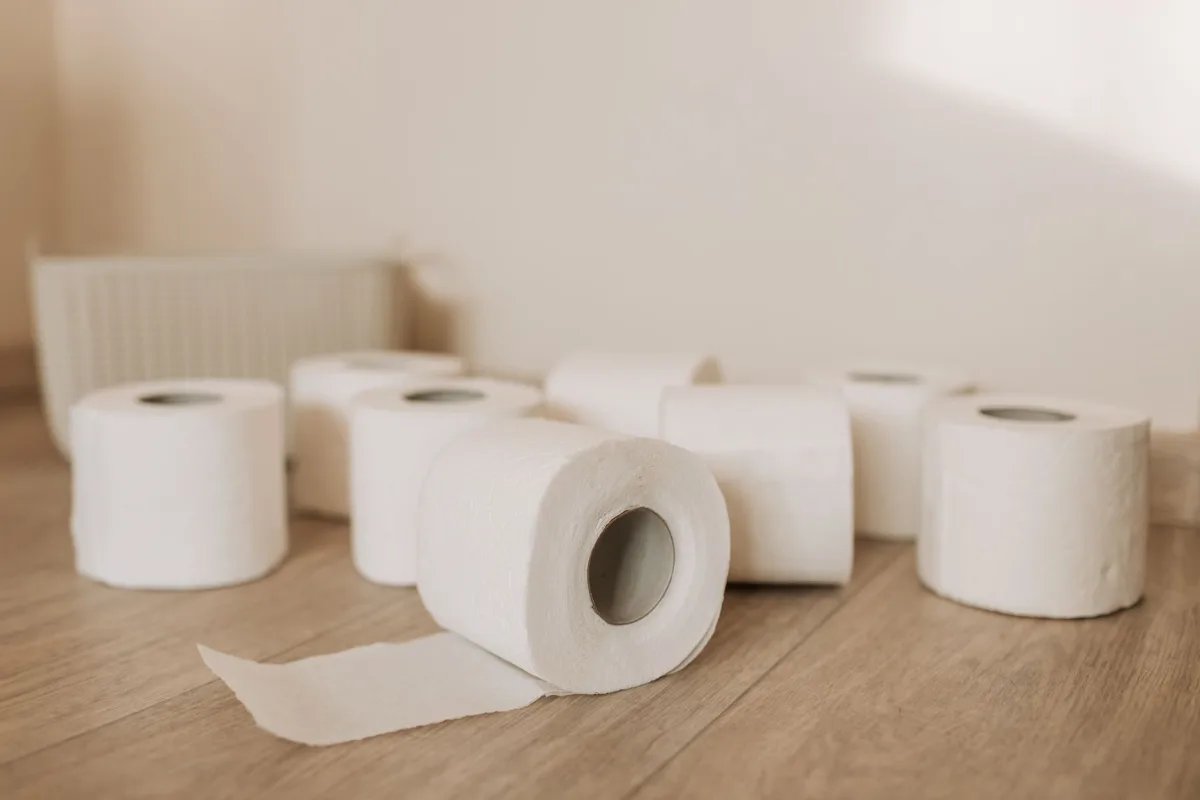
Toilet paper is the non-food product most likely to sit in your tank. Fast-dissolving paper breaks apart so bacteria can process it; thick, quilted, “ultra-plush” rolls resist breaking down and add to the sludge layer. You don’t need anything exotic, and a simple jar test tells you a lot. For specific picks, see our roundup of the best septic-safe toilet paper options compared.
Cleaners that don’t nuke your tank
You can keep a clean house without a sterile tank. The goal is to avoid dumping large volumes of chlorine bleach, antibacterial cleaners, and drain solvents that wipe out bacteria. Small, everyday amounts rinse through fine; it’s the gallon-of-bleach approach that causes trouble. Our list of septic-safe cleaning products that actually work covers effective options that leave your microbes alive.
The right laundry detergent
Detergent choice matters more than most owners realize. Liquid detergents are generally gentler than powders, some of which use clay fillers that add to solids. Low- or no-phosphate formulas are easier on the drain field. Our guide to picking a septic-safe laundry detergent explains the liquid-versus-powder and phosphate details.

Products to Put Back on the Shelf
Not everything with a septic-themed label deserves a spot in your cart. A few products range from useless to genuinely harmful, and knowing them saves both money and heartache.
- “Flushable” wipes. Despite the name, they don’t break down like toilet paper and are a leading cause of clogs. Toss them in the trash instead.
- Chemical drain openers. The caustic versions can harm your tank’s bacteria and, in a septic setting, often push a problem downstream rather than solving it.
- Miracle “restorer” packets. Products claiming to rejuvenate a failing drain field with a poured-in solution rarely deliver; a truly failing field needs professional evaluation.
- Heavy antibacterial everything. Constant antibacterial soap, cleaners, and bleach in volume work against the living system you’re trying to support.
For the full rundown, including the marketing tricks to watch for, see septic products to avoid that waste money. It pairs well with this guide as the “don’t buy” companion to everything above.
Tip: The 30-second jar test beats any label
Before I trust a “septic-safe” toilet paper, I drop two squares into a jar of water, cap it, and shake for about 15 seconds. Paper that dissolves into cloudy pulp is tank-friendly; paper that stays in stubborn sheets isn’t, no matter what the package says. On my own system I switched brands after a jar test showed my old “premium” roll barely broke apart. It’s the cheapest product test you’ll ever run, and it tells you more than the front of the package ever will.
How to Vet Any Septic Product in 5 Steps
When you’re standing in the aisle with a bottle in hand, you don’t need to memorize chemistry. Run it through this quick checklist and you’ll dodge most of the money-wasters.
- Flip it over and read the ingredients. Ignore the “septic-safe” badge on the front and look for chlorine bleach, quaternary ammonium (quats), or phosphates. Absence of the harsh stuff matters more than the sticker.
- Check the claim against reality. If it promises to end pumping, dissolve all solids, or permanently fix a drain field, be skeptical. Nothing does those things.
- Ask what it protects. Hardware that guards the tank or field is worth it; a product that only soothes worry usually isn’t.
- Match it to a real problem. Don’t buy a treatment for an issue you don’t have. A healthy, pumped system rarely needs additives.
- Compare the cost to the alternative. A $40 filter beats a $20,000 drain field. A $30 monthly packet, over years, buys a lot of professional pumping.
Keep this list in mind and the “septic-safe” aisle stops being intimidating.
A Worked Example: My Actual Product Budget
To make this concrete, here’s roughly what I’ve spent on septic products for my own 1,000-gallon system over about five years, and where the money actually went.
The big-ticket items were one-time hardware: an effluent filter (around $55, since replaced once) and a high-water alarm on my pump (about $90). I already had risers. On the everyday side, I switched to fast-dissolving toilet paper and a low-phosphate liquid detergent, neither costing more than what they replaced. I also stopped buying a monthly bacterial additive I’d used out of habit, which ran roughly $30 a year for no measurable benefit.
Over five years, my total “septic product” spend was well under $200, and most of that was the filter and alarm protecting a system worth many thousands. Meanwhile, sticking to a four-year pumping schedule (roughly $400 a visit) did the real work no bottle could. That’s the pattern I’d point any owner toward: spend on the protective hardware, choose everyday supplies wisely, and let your pumping schedule, not a packet, keep the tank healthy.
Frequently Asked Questions
Quick answers to the septic product questions owners ask most at the store shelf.
Does “septic-safe” on a label mean anything official?
No. “Septic-safe” is a marketing phrase, not a regulated or certified standard, so no agency verifies it. The label is only as reliable as the brand printing it. Judge a product by its actual ingredients, avoiding large amounts of bleach, antibacterial quats, and phosphates, rather than trusting the badge on the front of the package.
Do I need to add bacteria or enzymes to my septic tank?
Usually not. A healthy tank grows the bacteria it needs from everyday waste, and the EPA notes most systems function without additives. They may not hurt, but they don’t replace pumping and won’t rescue a neglected system. If your tank is on a regular pumping schedule and running well, additives are optional at best.
Can any product let me skip pumping my septic tank?
No, and any product claiming otherwise is a red flag. Solids physically accumulate at the bottom of the tank and can only be removed by a pump truck. No additive, enzyme, or treatment dissolves that sludge away. Plan to pump every three to five years for a typical household regardless of what products you use.
Is an effluent filter worth the cost?
Yes, it’s arguably the best value in septic ownership. For roughly $30 to $100, an effluent filter catches solids at the tank outlet before they can reach and clog your drain field, the component that can cost $20,000 or more to replace. It needs occasional rinsing, but that small chore protects your most expensive underground asset.
Are “flushable” wipes safe for a septic system?
No. Despite the label, flushable wipes do not break down like toilet paper and are a common cause of clogs and pump problems. The safest habit is to throw all wipes in the trash, even ones marketed as flushable. The only things that belong in a septic system are human waste and fast-dissolving toilet paper.
Will regular household cleaners ruin my septic tank?
Normal, everyday amounts of most cleaners rinse through without harming your tank. The problem is volume, pouring large quantities of chlorine bleach, antibacterial products, or caustic drain openers, which can knock back the bacteria your tank relies on. Choose gentler cleaners for routine use and save harsh chemicals for rare, small applications.
The Bottom Line
Shopping for a septic system is simpler than the crowded shelf makes it look. Spend on the protective hardware, an effluent filter, an alarm if you have a pump, a riser for easy access. Choose everyday supplies that dissolve and don’t sterilize your tank. Treat additives as optional and treat “never pump again” claims as warnings. The EPA’s SepticSmart program makes the same point: a well-cared-for system rarely needs a shelf full of miracle products. When you’re ready to dig into any single choice, browse our full septic products library for the deep dives on filters, treatments, cleaners, and alarms.