

Nothing about a septic system shows up on a monthly bill, so it’s easy to forget it costs anything at all, right up until a pump truck, an inspector, or a backhoe is parked in your yard. That gap between “invisible” and “four figures” is where most owners get blindsided. After years of running my own system and comparing more quotes than I’d like, I’ve learned the numbers aren’t mysterious once you group them. This guide lays out the whole money picture in one place: what routine care costs, what surprises might hit, and what a worst-case replacement really runs, so you can plan instead of panic.
Key Takeaways
- Routine care is cheap. Pumping every 3–5 years runs roughly $300–$600, and a basic inspection often $150–$450—budget around $150–$250 a year and you’re covered.
- Repairs are the middle tier. A new effluent filter, baffle, or pump typically lands in the low hundreds to low thousands, depending on the part.
- Replacement is the big one. A new drain field or full system can run several thousand to $20,000+, which is exactly why maintenance pays off.
- Every quote varies by tank size, access, soil, and region—the ranges here are ballparks, not fixed prices.
- The single best cost-control move is staying on a pumping schedule; skipping it is how a $400 visit becomes a $15,000 dig.
The Three Tiers of Septic Costs
The easiest way to make sense of septic spending is to sort every expense into three tiers: routine, repair, and replacement. They differ by how often they happen and how big the check is. Once you see them side by side, the whole picture stops feeling random.
Tier one is routine care: predictable, scheduled, and cheap relative to everything else. Tier two is repairs: occasional, part-specific, and usually manageable if you catch trouble early. Tier three is replacement: rare, expensive, and largely avoidable with good habits. Most owners spend almost all their septic dollars in tier one and never touch tier three.
| Tier | Example | Typical cost | How often |
|---|---|---|---|
| Routine | Tank pumping | $300–$600 | Every 3–5 years |
| Routine | Basic inspection | $150–$450 | Every 1–3 years |
| Repair | Effluent filter / baffle | $100–$500 | As needed |
| Repair | Pump replacement | $500–$1,500 | Every 5–15 years (pumped systems) |
| Replacement | New drain field | $3,000–$20,000+ | Once in 15–40 years |
| Replacement | Full new system | $7,000–$25,000+ | Rarely |
| Ranges are ballparks; actual prices swing with tank size, site access, soil, permits, and local rates. | |||
Notice the gap between tiers. The jump from a $400 pumping to a $15,000 drain field replacement is enormous, and it’s rarely a coincidence. Neglecting tier one is the most common path to tier three. For a fuller look at what pushes any given quote up or down, see our breakdown of what drives the cost of septic service.

Routine Costs: Pumping and Inspection
These are the expenses you can and should plan for, because they arrive on a schedule you control. Handle them well and you keep the rare, expensive tiers at bay. This is where your septic budget should mostly live.
What pumping actually costs
Pumping is the core routine expense. For a typical 1,000 to 1,500-gallon tank, a pump-out often runs about $300 to $600. The EPA recommends most households pump every three to five years, though a big family or small tank may need it more often. Add-ons like locating and digging up buried lids, or disposing of extra sludge, can nudge the bill higher.
The variables are straightforward: tank size, how full it is, how easy the access is, and your regional labor rates. If your lids are buried, expect a digging surcharge. We break down every line item in our guide to septic pumping cost and what to expect to pay.
What inspection costs
Inspections range widely because “inspection” covers everything from a quick visual check to a full loaded test with a camera. A basic visual and tank inspection often runs $150 to $450, while a detailed real-estate or transfer inspection can cost more. It’s a small price to catch a failing baffle or rising sludge before it becomes a backup.
Whether you need the cheap version or the thorough one depends on why you’re inspecting, and our guide to septic inspection cost and what you pay for sorts the types. If you’re weighing whether to inspect or just pump this year, our comparison of repair versus replace long-term costs is a useful companion once problems appear.
Tip: Bundle the inspection with the pump-out
When the tank is open and empty for a pumping is the cheapest, clearest moment to inspect it. On my own system I ask the pumper to check the baffles and note the sludge level every visit, which usually adds little to the bill but tells me whether my three-to-four-year interval is right. Two trips folded into one saves a separate service fee and gives you a real look at the inside of the tank while it’s accessible.
Repair Costs: When Something Breaks
Repairs sit in the uncomfortable middle: bigger than routine care, but far cheaper than replacement, and often the fork in the road that decides which way your costs go. The trick is knowing which parts fail and roughly what each runs.
- Effluent filter cleaning or replacement — often $100–$300; a cheap part protecting an expensive field.
- Baffle repair — a cracked inlet or outlet baffle typically runs a few hundred dollars.
- Pump replacement — on mound or aerobic systems, a failed effluent pump commonly costs $500–$1,500 installed.
- Distribution box repair — a settled or clogged D-box can run several hundred to over a thousand depending on access.
- Line or pipe repair — a broken pipe between house and tank varies with depth and length, but is usually in the low thousands at most.
Notice these are one-time, part-specific fixes, not recurring bills. The expensive scenario is ignoring a small repair until it damages the drain field. A neglected $250 filter left un-rinsed for years can silently clog the very field it was meant to protect, turning a cheap chore into a five-figure problem. That’s the pattern to watch for: a small delayed repair rarely stays small. When repairs start stacking up on an aging system, it’s time to run the numbers in our guide on whether repair or replacement costs less long-term.
Replacement Costs: The Big One
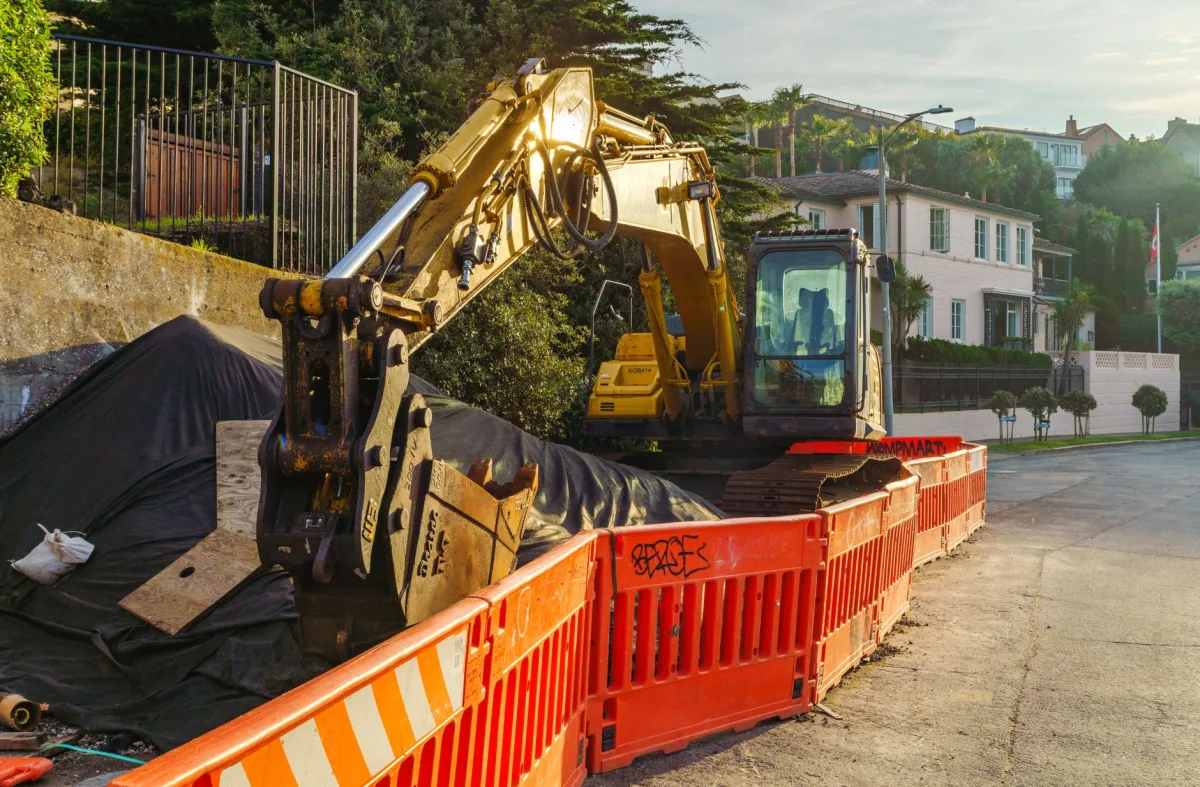
This is the number that scares people, and honestly, it should command respect. But it’s also the rarest and most avoidable expense. A new drain field can run several thousand to $20,000 or more, and a complete new system, tank plus field plus permits, can reach $25,000 in tougher sites.
Why such a wide range? Soil type and perc-test results, system type (a simple conventional field versus a mound or aerobic unit), site access for equipment, permit and design fees, and your region all swing the total. A flat, sandy lot with easy access is worlds cheaper than a rocky slope needing an engineered mound.
The good news is that this tier is largely preventable. Systems fail from overloading, neglect, and abuse far more often than from simple old age. Our comparison of a new septic system cost versus drain field replacement breaks down exactly when you’re replacing everything and when you can get away with just the field, and the price gap between the two.
Warning: Skipping pumping is the most expensive “savings” there is
Every owner who skips pumping to save $400 is gambling against a $15,000 drain field. Solids that should have been removed flow out to the field, clog the soil, and choke off its ability to drain. Once a field is clogged this way, no pumping or additive brings it back; it has to be replaced. The math is brutal: years of skipped pumpings rarely add up to even a fraction of one replacement. Treat routine pumping as the cheapest insurance you’ll ever buy.
A Worked Example: My 20-Year Cost Picture
To make the tiers concrete, here’s roughly how the money has flowed on my own 1,000-gallon system, projected over a realistic 20-year window. Your numbers will differ, but the shape is what matters.
On a four-year pumping cycle at about $400 a visit, that’s five pumpings over 20 years, roughly $2,000. Add a basic inspection folded into most of those visits and a couple of standalone checks, call it another $600. Over two decades I’ve also replaced one effluent filter (around $150 with labor) and expect a baffle repair somewhere in there, maybe $350. That’s under $3,100 total for two decades of a healthy system, or about $155 a year.
Now compare that to the alternative. Had I skipped pumping and let the field clog, a replacement in that same window could easily have run $12,000 to $20,000, four to six times my entire 20-year maintenance spend, in a single bill. That contrast is the whole argument for routine care. For a real-world, itemized version of actual repairs, see what my septic repairs actually cost me.
How to Plan and Control the Costs
You don’t need a spreadsheet degree to stay ahead of septic costs. A handful of habits keeps the numbers predictable and the surprises small. Here’s the order I’d tackle them in.
- Set aside a small monthly amount. Even $15–$25 a month builds the pumping fund and a repair cushion before you ever need them. Our guide to budgeting for septic maintenance lays out a simple set-aside plan.
- Stick to your pumping schedule. Every three to five years for most households; mark it on the calendar so it never slips into “someday.”
- Get more than one quote for any real repair. Prices vary widely, and the cheapest bid isn’t always the best. Learn to read line items in our guide to getting and comparing septic repair quotes.
- Cut costs without cutting corners. There are legitimate savings and there are false economies that backfire; our piece on saving money on septic care sorts the two.
- Know your backup options for a big bill. Loans, grants, and assistance programs exist; see septic financing and assistance options before a replacement forces a rushed decision.
Run these five and the scariest tier stays hypothetical for most owners.
Frequently Asked Questions
Quick ballpark answers to the septic cost questions owners search most.
How much does a septic system cost to maintain per year?
For most households, plan on roughly $150 to $250 a year. That covers spreading a $300–$600 pumping across its three-to-five-year cycle, plus occasional inspection. Setting aside about $15–$25 a month builds that fund painlessly. Actual costs vary with tank size, household size, and local rates, but routine septic care is genuinely inexpensive compared to repairs.
Why is replacing a drain field so expensive?
A new drain field can run several thousand to $20,000 or more because it involves soil testing, permits, engineering, excavation, and sometimes a specialized system like a mound. Site conditions drive the range: poor soil, tight access, or a sloped lot all raise the price. It’s expensive precisely because it’s a major earthwork project, which is why preventing failure through pumping matters so much.
Is pumping really cheaper than skipping it?
By a wide margin. A pumping costs a few hundred dollars, while the drain field failure that neglect causes can cost tens of thousands. Skipped pumpings let solids flow into and clog the field, which then can’t be restored, only replaced. Years of avoided pumping rarely add up to even a fraction of one replacement, so pumping is the cheapest insurance available.
What makes one septic quote higher than another?
Tank size, how easy the tank is to reach, whether lids must be dug up, disposal fees, local labor rates, and the scope of work all move the number. A quote that seems high may include steps a cheaper one skips. Always compare line items rather than just the bottom-line total, and get more than one bid for any significant repair.
Are there programs to help pay for a septic replacement?
Yes. Depending on your state and county, low-interest loans, grants, and assistance programs can offset a large septic bill, particularly for repairs tied to health or environmental concerns. Options change by location, so check with your local health department and state resources. Knowing what’s available before an emergency helps you avoid a rushed, costlier decision.
Should I repair or replace an aging septic system?
It depends on the age, the failing part, and how often repairs are stacking up. A single fix on an otherwise healthy system usually makes sense; repeated repairs on a system near the end of its life may throw good money after bad. Run the long-term math, comparing total expected repair costs against a replacement, before deciding.
The Bottom Line
Septic costs feel scary only because they’re invisible until they aren’t. Sort them into routine, repair, and replacement and the picture gets manageable fast: spend a little every year on pumping and inspection, handle repairs promptly, and you’ll almost certainly never meet the replacement tier. The EPA’s SepticSmart program makes the same case, that inexpensive routine care is what keeps the big bills away. When you’re ready to price out any single expense, browse our full septic costs library for the deep dives on pumping, inspection, repairs, and financing.