

Most septic owners can point to their tank, but ask where the drain field is and you get a shrug and a vague wave toward the yard. That’s a problem, because the drain field, also called the leach field, is the part most likely to fail and by far the costliest to replace. On my own property it’s the piece I baby the most, because I know a new one could cost more than a used car. This guide is the whole picture: how a drain field works, what quietly wears it out, the early warning signs, and the everyday choices that decide whether yours lasts 15 years or 40.
Key Takeaways
- The drain field is the final treatment stage, where soil filters the liquid leaving your tank; it’s the costliest part to replace, often several thousand to $20,000 or more.
- Its number-one enemy is too much water and too much sludge, so regular pumping and water conservation directly protect it.
- Keep vehicles, livestock, structures, and deep-rooted trees off the field; compaction and roots are field-killers.
- Early warning signs include soggy ground, lush green stripes, slow drains, and sewage odor over the field.
- A well-treated conventional field typically lasts 20 to 30 years; neglect can cut that in half.
What a Drain Field Actually Does
Your septic tank isn’t the end of the line, it’s the first stage. Inside the tank, solids settle to the bottom as sludge and grease floats to the top as scum. The clearer liquid in the middle, called effluent, flows out to the drain field for the real cleanup.
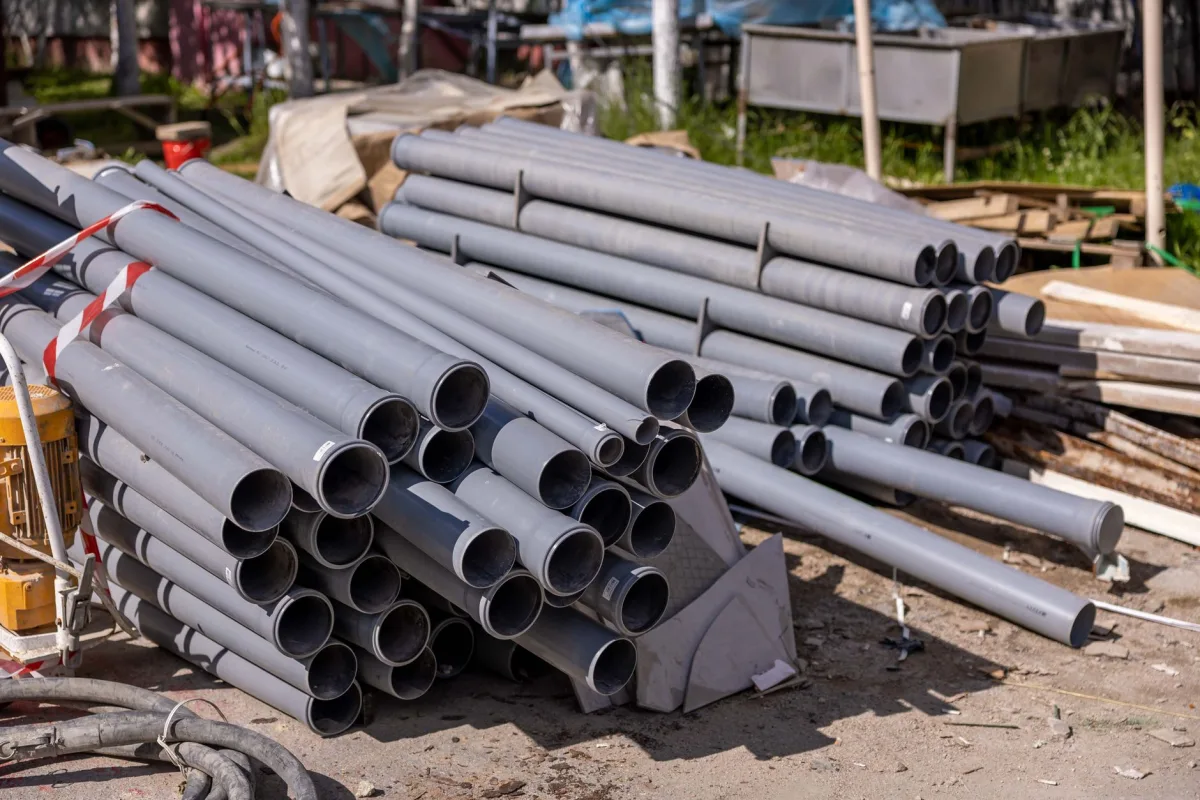
The drain field is a network of perforated pipes laid in gravel-filled trenches (or plastic chambers) a couple of feet below your yard. Effluent trickles out through the holes and seeps down into the soil, which is the actual treatment plant. As the liquid moves through it, natural bacteria and filtering remove pathogens and nutrients before the water rejoins the groundwater.
If you want the ground-level primer first, our companion piece on what a leach field is and how it works covers the same idea in plain English. The key mental model: the tank separates, but the soil cleans. Protect the soil’s ability to absorb and treat, and you protect the whole system.
Why the soil matters more than the pipes
People assume the pipes do the work, but they’re just distribution; the soil does the treating and absorbing. When a field fails, it’s almost never the pipes that give out. It’s the soil, either clogged with a biological mat of solids or so compacted and saturated that water can’t move through it.
What Wears Out a Drain Field
A drain field doesn’t usually die overnight. It’s worn down by a handful of pressures, most tied to how the household above it lives. Understanding the causes is what lets you head them off.
Solids escaping the tank
This is the big one. If your tank isn’t pumped on schedule, sludge and scum build until solids wash out with the effluent. Those solids clog the tiny pores in the soil, forming a dense layer called a biomat. A thin biomat is normal, even helpful, but when it thickens past what the soil can handle, water stops soaking in. That’s the single most common way owners kill their own field, and it’s completely preventable.
Hydraulic overload
The field can only absorb so much water per day. Push more through it, from running toilets, marathon laundry days, or a leaky fixture, and the trenches stay flooded with no time to recover between doses. Chronic overload keeps the soil saturated, starves it of oxygen, and pushes effluent toward the surface. Reducing indoor water use is one of the highest-payoff habits an owner has.
Compaction and physical damage
Soil needs air pockets to breathe and drain. Drive a truck across the field, park a trailer on it, or build a shed over it, and you crush those pockets. Compacted soil can’t absorb effluent, and the weight can crack the shallow pipes. This kind of damage stays invisible until the field starts backing up.
Roots and wrong landscaping
Trees and shrubs sense moisture and nutrients, and a drain field is a buffet. Aggressive roots invade and clog pipes over years. Grass is the ideal cover; deep-rooted trees are a slow-motion hazard. Our list of the best plants to grow over a septic drain field covers the safe, shallow-rooted choices.
| Stressor | How it damages the field | Your best defense |
|---|---|---|
| Skipped pumping | Solids escape and clog soil pores (biomat) | Pump every 3–5 years |
| Too much water | Trenches stay flooded, soil can’t recover | Fix leaks, spread out laundry |
| Vehicles & heavy loads | Compact soil, crack pipes | Keep all traffic off the field |
| Trees & shrubs | Roots invade and block pipes | Plant only grass over the field |
| Non-degradables & grease | Add to sludge, speed clogging | Watch what goes down the drain |
| The most common drain field stressors and the simple habits that counter each one. | ||
Early Warning Signs of a Struggling Field
A failing drain field rarely goes from fine to flooded in a day. It sends signals for months, and reading them early is the difference between a manageable fix and a full replacement. Walk your field now and then and watch for these.
- Soggy or spongy ground over the field, especially when it hasn’t rained.
- Bright green, fast-growing grass in stripes that trace the trench lines, fed by surfacing effluent.
- Standing water or a wet sheen pooling above the trenches.
- Slow drains and gurgling throughout the house that don’t clear with normal fixes.
- Sewage odor lingering in the yard near the field.
- Backups in the lowest drains, the last and most serious stage.
None of these should be shrugged off. For the full breakdown of what each symptom means, see our guide to the signs of drain field failure to watch for. Catching trouble at the soggy-grass stage often keeps a restoration attempt on the table; waiting for backups usually means replacement.
Warning: Surfacing effluent is a health hazard
If untreated effluent is pooling on your lawn, treat it as a health risk, not just a repair to schedule. It can carry bacteria and pathogens. Keep children and pets away from the wet area, don’t mow through standing water, and wash up after any contact. Then call a septic professional promptly rather than waiting to see if it dries out on its own.
How to Protect Your Drain Field
Protecting the field is the cheapest insurance in septic ownership. Nearly every step is free or low-cost, and together they can add a decade or more to your most expensive component. Here’s the routine I follow.
- Pump the tank on schedule. Every three to five years for a typical household is the surest way to keep solids from ever reaching the field. This one habit prevents the most common failure.
- Keep everything off the field. No parking, no driving, no trailers, no livestock, no sheds or patios. Mark the boundaries if you have to so nobody wanders across it with a vehicle.
- Manage your water. Fix running toilets and drips fast, install low-flow fixtures, and spread laundry across the week instead of doing six loads on Saturday.
- Divert surface water away. Point roof gutters, downspouts, and sump-pump discharge away from the field. Extra rainwater soaking the soil leaves no capacity for effluent.
- Plant only grass. Grass over the field is perfect. Keep trees and deep-rooted shrubs well clear so roots never find the pipes.
- Watch what goes down the drain. Grease, wipes, and harsh chemicals all end up burdening the tank and field. When in doubt, keep it out.
For the deep-dive version, our step-by-step guide on how to protect your drain field expands each point, and the flip side, the things you should never do to a drain field, covers the don’ts.
Tip: Map your field once and never guess again
Pull your county’s septic permit (often on file with the local health department) and sketch the exact trench layout onto a simple yard map. Mark it with the tank location and note the pumping date each time. On my property, that one laminated sheet in the garage has stopped a firewood delivery from being dumped on the field and told a visiting contractor exactly where not to park. Ten minutes of mapping prevents thousands in accidental damage.
When the Field Is Already in Trouble
Sometimes you inherit a tired field, or catch the warning signs late. The good news is that not every struggling field is a lost cause. The realistic path depends on how far gone it is.
Restoration first, when it’s an option
If the problem is a clogged biomat and the field was overloaded rather than physically destroyed, resting it can help: pump the tank, drastically cut water use, and give the soil weeks or months to dry out and let the biomat break down. Some pros offer aeration or jetting. Our guide on how to restore a failing drain field covers what can genuinely be revived and what can’t.
Repair versus replace
When restoration won’t cut it, you’re weighing a partial repair against a full replacement. Replacement is the big number, frequently several thousand dollars and sometimes north of $20,000 depending on soil, size, and permits. Our comparison of repair versus replace options for a bad drain field lays out the trade-offs so you can get informed quotes.
Whatever the route, this is professional territory. A licensed septic contractor or your county health department should evaluate a failing field, because guessing wrong is expensive.
How Long a Drain Field Should Last
Lifespan is the question every owner asks, and the honest answer is “it depends,” but the ranges are useful. A conventional gravel-and-pipe field that’s properly sized, sits in good soil, and gets treated well commonly lasts 20 to 30 years, and I’ve seen carefully maintained ones push past that. A neglected or overloaded field can fail in 10 to 15 years or less.
The variables that decide where you land are the same stressors from earlier: pumping discipline, daily water load, soil type, compaction, roots, and how big the field was built relative to the household. Soil matters a lot; sandy loam drains beautifully, heavy clay struggles. For the full picture, see what really affects drain field longevity.
The reassuring takeaway: lifespan is largely in your hands. The EPA’s SepticSmart program frames it simply, an inspected, pumped, protected system lasts far longer than a forgotten one. Two households with identical fields can see a 15-year gap based purely on habits.
A Worked Example: Two Fields, Two Fates
Here’s how the math plays out. Picture two neighbors with the same conventional 1,000-square-foot field, installed the same year in similar soil.
Neighbor A pumps every four years (about $400 a visit), fixes a running toilet the week it starts, keeps the truck off the field, and grows only grass. Over 25 years, they spend roughly $2,500 on pumping and the field still works. Neighbor B skips pumping for a decade, parks a boat trailer on the trenches each winter, and lets a willow grow at the edge. Solids clog the soil, compaction cracks a line, roots finish the job, and at year 13 the field fails and needs replacing, a $15,000 hit plus a torn-up yard.
Same starting point, wildly different outcomes. The gap wasn’t luck; it was a few hundred dollars of pumping and a handful of free habits. That’s the whole argument for treating the drain field as something you actively protect, not something you forget until it fails.
Frequently Asked Questions
Quick answers to the drain field questions homeowners search most.
What is the difference between a septic tank and a drain field?
The tank is the first stage, where solids settle and separate from the liquid. The drain field is the final stage, where the liquid (effluent) flows into perforated pipes and soaks into the soil, which filters and treats it. The tank separates waste; the drain field and its soil do the actual cleanup before the water rejoins groundwater.
How long does a septic drain field last?
A well-maintained conventional drain field typically lasts 20 to 30 years, sometimes longer. Lifespan depends on pumping habits, daily water use, soil type, and whether the field was protected from compaction and roots. A neglected field can fail in 10 to 15 years, so routine care makes a large, direct difference.
Can you drive or park on a septic drain field?
No. Vehicles, trailers, and other heavy loads compact the soil, which destroys its ability to absorb effluent, and the weight can crack the shallow pipes below. Keep all traffic off the field, including cars, RVs, and heavy equipment. If you need to mark the boundaries so guests and contractors avoid it, do so.
What are the first signs a drain field is failing?
The earliest signs are usually soggy or spongy ground over the field, unusually bright green grass in stripes tracing the trenches, and slow drains throughout the house. Later signs include standing water, sewage odor in the yard, and backups. Catching it at the soggy-ground stage gives you the best shot at restoration instead of replacement.
How much does it cost to replace a drain field?
Replacement is the priciest septic repair, commonly several thousand dollars and sometimes $20,000 or more. The cost varies with field size, soil conditions, local permits, and site access. Because it’s so expensive, protecting the field with regular pumping and water conservation is far cheaper than replacing it, get local quotes if a replacement is on the table.
Can a failing drain field be fixed without replacing it?
Sometimes. If the field is clogged from overload rather than physically damaged, resting it, pumping the tank, and slashing water use can let the soil recover. Some pros offer aeration or jetting. But if the soil is severely compacted or the biomat is beyond recovery, replacement is the only lasting fix. A professional evaluation tells you which case you’re in.
The Bottom Line
Your drain field is the quiet workhorse of your septic system and the one part you can’t afford to ignore. Remember the core logic: the soil does the treating, so keep solids and excess water out of it, keep weight and roots off it, and read the early warning signs before they become backups. Do that, and a 20-to-30-year field can stretch well past its expected life on habits that cost almost nothing. When you’re ready to keep going, browse our full drain field library for the deep dives on protection, restoration, planting, and lifespan.