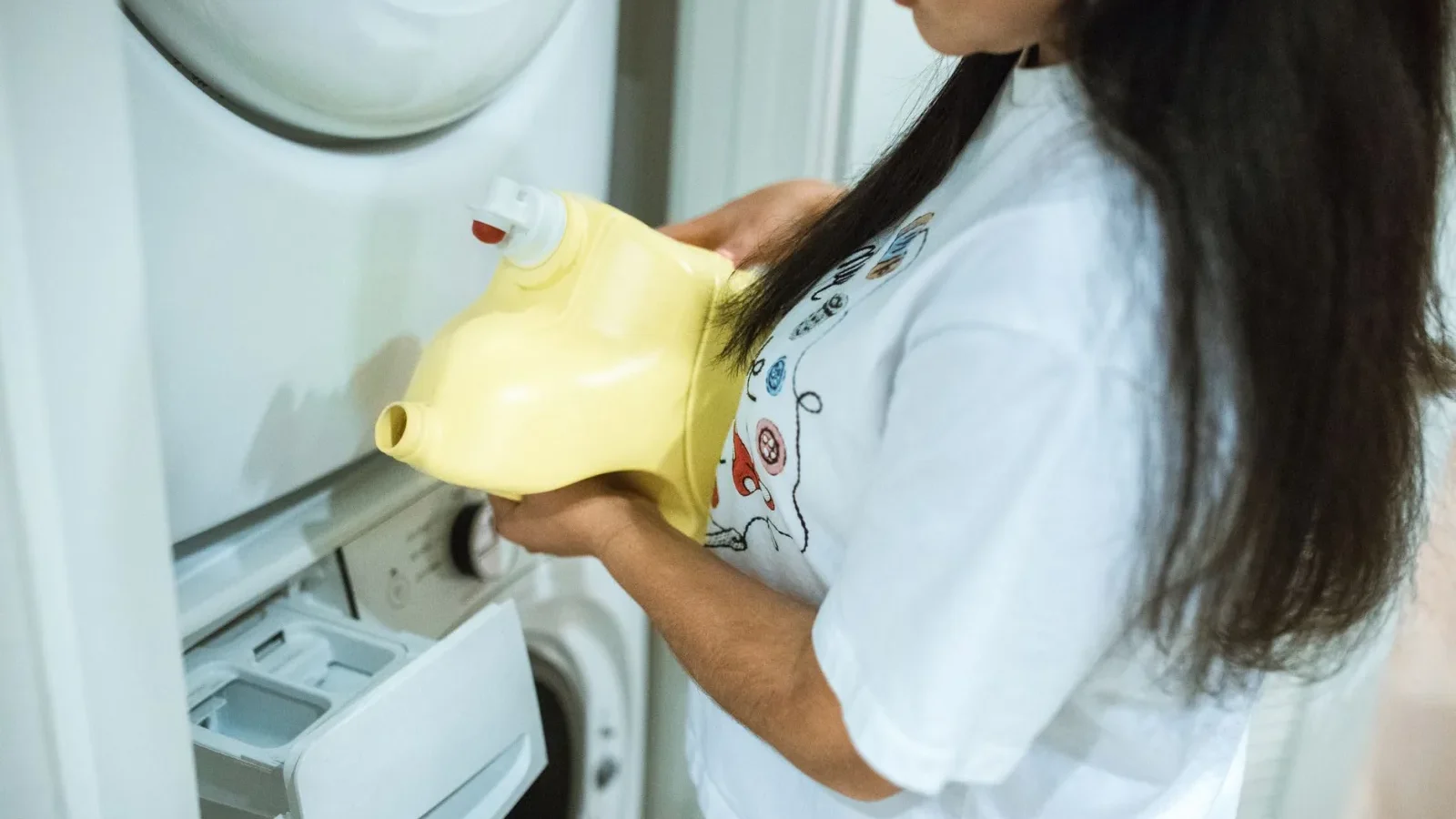
Laundry day feels harmless enough, but on a septic system it’s one of the biggest recurring loads your tank ever handles. The wrong detergent doesn’t just leave your clothes stiff; it can quietly smother the bacteria that keep your tank working and wash tiny clogging particles straight toward your drain field. After years of running my own household on septic, I’ve learned that the detergent aisle is where a lot of avoidable damage starts.
In this guide you’ll learn how detergent type and phosphate load actually affect your tank, how liquid, powder, and pods compare, and exactly what to reach for on your next shopping trip.
Key Takeaways
- Liquid and pod detergents are generally gentler on septic systems than powders, which can carry insoluble fillers.
- Choose low- or no-phosphate, low-surfactant formulas; the “septic-safe” label alone isn’t proof.
- Spread your wash loads across the week instead of doing five loads on one Saturday.
- Skip fabric softeners and bleach-heavy cycles when you can, and never chase clean with more product than the box recommends.
Why Laundry Detergent Matters to Your Septic Tank
Your septic tank runs on a living colony of bacteria. Those microbes break down solids so that only relatively clear liquid, called effluent, flows out to the drain field. Anything that harms that bacterial population or adds material the tank can’t digest works against you.
Detergent affects your system in three ways. First, harsh chemicals and antibacterial ingredients can reduce bacterial activity. Second, some detergents contain insoluble fillers that settle as sludge, filling your tank faster. Third, high water volume from back-to-back wash loads can flush solids into the drain field before they’ve had time to settle.
The U.S. EPA’s SepticSmart program encourages homeowners to be mindful of what goes down the drain and to spread water use out over time. Laundry is one of the easiest places to put that advice into practice.
The phosphate problem
Phosphates were once common in detergents because they soften water and boost cleaning power. The trouble is that phosphates act as a nutrient. When effluent carrying phosphates reaches your drain field and beyond, it can fuel algae growth in nearby streams and ponds. Many U.S. states have already restricted phosphates in laundry detergent, but they still show up in some products, so it pays to read the label.
The other quiet culprit is surfactants, the ingredients that lift dirt off fabric. They’re necessary, but the harsher and more concentrated they are, the more they stress the biological balance in your tank. Detergents built around gentler, biodegradable surfactants clean just as well for everyday loads while giving your tank’s bacteria an easier time.
Liquid vs Powder vs Pods: Which Is Best for Septic?
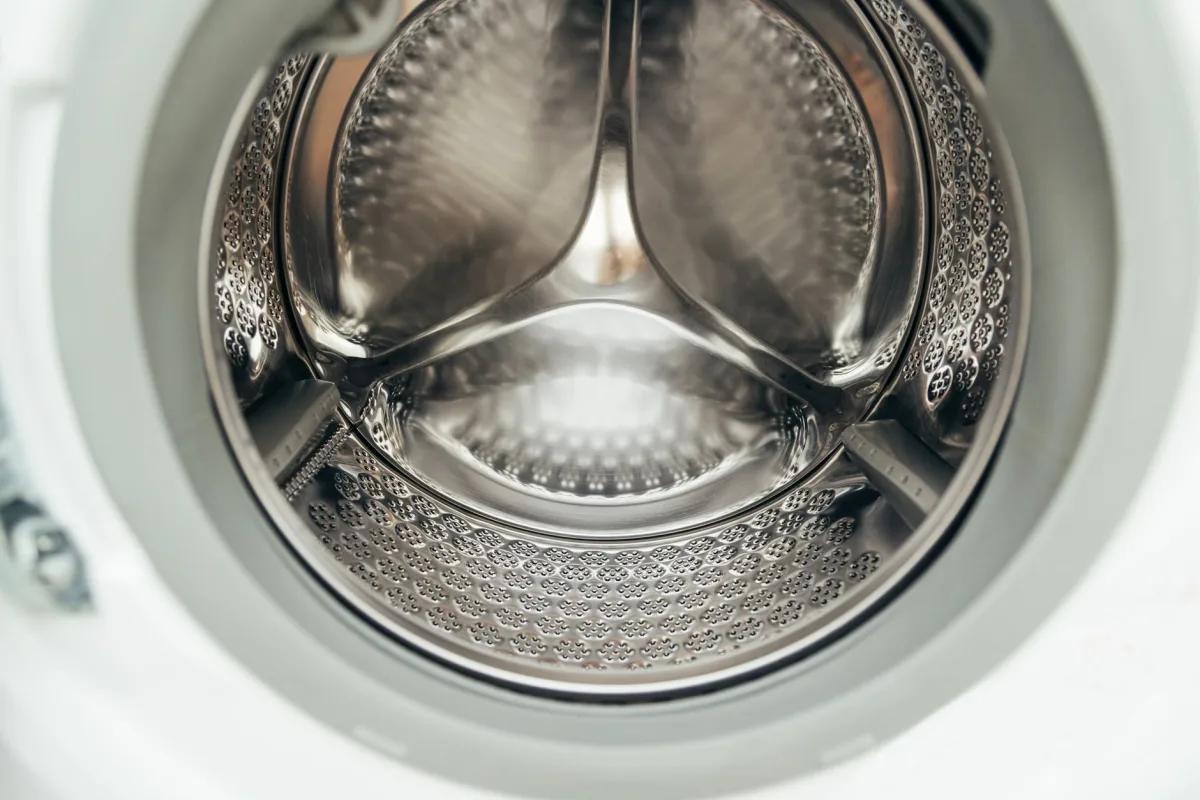
This is the question I get asked most, so let’s settle it. The short version: liquids and pods have a small edge over powders on a septic system, but formula matters more than form.
Powders sometimes use fillers or carriers such as sodium sulfate that don’t fully dissolve. Those solids sink and add to your sludge layer over time. Cheaper powders are the most likely offenders. Liquid detergents dissolve completely, so they leave less behind, and single-dose pods add the benefit of preventing overdosing since you physically can’t pour in extra.
| Detergent type | Septic impact | Best for |
|---|---|---|
| Liquid | Dissolves fully; low residue if low-surfactant | Most septic households |
| Pods / packs | Pre-measured; prevents overdosing | Owners who tend to pour heavy |
| Powder | Possible insoluble fillers add to sludge | Only if labeled low-filler/phosphate-free |
| Liquid detergent strips | Minimal filler; lightweight | Low-water, eco-focused homes |
My own take: I switched to a low-surfactant liquid years ago and never looked back. The clothes come out just as clean, and I stopped worrying about undissolved grit reaching the tank. If you love the convenience of pods, that’s a perfectly septic-friendly choice too.
What to Look For on the Label
The word “septic-safe” on the front of a box is marketing, not a certification. There’s no single government seal that guarantees it. So flip the product over and read the ingredients and claims yourself. If you want the deeper breakdown, our guide on what makes a product septic-safe walks through the label language in detail.
- Phosphate-free or low-phosphate, protects both your bacteria balance and local waterways.
- Low surfactant / biodegradable surfactants, surfactants are the cleaning agents; gentler ones break down more readily.
- No added antibacterial agents, you want the bacteria in your tank alive, not sterilized.
- Free of optical brighteners and heavy fragrances, these add non-biodegradable load with no cleaning benefit.
- Concentrated formula, less product per load usually means less material entering the tank.
Quick tip: dose by weight, not habit
Most people use two to three times more detergent than they need. Follow the fill line for your load size and water hardness. Using less protects your septic system, saves money, and actually rinses cleaner. When in doubt, use the smaller amount first.
How to Pick and Use a Septic-Safe Detergent (Step by Step)
Here’s the routine I recommend to anyone new to septic living. It takes one shopping trip to set up and then runs itself.
- Check your current detergent’s label for phosphates and antibacterial agents. If it has either, plan to switch when it runs out.
- Choose a phosphate-free liquid or pod detergent with a concentrated, low-surfactant formula.
- Measure to the recommended line for your load size; do not eyeball it or top it off.
- Skip fabric softeners and dryer-sheet residue rinses where you can, since they add non-degradable film.
- Spread laundry across the week, aiming for no more than two full loads on any single day.
- Run full loads rather than many small ones to reduce total water flushed into the tank.
A real-world example
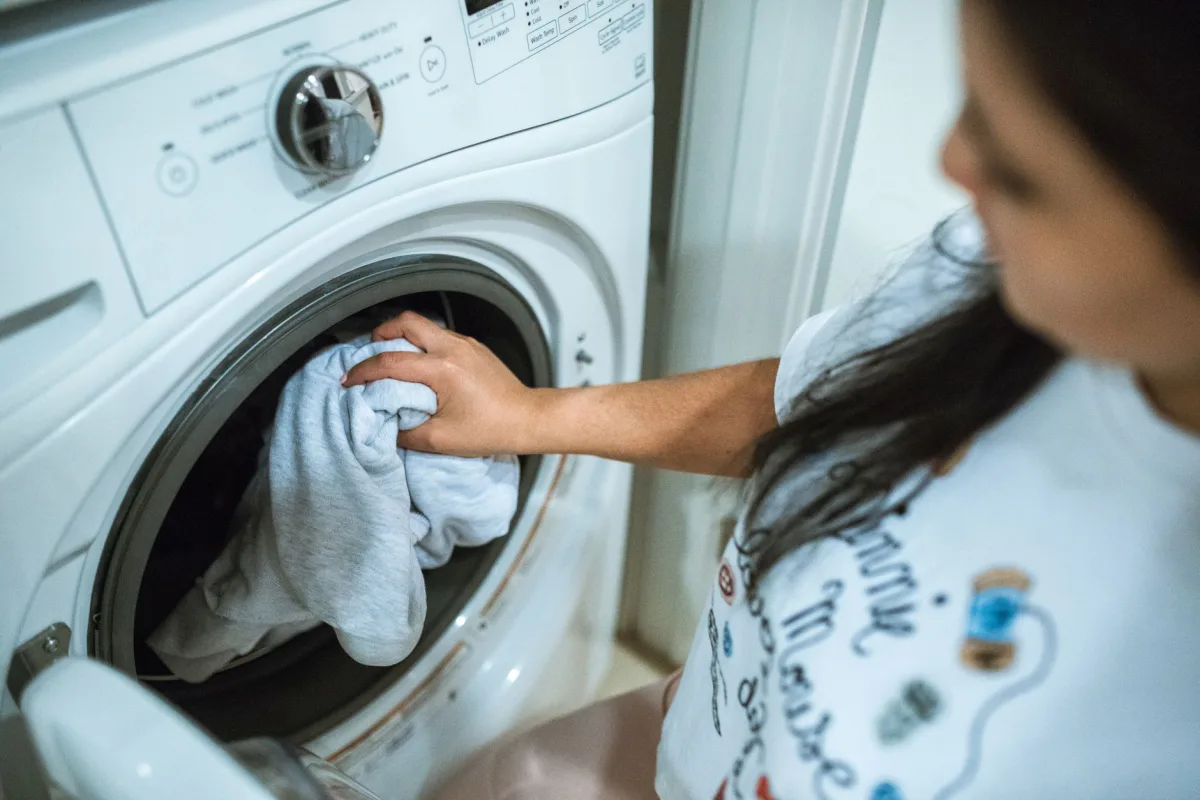
Say a family of four does eight loads of laundry a week. A standard washer uses roughly 15 to 30 gallons per load, so that’s up to 240 gallons in a week. Cram all eight loads into one weekend day and you might push 240 gallons through a 1,000-gallon tank in a few hours, stirring up settled solids. Spread those same eight loads across the week and the tank keeps its calm, letting solids settle where they belong. Same clothes, same detergent, far kinder to the system.
Products and Habits to Avoid
A few laundry habits do real harm over time. Chlorine bleach in heavy or frequent doses can knock back your tank’s bacteria, so use it sparingly and never dump concentrated bleach down the drain. A single splash in a wash cycle is diluted by many gallons of water and won’t hurt much, but a routine of heavily bleached loads adds up. Liquid fabric softeners leave a waxy film that doesn’t break down well, and dryer sheets carry the same coating. And avoid detergents marketed with strong antibacterial or “sanitizing” claims for everyday washing, since the whole point of your tank is to keep helpful bacteria thriving.
For a broader look at what belongs in a septic household cabinet, our roundup of septic-safe cleaning products that actually work covers detergents, dish soaps, and surface cleaners together. You can also browse the full septic products category for more buying guides.
Frequently Asked Questions
Is liquid or powder detergent better for a septic system?
Liquid detergent is usually the safer choice because it dissolves completely and leaves little residue. Some powders contain insoluble fillers that settle as sludge and fill your tank faster. If you prefer powder, pick one labeled phosphate-free and low-filler, and stick to the recommended dose.
Does septic-safe detergent really make a difference?
Yes, over the long run. A gentle, phosphate-free, low-surfactant detergent protects the bacteria that break down waste in your tank and reduces material heading to the drain field. It won’t fix an already-failing system, but it helps your septic run smoothly and last longer.
How much laundry can I do on a septic system in one day?
There’s no hard limit, but spreading loads out is much easier on your tank. Try to keep it to one or two full loads per day rather than doing a week’s worth at once. Heavy same-day water use can push solids into the drain field before they settle.
Are laundry pods safe for septic tanks?
Pods are generally septic-friendly. They dissolve fully and prevent overdosing since each pack is pre-measured. Just choose a phosphate-free brand and use one pod per normal load. For very large or heavily soiled loads, follow the package guidance rather than adding extra.
Can too much detergent damage my septic system?
Overdosing adds unnecessary chemicals and residue to your tank without cleaning any better. It can leave film in the system and reduce rinse quality. Measure to the fill line for your load size and water hardness. Using less protects your septic system and saves you money.
Conclusion
Picking a septic-safe laundry detergent comes down to three simple moves: choose a phosphate-free, low-surfactant liquid or pod, measure the right dose, and spread your loads across the week. None of it costs more than what you’re doing now, and all of it adds years of easy operation to your tank. When you’re ready to round out the rest of your cabinet, take a look at our complete septic-safe products buyer’s guide for the same honest, plain-English verdicts on everything else you buy.