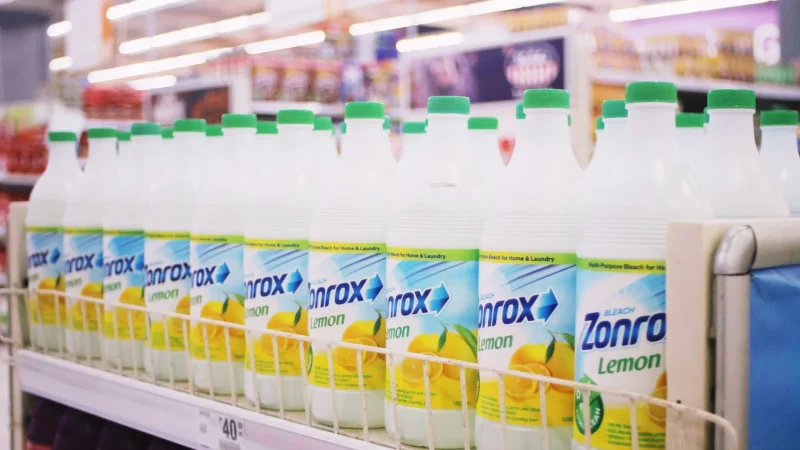

Somewhere in a garage right now, there’s a bottle of septic treatment bought with the quiet hope that it means never calling the pump truck again. I get the appeal. Pumping costs money and takes an afternoon; a $15 bottle you pour down the toilet feels like the easy button. I’ve run my own conventional septic system for over a decade, and I’ve poured a few of those bottles myself before I learned better. In this article you’ll learn what additives actually do, what pumping actually does, whether one can stand in for the other, and how to spend your money where it counts.
Key Takeaways
- Additives and pumping do two different jobs; one cannot replace the other.
- No additive removes the inorganic sludge and scum that force a pump-out.
- The EPA and most state health departments recommend pumping every 3 to 5 years regardless of additives.
- A pump-out typically runs $300 to $600; skipping it risks a drain field bill of $5,000 to $20,000+.
- Your tank already grows the bacteria it needs for free, every single day.
The honest short answer is that this isn’t really a fair fight, because the two things aren’t trying to do the same job. Let me show you why.
What Pumping Actually Does
Everything that leaves your house drains into the tank, where it separates into three layers. Grease and light material float to the top as scum. Wastewater sits in the middle and flows out to the drain field. And the heavy solids sink to the bottom as sludge.
Here’s the part the additive labels don’t want you thinking about: a big share of that sludge is inorganic. Sand, grit, undigested fiber, and other material that simply will not break down no matter what you pour in. Bacteria can digest food waste and toilet paper, but they can’t eat sand. Over time this material builds up, and pumping is the only way to physically remove it. A vacuum truck sucks it out, and the layers reset.
When you skip pumping, the sludge and scum layers keep growing until they crowd the middle zone. Solids then get pushed out toward the drain field, where they clog the soil. That is the failure that costs real money.

What Additives Actually Do
Septic additives come in two broad flavors: biological products packed with bacteria or enzymes, and chemical products. The biological ones claim to boost the microbes that digest waste. We break down that chemistry in detail in our guide to enzyme versus bacterial septic treatments, but the short version matters here.
Even in the best case, additives only affect the organic, digestible portion of the waste. They may help break down some solids a little faster. What they cannot do is remove the inorganic material that makes up a large part of the sludge. That layer keeps building regardless of how many billions of bacteria you add.
There’s a second problem. A healthy tank already teems with the right bacteria, seeded fresh every day from ordinary household waste. In most cases you’re paying to add something you already have in abundance. That’s why the US EPA SepticSmart program and most university extensions say a normal, functioning system doesn’t need additives at all.
A caution worth repeating
Some chemical additives promise to “open up” a clogged drain field. A few contain harsh solvents or degreasers that can actually harm your system by killing beneficial bacteria or letting scum flow out to the soil. If a product promises to unclog a field, be skeptical, and never treat it as a substitute for a professional evaluation.
Additives vs Pumping: The Head-to-Head
When you line them up side by side, the comparison stops being a contest. They’re solving different problems. Here’s the breakdown I wish I’d seen before I bought my first bottle.
| Factor | Septic Additives | Regular Pumping |
|---|---|---|
| Main job | Boost bacteria that digest organic waste | Physically remove sludge and scum |
| Removes inorganic solids? | No | Yes |
| Protects the drain field? | Not reliably | Yes, the main benefit |
| Typical cost | ~$10 to $40 per month | ~$300 to $600 every 3 to 5 years |
| Recommended by EPA? | Not for normal systems | Yes |
| Can replace the other? | No | N/A, it’s the essential task |
Notice the row that settles it: additives don’t remove inorganic solids, and pumping does. Since that buildup is exactly what threatens your drain field, no product can take pumping’s place. At best, an additive is a small helper; at worst, it’s money spent to feel like you’re doing something.

A Real Cost Example From My Own System
Let me put actual numbers to it, because the math is what changed my mind. I have a 1,000-gallon tank and a household of four, so I pump about every three years. My last pump-out cost $420.
Now imagine I’d tried to skip pumping and lean on additives instead. A typical monthly treatment runs around $20, so over three years that’s roughly $720 in bottles. I’d have spent more than the pump-out and still had a tank full of inorganic sludge. And if that neglect had pushed solids into my drain field, the repair estimates I’ve seen locally start around $8,000 and climb well past $20,000 for a full replacement.
Put simply: I could spend $420 every three years and sleep fine, or spend $720 on additives over the same period and gamble a five-figure repair. That’s not a close call.
Where to actually spend your money
Skip the monthly additive habit and put that budget toward pumping on schedule, an effluent filter to protect your drain field, and septic-safe household products. Those three do far more for your system’s lifespan than any bottle you pour down the toilet.
When an Additive Might Make Sense
To be fair, there are narrow cases where a bacterial product isn’t crazy. This isn’t a blanket “never buy one,” it’s a “know why you’re buying it.”
- After heavy antibiotic use. A long course of antibiotics passing through the house can temporarily knock down tank bacteria. A single bacterial dose may help reseed it.
- After a bleach-heavy cleaning binge. Same idea, if you’ve dumped a lot of harsh cleaners, a one-time reseed doesn’t hurt.
- A vacation or seasonal home. A tank that sits unused for months loses some biological activity, so a restart dose can be reasonable.
In every one of those cases, the additive is a one-time reset, not a monthly subscription, and it never changes your pumping schedule. If any product ever claims it lets you skip pumping, that’s your signal to walk away. For more of these over-promised claims, see our roundup on whether septic product claims hold up.
How to Set the Right Pumping Schedule
Since pumping is the non-negotiable part, here’s how to figure out your interval so you’re not guessing.
- Find your tank size in your home’s records, on the permit, or from a septic pro. Common sizes are 1,000 to 1,500 gallons.
- Count the people in your household. More people means more waste and faster sludge buildup.
- Use the general rule of thumb: most households land in the 3-to-5-year range, with bigger families and smaller tanks at the shorter end.
- Have the tank inspected at the interval you picked. A pro measures the sludge and scum layers to confirm it’s actually time.
- Write down every service date so the schedule sets itself over time.
For the full walkthrough of every product category and where each one belongs, our complete septic-safe products buyer’s guide puts additives, filters, and cleaners in context, and you can browse everything in the Products section.
Frequently Asked Questions
Can septic additives replace pumping?
No. Additives may help break down some organic waste, but they cannot remove the inorganic sludge and scum that build up in the tank. Only pumping physically removes that material. The EPA and most state health departments recommend pumping every three to five years no matter what additives you use.
Do additives reduce how often I need to pump?
Not reliably. Because additives don’t touch the inorganic solids that drive most sludge buildup, they don’t meaningfully stretch your pumping interval. Your tank size and household size set that schedule far more than any product. Plan to pump on your normal timeline regardless.
Does a septic tank need bacteria added to it?
Usually not. A healthy tank is restocked with the right bacteria every day through normal household waste. Unless you’ve recently used heavy antibiotics or dumped harsh cleaners, your system already has all the microbes it needs, and adding more won’t improve treatment.
Are any septic additives harmful?
Some can be. Certain chemical additives contain solvents or degreasers that kill beneficial bacteria or flush scum into the drain field, where it clogs the soil. Products that promise to unclog a failing field are especially risky. If you buy anything, choose a simple bacterial product, and never use one as a fix for a system problem.
How much does septic pumping cost compared to additives?
A pump-out typically runs $300 to $600 every three to five years. Monthly additives at around $10 to $40 can quietly cost more over the same period while doing far less. Worse, skipping pumping in favor of bottles risks a drain field repair that can run several thousand to over $20,000.
Conclusion
Additives and pumping aren’t rivals, they’re not even in the same weight class. Pumping physically removes the sludge that threatens your drain field, and nothing you pour down the toilet can do that. An additive might be a reasonable one-time reset after antibiotics or a long vacancy, but as a monthly habit it mostly drains your wallet. Put your money toward pumping on schedule and a few smart upgrades, and your system will thank you for decades. When you’re ready to sort the products worth buying from the ones to skip, our septic-safe products buyer’s guide is a calm place to start.