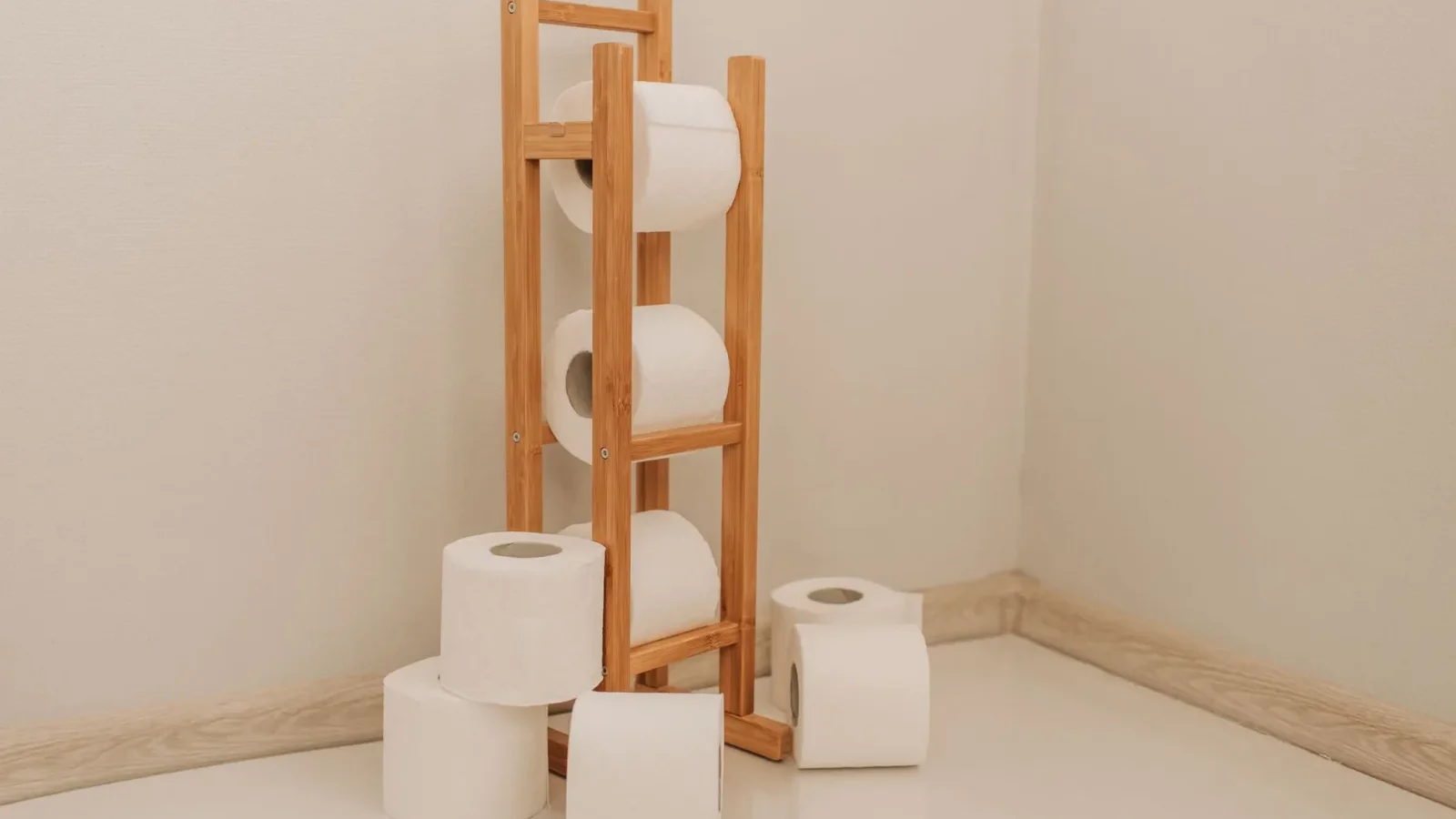
Toilet paper is the one thing every single person in your house sends down the drain every day, so if any product deserves a second look on a septic system, it’s this one. I’ve owned a septic system for over a decade, and after a slow-draining scare early on I started paying real attention to which rolls break down and which ones just sit in the tank like wet paper towels. The good news is you don’t have to overthink it or spend a fortune. Most everyday brands are fine, a few are genuinely better, and only a couple are worth avoiding outright.
In this guide you’ll learn what actually makes toilet paper septic-safe, nine solid options grouped by how fast they break down and what they cost, a simple at-home dissolve test, and which types to skip.
Key Takeaways
- The single most important trait is how fast the paper breaks apart in water, not the brand name or the price.
- Most standard 1-ply and 2-ply brands are septic-safe; the real offenders are ultra-thick, quilted, or “flushable” wipes.
- A 10-second jar test at home tells you more than any label claim about whether your paper dissolves.
- Expect to pay roughly $0.30 to $1.00 per 100 sheets; you do not need premium septic-branded paper to protect your tank.
- Recycled-content and 1-ply papers tend to disintegrate fastest, which is easiest on your system.
What actually makes toilet paper septic-safe
Inside your tank, bacteria break down organic waste while solids settle into a sludge layer that you pump out every few years. Toilet paper is designed to fall apart in water, so under normal use it disperses and either settles or gets pumped out with everything else. The problem starts when paper is so thick or so tightly bonded that it doesn’t break down fast enough, adding bulk to the sludge and, in the worst cases, contributing to clogs at the outlet or drain field.
So “septic-safe” really comes down to one question: does it disintegrate quickly in water? A few factors drive that answer, and understanding them lets you judge any roll on the shelf without trusting the marketing. If you want the wider view of which household products help or hurt your system, our complete buyer’s guide to septic-safe products covers everything from cleaners to alarms.
Ply and thickness
Single-ply paper breaks down fastest because there’s simply less material bonded together. Two-ply is still fine for the vast majority of systems. It’s the ultra-plush, three-ply, and quilted “luxury” papers that take the longest to disperse, because the extra layers and embossing are built to resist falling apart, which is the opposite of what your tank wants.
Recycled versus virgin fiber
Recycled toilet paper is made from shorter fibers, which generally means it breaks apart faster in water. That makes many recycled brands an easy win for septic owners, with the bonus of being gentler on forests. Virgin-fiber papers can still be perfectly fine; they just vary more, so the dissolve test matters.
The “septic-safe” label itself
A “septic-safe” stamp is a helpful hint, but it isn’t a regulated guarantee, and plenty of unlabeled everyday rolls perform just as well. Treat the label as one data point, not the final word. The dissolve test below is a better judge than any packaging claim, a theme we dig into in our look at whether septic product claims actually hold up.
9 best septic-safe toilet paper options, grouped by type
Rather than rank specific brands that change formulas year to year, I’ve grouped the nine options that consistently work well for septic owners into three practical tiers. Pick the tier that fits your priorities, then confirm your choice with the jar test.
Fastest-dissolving picks (best for the tank)
- Single-ply recycled paper. The gold standard for break-down speed. Thinner and made of short fibers, it disperses almost immediately. Best for anyone with an older system or a history of slow drains.
- Two-ply recycled paper. A middle ground that still dissolves fast but feels less thin than single-ply. This is what I use on my own system, and the tank has stayed happy through every inspection.
- RV and marine toilet paper. Engineered to break down in small holding tanks, so it’s excellent for septic. It costs a little more per sheet and can feel thin, but it’s rock-solid on dissolving.
Everyday value picks (good balance)
- Standard 2-ply national brands. The regular (non-plush) versions of the big-name papers are fine for most septic systems and easy on the wallet.
- Store-brand 2-ply. Warehouse and grocery house brands are often the best cost per sheet and typically break down as well as name brands.
- Bamboo toilet paper. A newer option that’s soft yet tends to disperse reasonably well. Prices are dropping, and it’s a decent pick if you want comfort without the plush-paper penalty.
Comfort-first picks (use with care)
- Soft 2-ply “septic-safe” labeled brands. A few plusher papers are formulated to still break down; test one before committing to a bulk pack.
- Unbleached soft rolls. Skipping heavy bleaching can help fibers separate; comfort is decent, break-down is acceptable.
- Lightly-textured 2-ply. Fine in moderation if the household is small; the texture slows dispersal slightly, so it sits at the bottom of the safe list.
| Type | Break-down speed | Comfort | Rough cost per 100 sheets |
|---|---|---|---|
| Single-ply recycled | Fastest | Basic | $0.30 to $0.50 |
| Two-ply recycled | Very fast | Good | $0.40 to $0.70 |
| RV / marine paper | Very fast | Thin | $0.60 to $1.00 |
| Standard 2-ply brand | Fast | Good | $0.35 to $0.70 |
| Bamboo 2-ply | Moderate to fast | Soft | $0.60 to $1.00 |
| Plush / quilted 3-ply | Slowest (avoid) | Softest | $0.70 to $1.20 |
Tip: compare by cost per sheet, not per roll
Brands play games with “double” and “mega” rolls that make price-per-roll meaningless. Divide the total price by the total sheet count printed on the package to compare fairly. A “cheap” 4-pack of small rolls often costs more per sheet than a big value pack.
How to test toilet paper for septic safety at home
You don’t need a lab. The jar test is the same rough method used to compare break-down for decades, and it takes about a minute. Do it once with any new paper and you’ll know exactly how it behaves in your tank.
- Fill a clear jar or glass about two-thirds with water. Room-temperature tap water is fine.
- Drop in four squares of the toilet paper you want to test. Don’t pack it down; let it float.
- Screw on the lid or cover the top with your hand, then shake firmly for about 10 seconds.
- Set the jar down and look. Paper that’s broken into small, cloudy pieces is septic-friendly.
- Compare brands side by side in matching jars. The one that turns to mush fastest is the kindest to your system.
When I ran this with two rolls from my own bathroom, the recycled 2-ply had scattered into flakes within one shake, while a plush 3-ply guest roll still held together in intact squares after three rounds of shaking. That’s the difference your tank feels every day. If your drains have been sluggish, a paper swap is one of the cheapest first things to try, and our guide to enzyme versus bacterial septic treatments covers what does and doesn’t help beyond that.
What to skip on a septic system
A few products cause far more trouble than the paper itself, and they’re worth calling out clearly.
- “Flushable” wipes. Despite the label, these barely break down and are a leading cause of clogs and backups. Toss them in the trash, never the toilet.
- Ultra-plush, quilted 3-ply. Built to resist falling apart, which is exactly wrong for a tank. Save it for a sewer-connected guest bath if you must.
- Scented and heavily-dyed paper. The added chemistry is minor for the tank but adds nothing useful; skip it and save money.
- Paper towels and tissues. These are engineered to stay strong when wet. They belong in the garbage, not the bowl.
Warning: “flushable” does not mean septic-safe
The word “flushable” only means an item will clear the toilet trap. It says nothing about breaking down in your tank. Wipes marketed as flushable routinely tangle at the outlet and drain field and are a top cause of avoidable service calls. When in doubt, it goes in the trash.
Does pricier toilet paper protect your tank better?
No, and this is where a lot of owners overspend. A premium price usually buys plushness and softness, which are the very traits that slow break-down. The best septic paper is often the cheaper, thinner, recycled roll. You do not need a paper labeled specifically for septic tanks to be safe; a plain recycled 2-ply that passes the jar test does the job for less.
Put it in context: a routine pump-out runs roughly $300 to $600, and a failed drain field can cost several thousand to well over $20,000 to replace. Toilet paper won’t single-handedly cause that, but pairing a fast-dissolving roll with sensible habits and regular pumping is a cheap way to keep those big bills far away. You can see the rest of the products worth your money in our products category.
Frequently Asked Questions
Is regular toilet paper safe for septic systems?
Yes, most standard 1-ply and 2-ply toilet papers are fine for septic systems. They’re designed to break down in water, which is exactly what your tank needs. The main exceptions are ultra-plush, quilted 3-ply papers and “flushable” wipes, which break down too slowly and can add to sludge or cause clogs.
What is the best toilet paper for a septic tank?
For break-down speed, single-ply or 2-ply recycled paper is hard to beat, since short recycled fibers disperse fast. RV and marine papers are also excellent. If you want more comfort, a standard 2-ply or bamboo roll that passes the jar test is a good balance of softness and septic safety.
Do I need to buy toilet paper labeled “septic-safe”?
Not necessarily. The label is a helpful hint but isn’t a regulated guarantee, and many unlabeled everyday rolls perform just as well or better. A quick jar test tells you more than any packaging claim. A plain recycled 2-ply that breaks apart fast will protect your tank for less money than a premium septic-branded roll.
Are flushable wipes okay for a septic system?
No. Despite the “flushable” label, wipes barely break down and are a leading cause of clogs and backups in septic systems. “Flushable” only means the wipe clears the toilet trap, not that it dissolves in your tank. Always throw wipes in the trash, even ones marketed as septic-safe.
How can I test if my toilet paper is septic-safe?
Use the jar test. Put four squares in a clear jar two-thirds full of water, cover it, and shake for about 10 seconds. Paper that breaks into small, cloudy flakes is septic-friendly; paper that stays in intact squares is not. Compare two brands side by side to see the difference clearly.
Conclusion
Choosing septic-safe toilet paper is refreshingly simple: favor thinner, recycled, or fast-dissolving rolls, skip the plush 3-ply and any “flushable” wipes, and run a quick jar test whenever you switch brands. You’ll protect your tank without paying premium prices. When you’re ready to round out the rest of your septic supplies, browse our septic-safe products buyer’s guide, and for trustworthy care basics the EPA’s SepticSmart program is a solid place to start.