You’re standing in the cleaning aisle, bottle in hand, squinting at a little green leaf and the words “septic safe.” Does that label actually mean anything, or is it just there to make you feel better about the price? It’s a fair question, because a lot of that wording is marketing, not regulation. I’ve cared for my own system for over a decade and learned to read past the front label. In this guide you’ll learn what “septic-safe” really means, which ingredients genuinely matter, and how to judge a product for yourself instead of trusting a leaf.
Key Takeaways
- “Septic-safe” is a marketing term, not a regulated certification, so the label alone doesn’t guarantee much.
- A truly septic-friendly product won’t kill your tank’s bacteria, won’t clog the drain field, and breaks down instead of building up.
- The three biggest things to avoid are heavy antibacterial agents, bleach and harsh chemicals in large amounts, and anything that won’t dissolve.
- Read the ingredient list, not the front of the bottle, look for biodegradable, phosphate-free, and low-VOC wording.
- Using regular products in moderation is often fine; it’s the volume and the harshest chemicals that cause trouble.
Let’s start with the label itself, because that’s where most of the confusion begins.
What “Septic-Safe” Actually Means
Here’s the part manufacturers don’t advertise: there is no single government agency that tests a product and stamps it “septic-safe.” Unlike terms such as “organic,” which has a legal definition, “septic-safe” is a claim a company can print on its own. That doesn’t make it meaningless, but it does mean you can’t switch off your judgment just because the label is there.
So what should the phrase describe? In practice, a genuinely septic-friendly product does three things. It doesn’t poison the living bacteria in your tank, it doesn’t send material into the drain field that clogs the soil, and it breaks down rather than piling up as extra solids. When a product manages all three, it earns the label. When it doesn’t, the leaf is just decoration.
Why your tank’s bacteria are the whole point
Your septic tank is a living system. Billions of bacteria break down the waste that flows in, turning solids into sludge and liquid that the drain field can handle. Anything that kills those bacteria in large amounts slows treatment and lets solids build up faster. That’s why “septic-safe” is really shorthand for “won’t harm the biology doing the work.” The U.S. EPA’s SepticSmart program puts the same idea plainly: keep harsh chemicals and non-degradable items out of the system so it can do its job.
The Three Things a Septic-Safe Product Avoids
If you remember nothing else from this article, remember these three categories. Almost every product that damages a septic system falls into one of them, and once you can spot them, the front label matters a lot less.
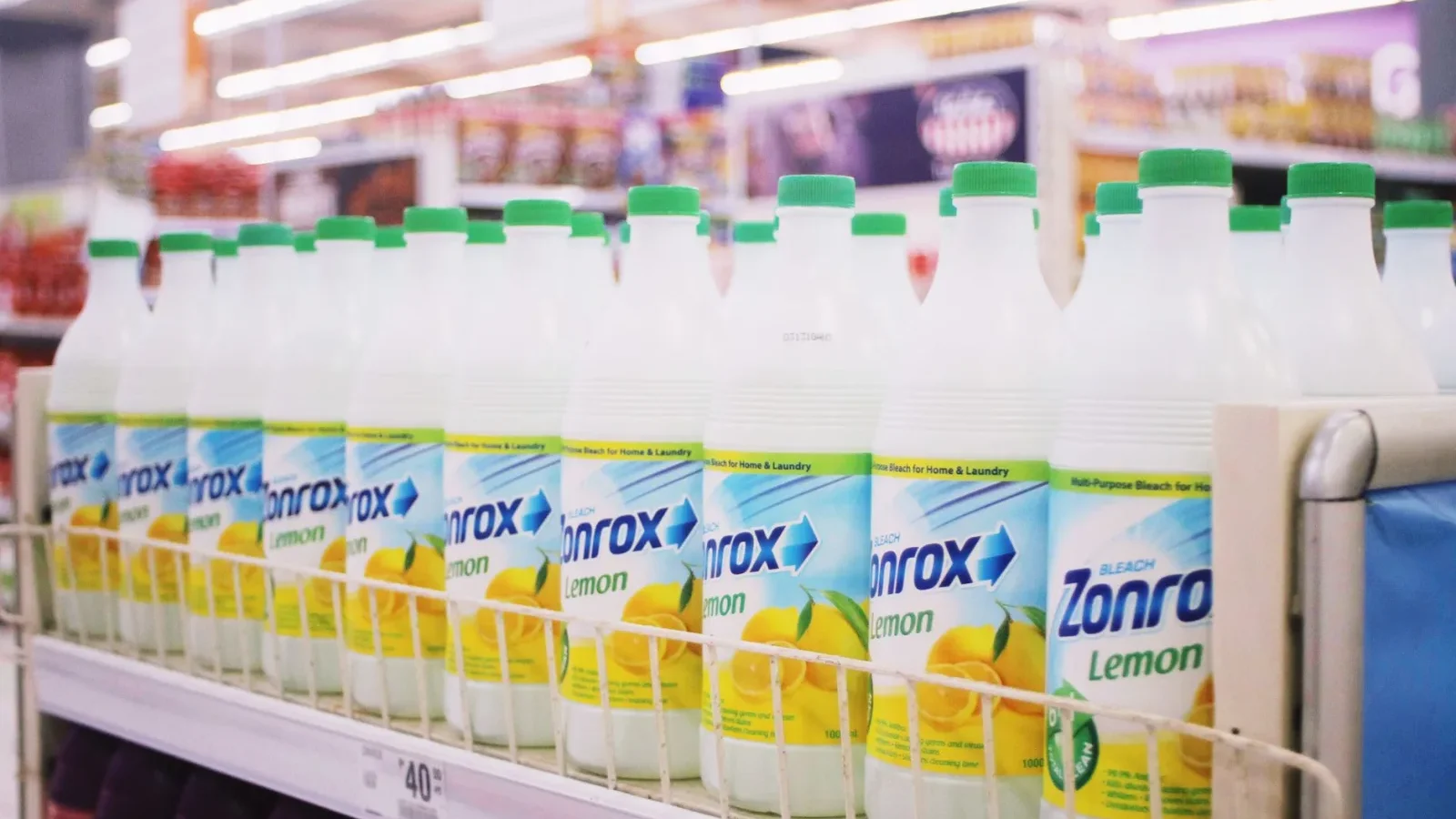
- Bacteria killers. Antibacterial soaps, heavy disinfectants, and large volumes of bleach can wipe out the microbes your tank depends on. A little bleach from a normal toilet cleaning won’t crash the system, but pouring it in daily will.
- Harsh chemicals. Solvents, strong drain openers, paint thinners, and degreasers can corrode components and pass through to your drain field. These are the true “never flush” offenders.
- Things that don’t break down. So-called flushable wipes, thick quilted toilet paper, cat litter, and grease don’t dissolve. They settle as solids and fill your tank faster, meaning more frequent, costlier pumping.
Notice that the first two are about chemistry and the third is about physical breakdown. A product can be gentle on your bacteria and still be a problem if it never dissolves. Both matter. For a deeper look at the physical offenders, our companion piece on the best septic-safe toilet paper options compared shows how much the dissolving speed of a single product can vary.
The mason-jar test for toilet paper
Want to know if your toilet paper is septic-friendly? Drop a few sheets into a jar of water, screw on the lid, and shake it for ten seconds. Paper that breaks into a cloudy pulp is easy on your tank. Paper that stays in stubborn sheets is a slow-building problem. I ran this test on three brands in my own kitchen and the difference was obvious.
How to Read the Label Like a Pro
Since the front of the bottle can’t be fully trusted, flip it over and read the ingredients and small-print claims. Certain words are reliable green flags, and a few are quiet red flags. Here’s a quick reference I keep in mind at the store.
| Look for (green flag) | Be cautious of (red flag) |
|---|---|
| Biodegradable | Antibacterial / disinfecting (in bulk use) |
| Phosphate-free | Contains chlorine bleach as a main ingredient |
| Plant-based or non-toxic surfactants | Petroleum solvents, quaternary ammonium |
| Low-VOC or fragrance-free | “Flushable” wipes and scrubs |
| Liquid rather than powder (dissolves fully) | Heavy powdered detergents with fillers |
Powdered laundry detergents deserve a special mention. Many use clay or other fillers that don’t dissolve and can build up in the tank. A liquid or single-dose detergent is usually the gentler choice. Cleaning products follow the same logic, which is why our roundup of septic-safe cleaning products that actually work leans toward plant-based liquids over heavy-duty disinfectants.
Does This Mean You Can’t Ever Use Bleach?
No, and this is where people over-correct. A septic system is more resilient than the scariest online advice suggests. The issue is almost always volume, not the occasional splash. Cleaning a toilet with a normal amount of bleach once a week is not going to crash your tank. Running bleach through a load of laundry now and then is fine.
The trouble starts when harsh chemicals become a habit or arrive in bulk, think a gallon of drain cleaner poured down at once, or antibacterial products used everywhere every single day. Moderation is the real rule. You don’t need to rebuild your entire household under the label of “septic-safe”; you need to avoid the extremes and spread out the load. For the bigger picture on what belongs in and around your system, the complete septic-safe products buyer’s guide pulls all the categories together.
A Simple Way to Vet Any Product
When you’re unsure about a bottle in your cart, run it through this quick mental checklist before you buy.
- Ignore the front, read the back. Skip the green leaf and scan the actual ingredients and directions.
- Ask, does it kill bacteria? If it’s marketed as antibacterial or disinfecting, plan to use it sparingly, not daily.
- Ask, will it dissolve? If it’s a wipe, powder, or something chunky, assume it won’t break down and keep it out of the drain.
- Check the volume you’ll use. A harsh product in tiny amounts is often fine; a mild one in huge amounts can still overload the tank.
- When in doubt, pick the gentler option. Biodegradable, phosphate-free, and liquid formulas are rarely the wrong call.
Here’s a real example of that checklist in action. Last spring I compared two all-purpose sprays on my own counter: a heavily marketed antibacterial one and a plant-based “septic-safe” bottle. The antibacterial spray listed a disinfecting agent as its lead ingredient, so I kept it for occasional use only. The plant-based one was biodegradable and fragrance-free, so it became my everyday spray. Neither is banned, they just have different jobs. That’s the whole mindset in one shopping trip.
“Septic-safe” is not the same as “flush anything”
Even a product that carries the label still belongs in moderation. A septic-safe cleaner used in enormous quantity is still a lot of extra liquid your tank and drain field have to process. The label describes the ingredients, not permission to overload the system.
Frequently Asked Questions
What does septic-safe actually mean?
Septic-safe is a manufacturer’s claim that a product won’t harm your septic system. In practice it should mean the product won’t kill your tank’s bacteria in large amounts, won’t clog the drain field, and breaks down rather than building up as solids. It is not a regulated or government-tested certification, so you still need to read the ingredients.
Is septic-safe a regulated or certified label?
No. Unlike terms such as “organic,” there is no single agency that tests products and certifies them as septic-safe. Companies can print the phrase based on their own judgment. That doesn’t make it worthless, but it means you should verify the claim by checking for biodegradable, phosphate-free, and low-chemical ingredients rather than trusting the front label alone.
Can I use bleach in a house with a septic tank?
Yes, in moderation. A normal amount of bleach for weekly toilet or surface cleaning won’t crash a healthy tank. The problems come from heavy, daily use or dumping large volumes at once, which can kill the bacteria your system relies on. Spread cleaning out over time and avoid pouring concentrated bleach or drain cleaner directly down the drain.
Are flushable wipes septic-safe?
Despite the name, most flushable wipes are not septic-safe. They don’t break down the way toilet paper does, so they settle in the tank as solids and can clog pipes and the drain field. The safest choice is to throw wipes in the trash, even ones labeled flushable, and stick to toilet paper that dissolves easily in water.
How can I tell if my toilet paper is septic-safe?
Try the jar test. Drop a few sheets into a jar of water, seal it, and shake for about ten seconds. If the paper breaks into a soft pulp, it dissolves well and is easy on your tank. If it stays in stubborn sheets, it will build up as solids. Thinner, single-ply, and rapid-dissolving papers generally pass this test best.
Conclusion
The “septic-safe” label isn’t a lie, but it isn’t a guarantee either. Once you understand that the phrase really means “won’t harm the bacteria, won’t clog the field, and breaks down,” you can read any product for yourself and stop paying a premium just for a green leaf. Focus on avoiding the harshest chemicals, keeping non-dissolving items out of the drain, and using everything in moderation. When you’re ready to build your shelf the smart way, browse our septic-safe product guides to see which purchases are worth it and which ones to skip.