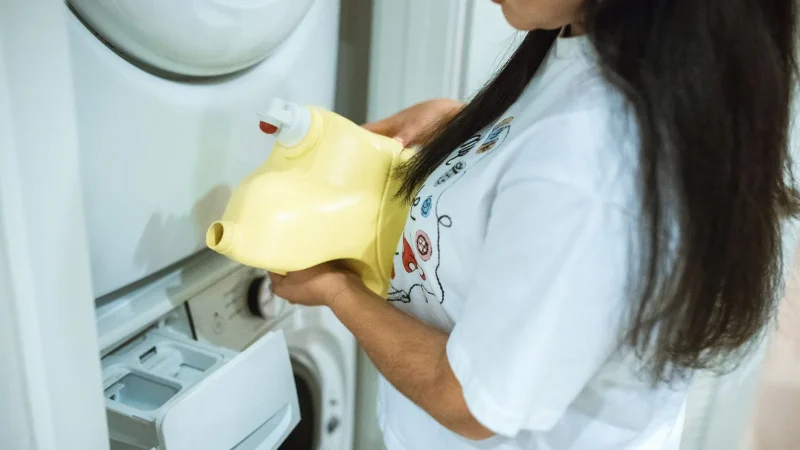
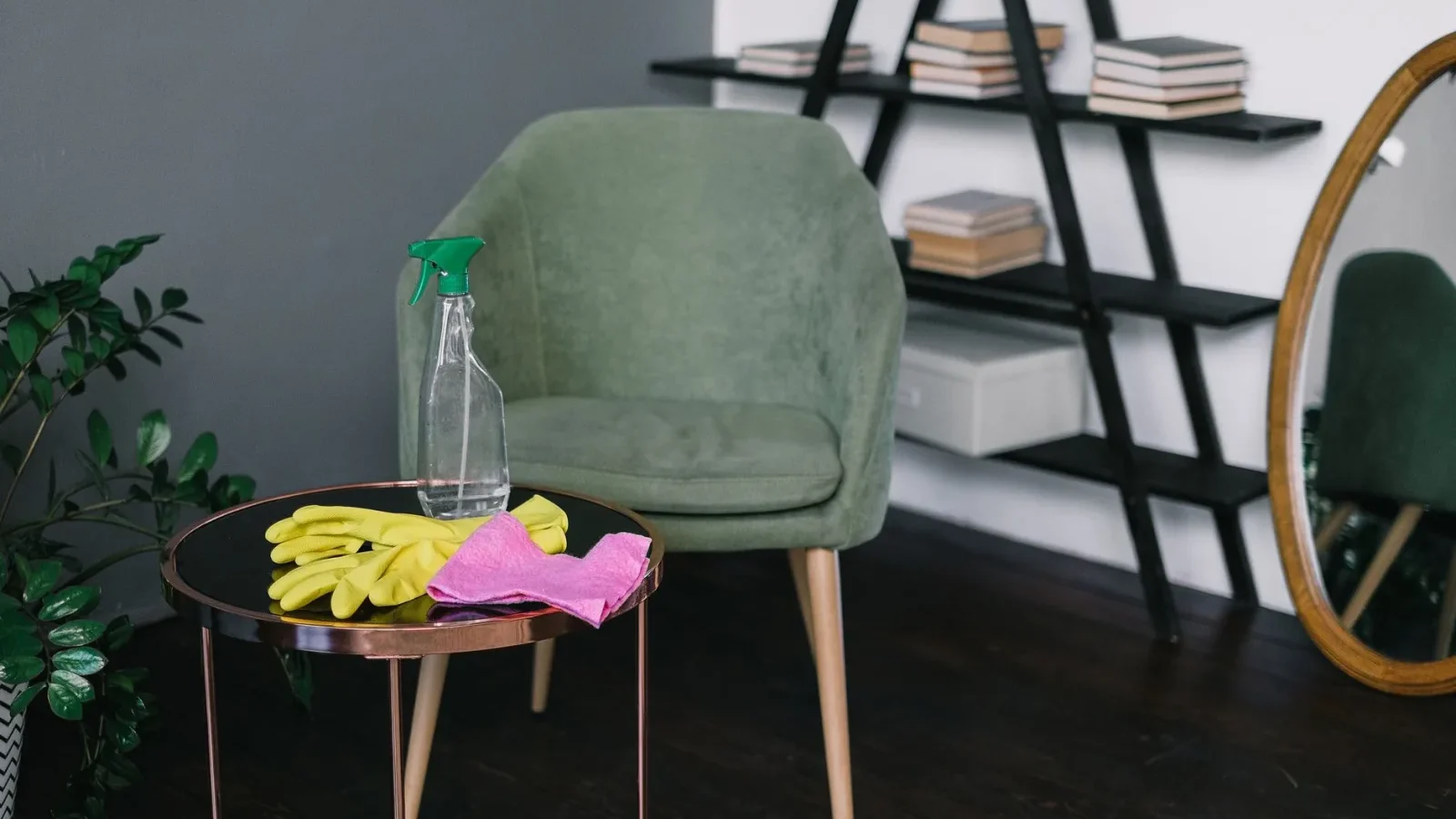
Somewhere on the back of half the bottles under your sink is a line that says something like “safe for septic systems,” and somewhere else is a warning about killing 99.9% of bacteria. Both can’t be great news for a tank that runs on bacteria doing their job. I’ve kept a septic system running for more than a decade, and cleaning products were the part I overthought the most at first, until I realized the rules are simpler than the marketing makes them sound. The truth is you can keep a genuinely clean house without nuking the living system in your backyard.
In this guide you’ll learn why some cleaners hurt your tank, eight septic-safe products and ingredients that actually get the job done, a quick label test for anything new, and the few products worth keeping out of the drain entirely.
Key Takeaways
- Your tank relies on live bacteria; harsh disinfectants and drain cleaners are what kill them, not the occasional splash of everyday cleaner.
- Simple staples like vinegar, baking soda, and plain dish soap handle most household cleaning and are gentle on the tank.
- The single worst offenders are chemical drain openers, bleach used in bulk, and antibacterial products poured down the drain.
- Look for “biodegradable,” “phosphate-free,” and short ingredient lists rather than trusting a “septic-safe” stamp alone.
- Normal, occasional use of most cleaners is fine; it’s the volume and the harshest chemicals that cause trouble.
Why some cleaners hurt a septic system
A septic tank isn’t just a holding container. It’s a small living treatment plant where billions of bacteria break down the solids that flow in. Those bacteria are what keep sludge from building up too fast and keep partially treated water moving out to the drain field. Anything that kills them off in large amounts slows that whole process down.
That’s the core issue with harsh cleaners: products built to disinfect and sanitize are designed to kill bacteria, and they don’t stop being effective just because they’ve gone down your drain. Pour enough of them into the system and you can knock back the very colony doing the work. For the wider picture of which household products help or hurt, our complete buyer’s guide to septic-safe products covers cleaners, additives, filters, and more.
Volume matters more than a single splash
Here’s the reassuring part most warnings leave out: a cup of bleach in a load of laundry or a normal squirt of cleaner won’t crash your tank. A healthy system recovers from small doses because fresh bacteria keep arriving with every flush. The damage comes from routine heavy use, like pouring bleach by the bottle or running a disinfectant through the drains daily.
The ingredients that do the most harm
A short list of chemistries causes most of the trouble: chlorine bleach in quantity, quaternary “quat” disinfectants, chemical drain openers with lye or sulfuric acid, and antibacterial additives. Phosphates are a separate problem; they don’t kill bacteria but feed algae downstream in your drain field’s environment. Knowing these names lets you judge any bottle without trusting the front label.
8 septic-safe cleaning products that actually work
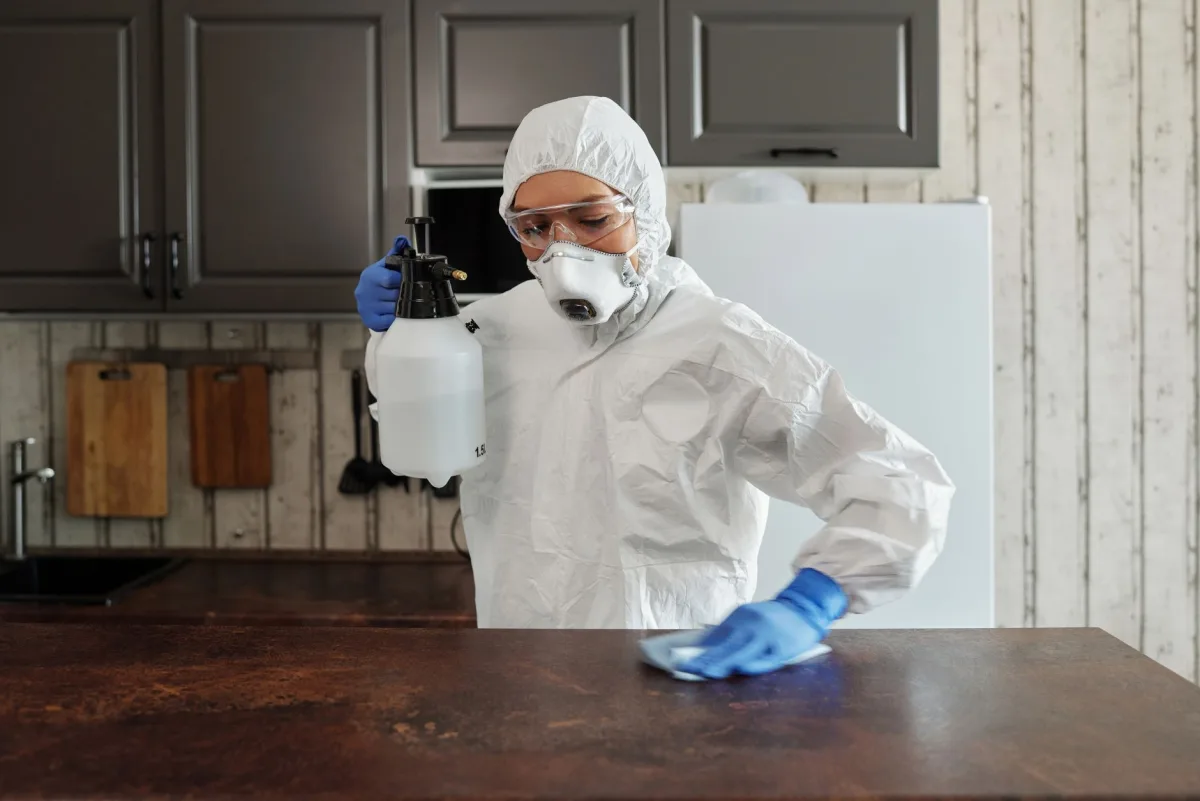
You don’t have to give up a clean house or buy a cabinet full of specialty bottles. These eight cleaners and ingredients cover almost every job in a normal home and are gentle on the tank. Most of them are cheaper than the heavy-duty products they replace.
Everyday staples that do most of the work
- White vinegar. Cuts grease, dissolves mineral scale, and freshens drains. It’s mild, biodegradable, and doesn’t linger in the tank. This is my go-to for countertops and glass, mixed roughly half and half with water.
- Baking soda. A gentle scrub for sinks, tubs, and stovetops, and a natural deodorizer. Paired with vinegar it handles a lot of grime with zero risk to your bacteria.
- Plain liquid dish soap. A basic, non-antibacterial dish soap breaks down grease on dishes and surfaces and rinses through the system without issue.
Store-bought cleaners that are septic-friendly
- Plant-based all-purpose sprays. Brands labeled biodegradable and phosphate-free clean like conventional sprays but break down safely. Read the ingredients, not just the front label.
- Oxygen bleach (sodium percarbonate). A color-safe, chlorine-free alternative for laundry and stain removal. It breaks down into water, oxygen, and soda ash rather than lingering as a disinfectant.
- Castile soap. A concentrated plant-oil soap that dilutes into an all-purpose cleaner, floor wash, or dish soap. A little goes a long way and it’s easy on the tank.
Targeted jobs, done safely
- Enzyme-based drain and surface cleaners. Instead of blasting a clog with chemicals, these use enzymes to digest organic buildup slowly and are safe to send into a tank.
- Toilet cleaners without bleach or “quat.” Look for hydrogen-peroxide or citric-acid based bowl cleaners; they clean well and skip the disinfectants that stress your system.
| Cleaning job | Septic-safe pick | What to avoid |
|---|---|---|
| Countertops and glass | Vinegar and water spray | Antibacterial sprays used daily |
| Sink and tub scrubbing | Baking soda | Bleach-based scouring powders |
| Toilet bowl | Peroxide or citric-acid cleaner | Bleach tablets in the tank |
| Laundry whitening | Oxygen bleach | Chlorine bleach by the bottle |
| Slow drain | Enzyme cleaner or a snake | Chemical drain openers (lye/acid) |
| Floors | Diluted castile soap | Phosphate-heavy detergents |
Tip: mix your own all-purpose spray
Fill a spray bottle with equal parts white vinegar and water, add a few drops of plain dish soap, and you have a cheap all-purpose cleaner that handles most surfaces. Skip the vinegar on natural stone like granite or marble, where the acid can etch; use a little dish soap and water there instead.
How to tell if a cleaner is septic-safe
A “septic-safe” stamp is a hint, not a guarantee, since the term isn’t tightly regulated. When you pick up a new product, a quick label check tells you more than the marketing on the front. Run through these steps before it goes in your cart.
- Flip the bottle over and read the actual ingredients, not the front-of-package claims.
- Put back anything whose main job is disinfecting or sanitizing if you plan to use it heavily, since those kill bacteria by design.
- Look for the words “biodegradable” and “phosphate-free,” which are good signs the product breaks down safely.
- Avoid chemical drain openers containing lye (sodium hydroxide) or sulfuric acid entirely; there’s almost always a mechanical fix instead.
- Favor short, recognizable ingredient lists over long chemical names you can’t pronounce.
When I switched my own house over, I didn’t toss everything at once. I finished the harsh bottles by using them sparingly, then replaced each with a gentler option as it ran out. Within a couple of months the cabinet was mostly vinegar, baking soda, oxygen bleach, and two plant-based sprays, and the house was just as clean. If you want to dig into which product promises are real, our look at whether septic product claims actually hold up is worth a read.
Products to keep out of your septic drains
A handful of products cause far more damage than the average cleaner, and they’re worth naming clearly so they never become a habit.
- Chemical drain openers. Lye and acid formulas generate heat, can damage pipes, and hammer your tank’s bacteria. Reach for a drain snake or an enzyme cleaner instead.
- Bulk chlorine bleach. A splash in laundry is fine; pouring it down drains to “clean” the system is a mistake that kills bacteria and does no good.
- Antibacterial everything. Antibacterial soaps and sprays sent down the drain regularly work against the living tank. Plain soap cleans hands just as well.
- Automatic toilet-bowl bleach tablets. These trickle disinfectant into the system with every flush, a slow, steady dose your bacteria don’t need.
- Solvents, paint, and pesticides. Never pour these down any drain on a septic system; they don’t belong in the tank or the groundwater beneath your field.
Warning: never pour a chemical drain opener into a slow drain
On a septic system, a slow drain is often a sign of trouble deeper in the tank or field, not just a hairball. Dumping a caustic drain opener in can damage pipes, harm your bacteria, and leave a dangerous chemical mix for whoever services the system next. Use a plunger or drain snake first, and call a pro if the whole house is slow.
Do you need special septic cleaning products?
Usually not. This is where a lot of owners overspend. Most “septic system cleaner” products are simply repackaged versions of ingredients you already have or can buy cheaper, and the everyday staples above cover the vast majority of jobs. The goal isn’t a special shopping list; it’s avoiding the few harsh chemicals that cause real harm.
Put it in perspective: a routine tank pump-out runs roughly $300 to $600, and replacing a failed drain field can cost several thousand to well over $20,000. Cleaning products alone won’t sink a system, but pairing gentle cleaners with sensible habits and regular pumping is a cheap insurance policy. You can browse the rest of the products worth your money in our products category, and see the paper side of things in our roundup of the best septic-safe toilet paper options.
Frequently Asked Questions
Is bleach safe to use with a septic system?
In small amounts, yes. A normal splash of bleach in a load of laundry won’t harm a healthy tank, because fresh bacteria keep arriving with every flush. The problem is heavy use, like pouring bleach by the bottle or relying on bleach-based cleaners daily. For routine cleaning, oxygen bleach and peroxide cleaners are gentler alternatives.
What household cleaners are safe for septic tanks?
White vinegar, baking soda, plain dish soap, castile soap, oxygen bleach, and plant-based sprays labeled biodegradable and phosphate-free are all septic-friendly. They clean effectively without killing the bacteria your tank needs. Enzyme-based drain and surface cleaners are also safe. The staples cover almost every job in a normal home for less money than specialty products.
Are antibacterial cleaners bad for septic systems?
Used heavily, yes. Antibacterial soaps and sprays are designed to kill bacteria, and they keep doing so once they reach your tank, working against the living colony that treats your waste. Occasional use is fine, but for daily cleaning, plain soap and water clean just as well without stressing the system.
Can I use vinegar and baking soda to clean drains on septic?
Yes, both are safe and mild for septic systems. Vinegar and baking soda are great for freshening drains and light cleaning. Just know they’re gentle, so they won’t clear a real clog. For a stubborn slow drain, use a plunger or drain snake, and avoid caustic chemical drain openers, which harm both pipes and bacteria.
Does a “septic-safe” label really mean it’s safe?
It’s a helpful hint, not a regulated guarantee. Because the term isn’t tightly controlled, reading the actual ingredient list is more reliable. Look for biodegradable, phosphate-free products, avoid heavy disinfectants and chemical drain openers, and favor short ingredient lists. Many everyday, unlabeled cleaners are perfectly septic-friendly when used in normal amounts.
Conclusion
Keeping a clean home on a septic system comes down to a simple habit: lean on gentle staples like vinegar, baking soda, and plant-based cleaners, use bleach and disinfectants sparingly, and never pour chemical drain openers into your pipes. Your bacteria stay alive, your house stays clean, and you usually spend less. When you’re ready to sort out the rest of your septic supplies, browse our septic-safe products buyer’s guide, and for trustworthy care basics the EPA’s SepticSmart program is a solid place to start.