When you dig into your county’s septic permit, you might see the words “drain field” on one page and “seepage pit” on another and wonder if they mean the same thing. They don’t. Both are ways to return treated wastewater to the soil, but they do it very differently, and knowing which one your home has changes how you protect it. I’ve owned homes with each, and the day-to-day care is not the same.
In this guide you’ll learn exactly how a drain field and a seepage pit differ, where each one is used, the pros and cons of both, and how to tell which one is buried in your own yard.
Key Takeaways
- A drain field spreads effluent sideways through shallow, horizontal trenches; a seepage pit sends it down into a single deep, vertical hole.
- Drain fields are the modern standard in most US states; seepage pits are older and now restricted or banned in many areas.
- Drain fields need a lot of level surface area (often 3,000+ sq ft); seepage pits fit tight or sloped lots where surface space is scarce.
- Both rely on the same septic tank ahead of them, and both fail the same way: when the surrounding soil clogs and can no longer absorb water.
- Check your county permit drawing first to confirm which disposal method you have before you plan any landscaping or repairs.
The Short Answer: Horizontal vs Vertical
Every septic system does two jobs. The tank settles and partly breaks down waste, and a second structure returns the clarified liquid (called effluent) to the ground so the soil can finish cleaning it. A drain field and a seepage pit are two different designs for that second job.
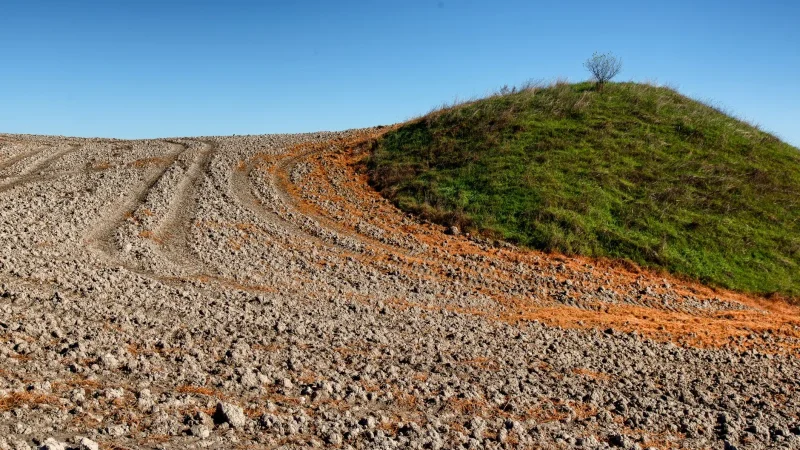
A drain field, also called a leach field, is a set of long, shallow trenches. Perforated pipe sits in gravel about 1 to 3 feet below the surface, and effluent trickles out sideways over a wide area. Because it’s spread thin and shallow, it stays close to the oxygen-rich topsoil where helpful bacteria live.
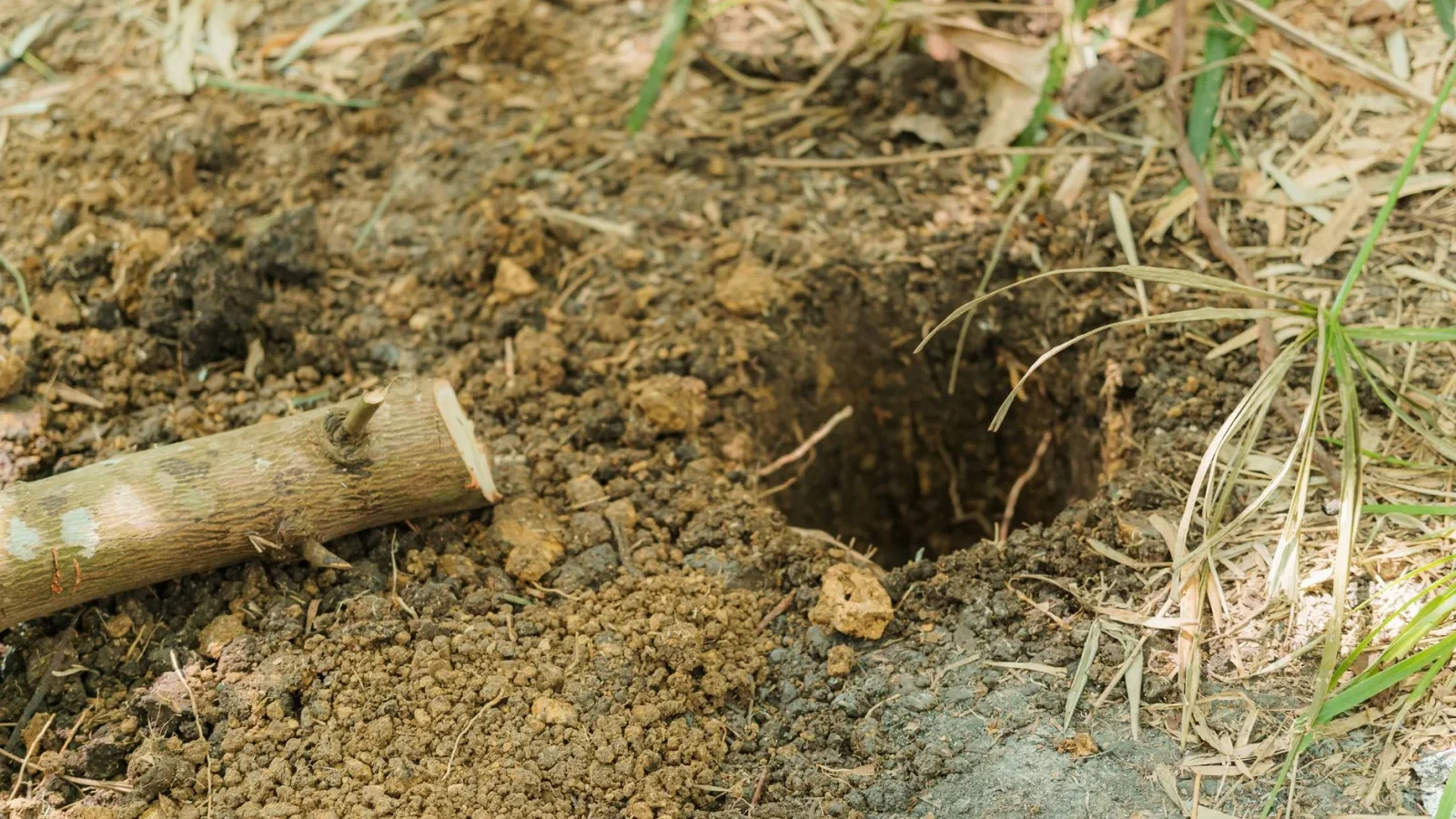
A seepage pit (sometimes called a dry well, cesspool pit, or seepage well) does the opposite. It’s a single deep hole, often 10 to 20 feet down, lined with perforated concrete rings or block. Effluent fills the pit and soaks out through the walls and bottom into the deeper soil. It takes up very little ground at the surface but pushes water far below the active topsoil layer.
That single difference, going wide and shallow versus deep and narrow, drives almost everything else about how they perform, where they’re allowed, and how long they last.
Side-by-Side Comparison
Here’s how the two disposal methods stack up on the points that matter most to a homeowner.
| Feature | Drain Field (Leach Field) | Seepage Pit (Dry Well) |
|---|---|---|
| Shape | Long shallow trenches, spread wide | Single deep vertical hole |
| Typical depth | 1 to 3 feet | 10 to 20+ feet |
| Surface space needed | Large (often 3,000+ sq ft) | Small footprint |
| Soil contact | Bottom of trenches, near topsoil | Pit walls and floor, deep soil |
| Treatment quality | Better (oxygen-rich shallow soil) | Lower (little oxygen deep down) |
| Common use today | Modern standard nationwide | Older systems; restricted or banned in many states |
| Best fit for | Level lots with good soil area | Tight, rocky, or sloped lots |
How a Drain Field Works
After effluent leaves the septic tank, it flows to a distribution box that splits the flow evenly among several trench lines. The liquid seeps out of the perforated pipe, trickles through the gravel, and enters the soil. There, bacteria and microbes finish treating it before it reaches groundwater.
The reason drain fields are shallow is biology. The top layer of soil is full of oxygen, and the microbes that clean wastewater work best where oxygen is plentiful. Spreading effluent thin over a wide area also gives the soil time to absorb it without flooding. To learn the full picture, see our plain-English primer on what a leach field is and how it works.
Why Drain Fields Became the Standard
Because drain fields treat effluent in the biologically active upper soil, they protect groundwater better than a deep pit does. As US environmental rules tightened over the last few decades, most health departments began requiring conventional drain fields on new installs. The trade-off is space: you need a fair amount of level, unobstructed yard to fit one.
How a Seepage Pit Works
A seepage pit takes the same tank effluent but sends it into a single deep, hollow chamber. The walls are made of stacked concrete rings, perforated block, or open-jointed brick, so liquid can seep out sideways and down. Because the pit is so deep and narrow, it uses almost no surface land.
That compact footprint is exactly why seepage pits were popular on small city lots, steep hillsides, and rocky ground where a sprawling trench system simply wouldn’t fit. In parts of the arid Southwest, deep pits also reached down past shallow hardpan to looser soil below.
Important: Know Your Local Rules
Seepage pits (and the older, unlined cesspools they resemble) are restricted or outright banned for new construction in many states because deep discharge can reach groundwater before it’s fully treated. If you have one, you may be allowed to keep using it, but replacing or expanding it often triggers a required upgrade to a modern drain field. Always check with your county health department before doing any work.

Pros and Cons of Each
Neither method is “bad” in every situation. Each was designed to solve a particular problem. Here’s how they compare when you weigh the real trade-offs.
Drain Field Pros and Cons
- Pro: Better treatment in oxygen-rich shallow soil, so it protects groundwater more effectively.
- Pro: Accepted and permitted almost everywhere for new systems.
- Pro: Easier to inspect and, in some cases, restore because it’s near the surface.
- Con: Needs a large area of level, well-drained ground.
- Con: The surface must stay off-limits to vehicles, heavy structures, and deep-rooted trees.
Seepage Pit Pros and Cons
- Pro: Tiny surface footprint, ideal for tight or sloped lots.
- Pro: Can work where shallow soil is poor but deeper soil drains well.
- Con: Weaker treatment because deep soil holds little oxygen.
- Con: Higher groundwater-contamination risk, which is why many areas restrict them.
- Con: When the walls clog, a deep pit is hard and costly to rehabilitate.
How to Tell Which One You Have
Before you plant a garden, park a trailer, or plan a repair, you need to know which disposal method sits under your yard. Here’s a reliable order to figure it out.
- Pull your permit and as-built drawing. Your county health or building department keeps the original septic permit. It will label the disposal method and show its location. This is the fastest and most certain answer.
- Look at the shape on the diagram. A drain field shows as several long parallel lines (trenches). A seepage pit shows as one or two small circles, often labeled “pit,” “dry well,” or “SP.”
- Walk the yard for clues. Drain field trenches sometimes show as long, slightly greener strips of grass. A seepage pit may reveal itself as a single round settled spot or a small concrete lid.
- Ask the previous owner or your pumper. The company that services the tank has often seen the whole layout and can tell you what feeds off the tank outlet.
- Have a pro locate it if records are missing. A septic contractor can trace lines from the tank outlet and confirm the design without guesswork.
Tip: Protect Whichever One You Have
Both designs die the same death: the surrounding soil clogs with solids and biomat and stops absorbing water. The single best thing you can do for either is keep water use moderate and keep solids out of the tank by pumping on schedule. On my own system, spacing out laundry loads made a bigger difference than any additive I ever tried.
What This Means for Your Landscaping and Care
The design you have changes what you can safely do above it. Over a drain field, you have a wide area to keep clear of compaction, heavy structures, and aggressive roots, but you can grow shallow-rooted grass and certain plants safely. Our guide to the best plants to grow over a septic drain field covers the safe choices.
Over a seepage pit, the vulnerable zone is smaller but concentrated. You still want to avoid parking on the lid, planting trees near it, or directing roof runoff toward it. Because a pit is deep, root intrusion from a nearby tree can reach it and clog the walls before you’d ever notice at the surface.
Whichever you have, the septic tank ahead of it is your first line of defense. A worn tank baffle or missing effluent filter lets solids escape and clog the disposal area faster. For the full routine that keeps both the tank and the disposal area healthy, see our complete guide to your septic drain field.
Frequently Asked Questions
Is a seepage pit the same as a cesspool?
They’re close cousins but not identical. An old cesspool receives raw waste directly and both settles and disposes of it in one pit. A seepage pit sits after a proper septic tank and only receives clarified effluent, so it does a cleaner job. Both are restricted in many states today.
Can I convert a seepage pit to a drain field?
Often yes, and sometimes you must. If a pit fails or you expand the home, many counties require replacing it with a conventional drain field. Conversion needs enough level yard space, a soil percolation test, and a permit, so budget for design and excavation costs before starting.
Which lasts longer, a drain field or a seepage pit?
Both can last 20 to 40 years with good care, but lifespan depends more on soil, water load, and maintenance than on the design itself. Seepage pits can be harder to rehabilitate once they clog because the failure is deep underground and out of easy reach.
Do drain fields and seepage pits use the same septic tank?
Yes. Both are just the final disposal stage that follows the tank. The tank settles solids and partly digests waste, then sends the liquid effluent onward. That’s why keeping your tank pumped and its baffles intact protects either type of disposal area equally well.
How do I know if my seepage pit is failing?
Watch for slow drains, sewage odors, gurgling fixtures, or a soggy spot near the pit. Because a pit is deep, surface signs often appear later than with a drain field. If drains back up and the tank was recently pumped, the disposal area is the likely culprit and needs a pro’s eyes.
Conclusion
Drain fields and seepage pits solve the same problem, returning treated water to the soil, in opposite ways: wide and shallow versus deep and narrow. Drain fields treat wastewater better and are the modern standard, while seepage pits survive on older or space-tight properties under stricter rules. The most important step is simply confirming which one you have so you can protect it correctly. When you’re ready to dig deeper into caring for your disposal area, browse the rest of our drainfield care articles and lean on your county health department for anything specific to your permit. For general septic guidance, the EPA SepticSmart program is a solid, non-commercial place to start.