
Your drain field is the quietest part of your septic system and, dollar for dollar, the most expensive to lose. Replacing one can run from several thousand dollars into $20,000 or more, yet most homeowners never think about it until the grass over it turns soggy. After years of walking my own field every season, I’ve found that protecting it comes down to a short list of habits, not big investments. The good news is that nearly all of them are free.
In this step-by-step guide you’ll learn exactly how to protect your drain field: what to keep off it, how to manage the water flowing to it, what to plant, and the seasonal checks that catch small problems before they become buried, costly ones.
Key Takeaways
- Keep all vehicles, heavy equipment, and livestock off the field; soil compaction is the number-one avoidable killer.
- Divert roof gutters, sump pumps, and surface runoff away from the field so it only handles wastewater.
- Cut household water use and fix leaks; less water in means a field that lasts years longer.
- Plant only shallow-rooted grass over the field and keep trees at least 30 feet away.
- Pump the tank every 3 to 5 years so solids never reach and clog the field pipes.
Why the Drain Field Deserves Your Attention
The drain field, sometimes called the leach field, is where partly treated wastewater from your tank soaks slowly into the soil. Bacteria and the ground itself finish cleaning it before it reaches groundwater. It is the last stage of treatment and the least forgiving. Once the soil beneath it clogs or compacts, it usually cannot be brought back with a quick fix.
That’s why prevention matters so much here. A tank can be pumped. A baffle can be replaced. But a drain field that fails from years of abuse often has to be dug up and rebuilt in a new spot, if your lot even has room. Protecting it is far cheaper than restoring it, and it starts with understanding what actually harms it.
If you want the full picture of how this part fits into the whole system, our complete guide to your septic drain field is the best place to start. This article zooms in on the protection habits themselves.
Step 1: Keep Weight Off the Field
Compaction is the most common way homeowners quietly destroy a drain field. The pipes sit in gravel trenches only a foot or two down, and the soil around them needs air pockets to absorb and treat water. Drive over it, park a trailer on it, or let cattle graze it, and you squeeze those air pockets shut. Water can no longer soak in, and it starts backing up or surfacing.
- Never park cars, trucks, RVs, or boats over the field, even “just for a day.”
- Keep construction equipment, dumpsters, and firewood piles off it.
- Don’t build sheds, patios, decks, or pools over or right beside it.
- Fence livestock out; a horse or cow does the same damage as a small truck.
- Avoid stacking heavy landscaping features like boulders or raised beds on top.
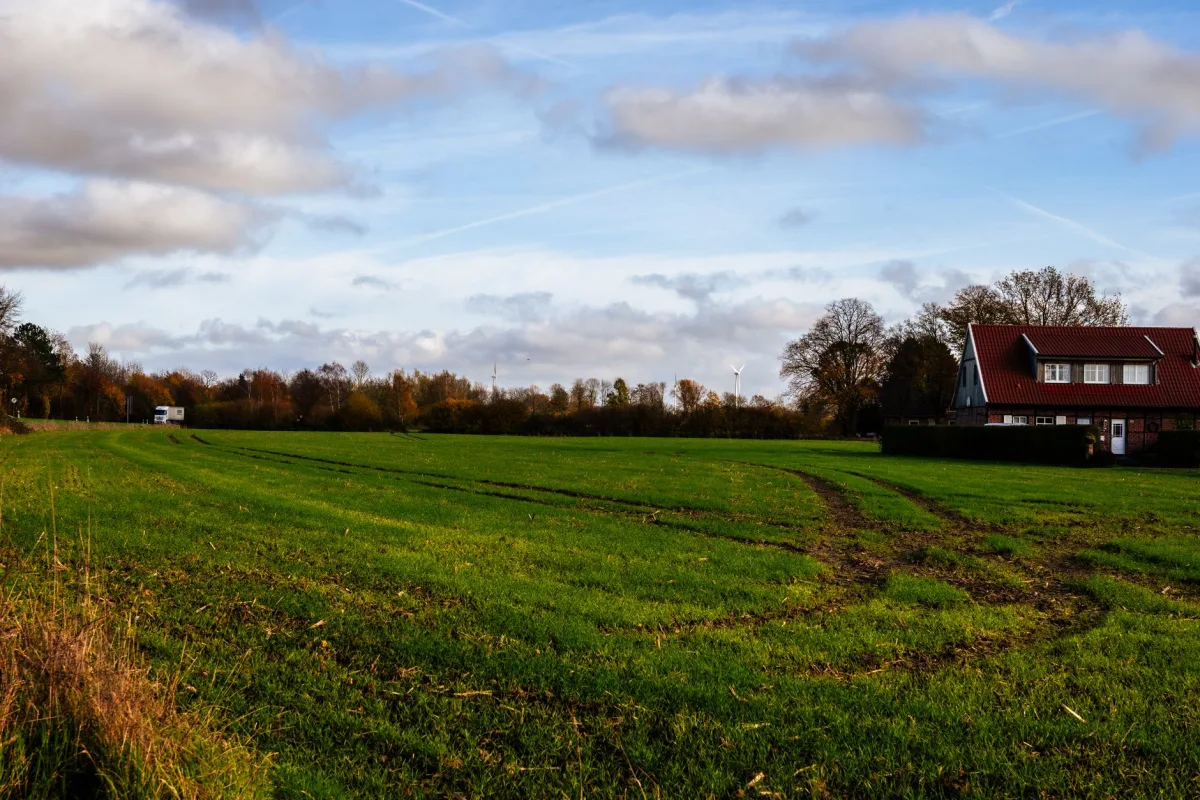
The safest mindset is to treat the field as permanent open lawn. Mark its corners so guests and contractors know where not to drive. On my property I set two flat, painted stones at the field’s edges after a delivery truck nearly cut across it. It took ten minutes and has saved me the conversation ever since.
Step 2: Manage the Water Reaching It
A drain field is sized to handle your household’s wastewater and nothing more. Every extra gallon that reaches it, whether from a leaky toilet or a downspout, shortens its life. There are two sides to this: the water you send from inside the house, and the surface water that drains toward the field from outside.
Reduce indoor water use
Fix running toilets and dripping faucets quickly; a single silent toilet leak can waste hundreds of gallons a day and keep the field constantly saturated. Spread laundry across the week instead of doing six loads on Saturday. Install low-flow fixtures and run only full dishwasher and washing machine loads. The EPA notes that using water efficiently is one of the simplest ways to extend the life of a septic system.
Divert outside water away
The field can’t do its job if it’s already waterlogged from rain. Point roof gutters and downspouts away from it. Route sump pump and foundation drain discharge somewhere else entirely. If your yard slopes toward the field, a shallow swale or berm can redirect runoff. Never send water softener backwash or hot tub drains onto the field either.
Quick tip: watch the field after a storm
The morning after a heavy rain is the best time to spot drainage problems. Walk the field. If one strip stays squishy or ponds while the rest of the yard has drained, that’s usually surface water pooling where it shouldn’t. Fixing the runoff path early is far cheaper than letting a chronically wet field slowly fail.
Step 3: Landscape It the Right Way
Plants over a drain field are helpful, up to a point. Grass and shallow-rooted cover pull moisture from the soil and prevent erosion, which actually helps the field breathe. The danger is roots. Aggressive roots from trees and shrubs seek out the moisture and nutrients in the pipes and can crush or clog them.
| Over the field | Do this | Avoid this |
|---|---|---|
| Grass and lawn | Turf grass, native grasses | Nothing to avoid; grass is ideal |
| Small plants | Shallow-rooted wildflowers, ground cover | Vegetable gardens (contamination risk) |
| Shrubs | Keep back from trenches | Dense, thirsty shrubs near pipes |
| Trees | Plant 30+ feet away | Willows, maples, poplars nearby |
| Hardscape | Leave open | Patios, gravel, plastic sheeting, mulch beds |
Water-loving trees like willows, silver maples, and poplars are the worst offenders and should sit well beyond the field. Also skip covering the field with plastic sheeting or thick mulch; the soil needs to exchange air to treat wastewater. For a full breakdown of safe choices, see our list of the best plants to grow over a septic drain field.
Step 4: Pump the Tank on Schedule
This is where drain-field protection loops back to the tank. Your septic tank’s whole job is to hold back the solids so that only liquid moves on to the field. When the tank gets too full, sludge and floating scum start to escape and travel out to the field pipes, where they clog the soil for good.
The EPA recommends inspecting a typical household system every three years and pumping the tank every three to five years, depending on tank size and how many people live in the home. A pump-out usually costs around $300 to $600. Compared with a drain-field replacement in the thousands, it’s the cheapest insurance you can buy.
Consider adding an effluent filter at the tank outlet if you don’t have one. It catches stray solids before they can reach the field and only needs occasional rinsing. Keeping the tank in good order is the single most important thing you can do to protect what’s downstream.
Step 5: Watch for Early Warning Signs
Even a well-protected field ages, so make a habit of checking it. Catching trouble early is the difference between a minor repair and a full replacement. Walk the field every season and after big weather, and run through this quick check.
- Look for wet or spongy ground. Standing water or soft spots over the trenches when it hasn’t rained is a red flag.
- Notice the grass. A strip of unusually green, fast-growing grass over the field can mean effluent is surfacing.
- Sniff around. A sewage or rotten-egg smell near the field points to wastewater not soaking in properly.
- Check indoor drains. Slow drains or gurgling toilets can be the first hint the field is struggling to accept water.
- Note the timing. Write down when symptoms appear, especially after heavy use, so a technician has a clear history.
If you spot several of these together, don’t wait. Ease off water use and call a septic professional. For the deeper diagnostic path once a field is already struggling, our guide on how to restore a failing drain field walks through what can and can’t be revived.
One habit that undoes all the others
You can do everything above right and still ruin a field by pouring the wrong things down the drain. Grease, harsh chemicals, paint, and “flushable” wipes either clog the pipes or kill the bacteria that treatment depends on. Protecting the field starts at your sink and toilet. The U.S. EPA’s SepticSmart program is a reliable, non-commercial guide to what’s safe to send down.
A Quick Word on What Never to Do
Protecting a field is mostly about avoiding a handful of clear mistakes. Don’t drive on it, don’t build on it, don’t plant thirsty trees near it, don’t flood it with extra water, and don’t skip pumping. Each one on its own can quietly shorten a field’s life by years. For the full rundown, our list of 10 things you should never do to a drain field covers the compaction and planting errors in detail, and you can browse related reading anytime in the Drainfield category.
Frequently Asked Questions
How do I protect my drain field from damage?
Keep all weight off it, including vehicles and livestock, so the soil stays uncompacted. Divert roof and surface water away, plant only shallow-rooted grass over it, use household water efficiently, and pump your septic tank every three to five years so solids never reach the field pipes.
Can I park or drive on my septic drain field?
No. The pipes sit only a foot or two below the surface, and vehicle weight compacts the soil and can crush them. Compaction closes the air pockets the field needs to absorb water, leading to backups or surfacing effluent. Treat the field as permanent open lawn and keep all vehicles off it.
What can I plant over a drain field?
Grass is the best choice; it prevents erosion and helps pull moisture from the soil. Shallow-rooted wildflowers and ground covers are fine too. Avoid vegetable gardens, dense shrubs, and any trees within about 30 feet, especially thirsty species like willows and maples whose roots invade and clog the pipes.
How often should I pump my tank to protect the drain field?
The EPA recommends pumping most household tanks every three to five years, with an inspection about every three years. The exact interval depends on tank size and household size. Regular pumping keeps solids from escaping to the field, which is the leading cause of premature drain-field failure.
What are the first signs a drain field is failing?
Watch for soggy or spongy ground over the trenches, a strip of unusually lush green grass, sewage or rotten-egg odors near the field, and slow or gurgling indoor drains. If several appear together, reduce water use and call a septic professional promptly rather than waiting for a full backup.
Conclusion
Protecting your drain field isn’t complicated or expensive; it’s a set of small, steady habits. Keep weight off it, keep extra water away from it, plant it wisely, and pump your tank on schedule. Do those consistently and you can add years, sometimes decades, to the most costly part of your system. If you’d like to see how all of this connects to the bigger picture, our complete guide to your septic drain field is a friendly next read whenever you’re ready.