You want the corner of the yard over your drain field to look like the rest of your landscape, not a bare, roped-off patch of dirt. The catch is that the wrong plant in that spot can send roots into your leach lines and turn a $40 planting into a five-figure repair. I learned to think of my own field as a sunny bed with one hard rule: shallow roots only. In this guide you’ll learn the eight best plants to grow over a septic drain field, why each one is a safe choice, and the simple planting rules that keep the pipes below untouched.
Key Takeaways
- The safest cover by far is turf grass — shallow-rooted, easy to mow, and it helps pull excess moisture from the soil.
- Stick to shallow-rooted perennials, ornamental grasses, and groundcovers; keep roots under about 2 to 3 feet deep.
- Never plant trees or large shrubs within at least 20 to 30 feet of the field — their roots are the number-one cause of clogged leach lines.
- Skip vegetables and anything you’d eat that touches the soil over the field.
- Avoid raised beds, heavy mulch, or landscape fabric that trap moisture and block the field from breathing.
Before the plant list, it helps to understand what you’re actually planting on top of. A drain field is a network of perforated pipes buried in gravel-filled trenches, usually a foot or two down. Treated liquid trickles out of those pipes and soaks into the soil, where it finishes purifying. The plants above have two jobs: hold the soil in place and use up some of that moisture through their roots and leaves. What they must not do is grow roots aggressive enough to reach and clog the pipes.
The One Rule Behind Every Safe Choice
Every plant on this list shares one trait: shallow, non-aggressive roots. Deep or water-seeking roots are drawn straight to the moisture and nutrients inside your leach lines, and once they find a pipe seam they grow into it and choke the flow. That’s why trees like willows, poplars, maples, and any thirsty shrub are off-limits anywhere near the field.
Grass and shallow-rooted perennials are the opposite. Their roots stay in the top several inches of soil, so they beautify the surface and soak up moisture without ever threatening the pipes below. The U.S. EPA’s SepticSmart program makes the same point: plant grass over the drain field and keep trees and other deep-rooted plants away from the pipes. Keep that single rule in mind and the choices below almost pick themselves.
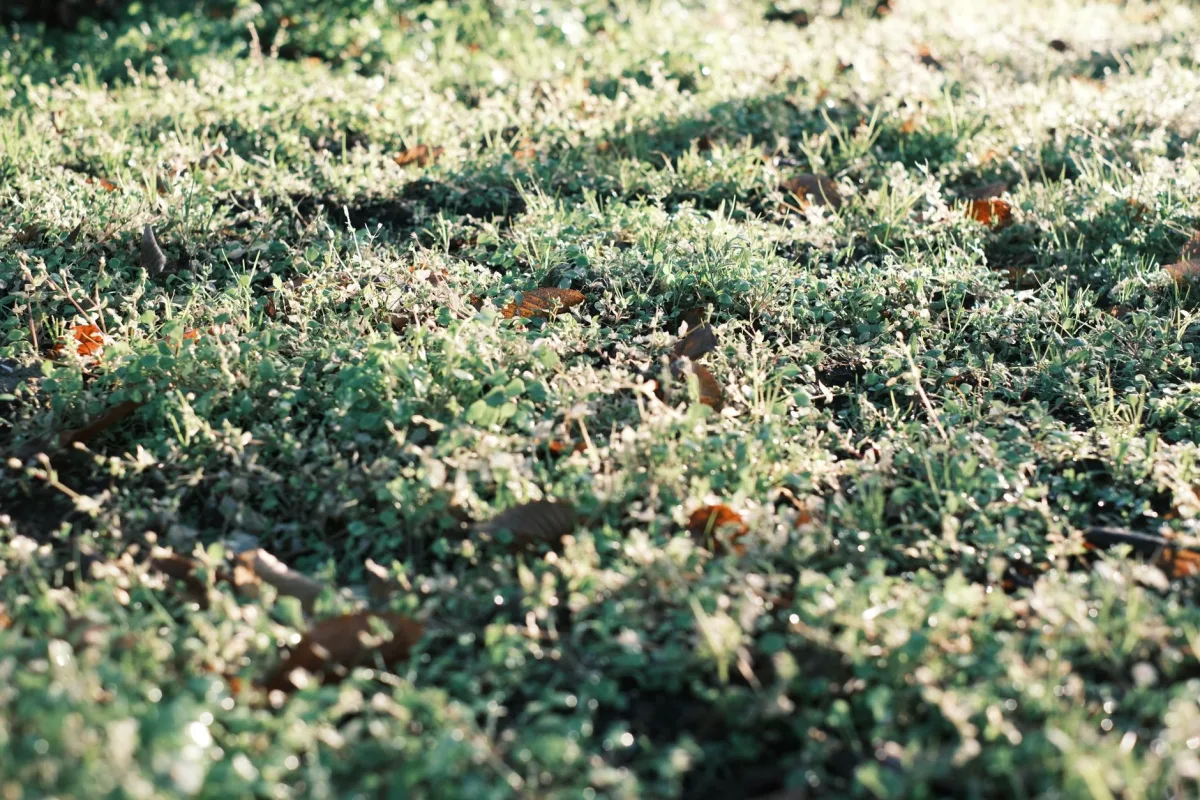
8 Best Plants to Grow Over a Septic Drain Field
1. Turf Grass (The Gold Standard)
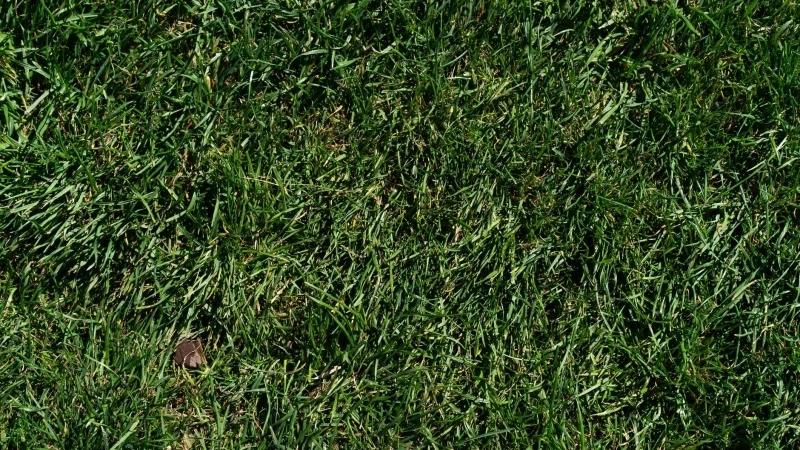
If you plant nothing else, plant grass. A simple lawn of fescue, Kentucky bluegrass, or a regional turf blend is the single best cover for a drain field. The roots are shallow and fibrous, they hold the soil against erosion, and the constant growth pulls a steady amount of moisture out of the ground. It’s also easy to mow, and mowing keeps the whole area low and open so the field can breathe.
On my own system, plain turf grass is exactly what covers the field. It looks like the rest of the yard, and when I walk it after a heavy-use weekend I can spot a wet patch or an over-green stripe immediately — something a dense flowerbed would hide.
2. Wildflowers and Native Meadow Mixes
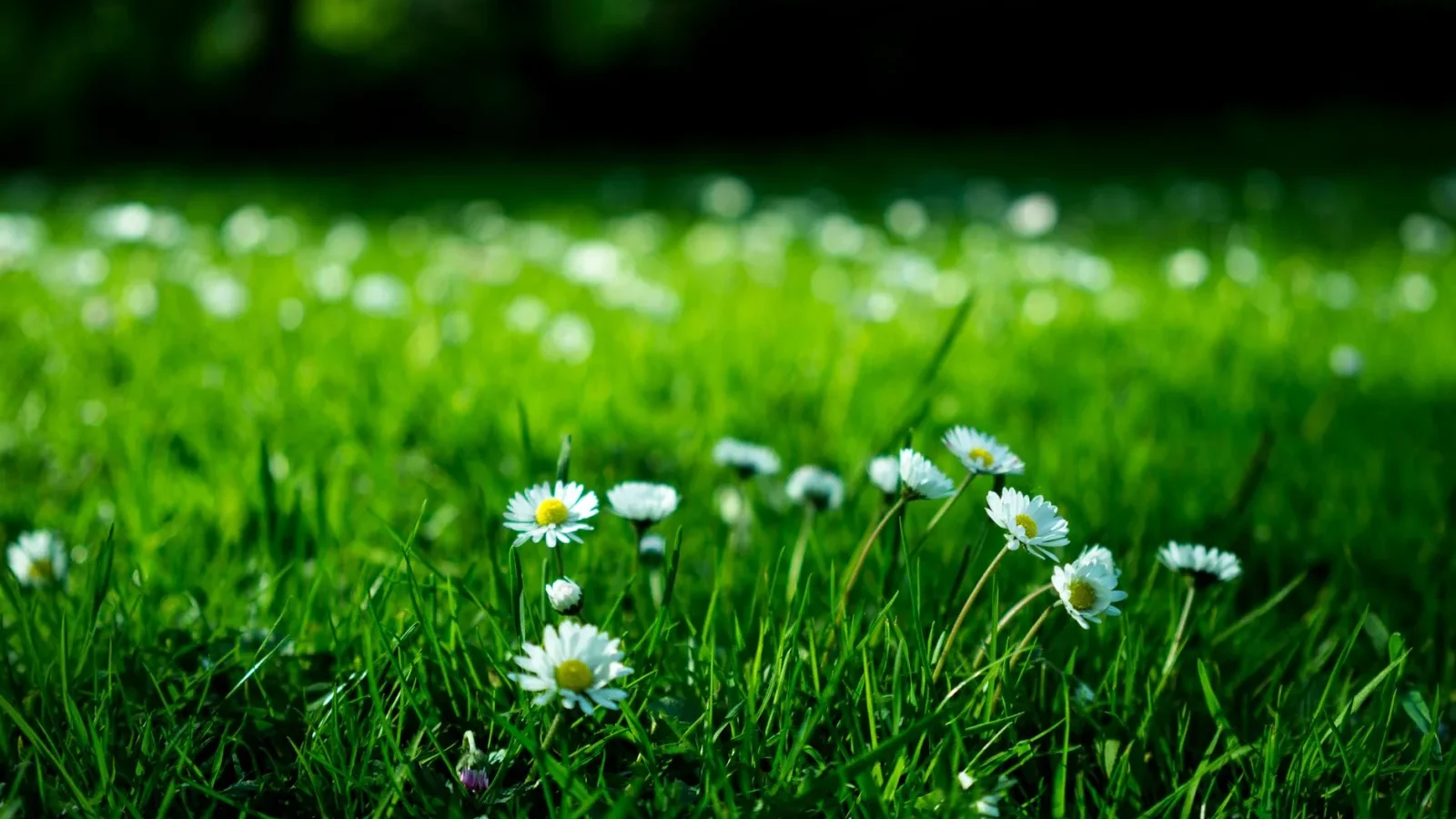
If you’d rather not mow, a low native wildflower or meadow mix is a beautiful, low-maintenance option. Species like black-eyed Susan, coneflower, and native bunchgrasses have modest root systems and thrive on the extra moisture near a field. They bring in pollinators and add color from spring through fall.
Choose a mix labeled for your region and lean toward shorter, clumping species. Avoid anything described as deep-rooted or drought-adapted for extreme dryness, since those tend to send roots down farther in search of water.
3. Ornamental Grasses
Clumping ornamental grasses such as blue fescue, little bluestem, and short fountain grass give height and texture without the deep-root risk. Their roots stay compact, and they add a softer, more designed look than a plain lawn. Space them so you can still walk the field to inspect it.
Steer clear of tall, spreading giant grasses that form massive clumps and dense root mats over time. Smaller, well-behaved varieties are the safe pick here.
4. Groundcovers Like Creeping Thyme and Vinca
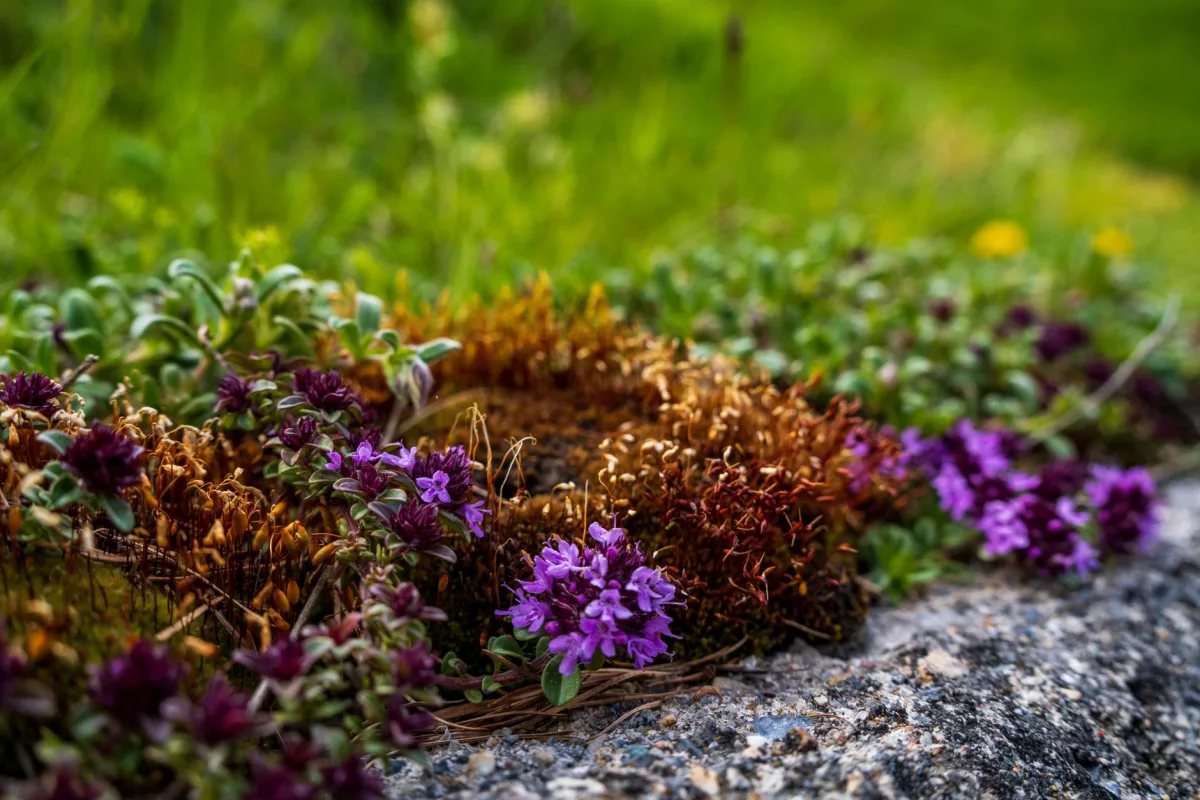
Low, spreading groundcovers cover bare ground fast and need almost no mowing. Creeping thyme, periwinkle (vinca), and creeping phlox stay a few inches tall and root shallowly. They’re ideal for the edges of a field or a spot you’d rather not cut every week.
One caution: pick a groundcover that won’t become invasive in your area, and keep it thin enough that you can still see and reach the soil for inspections.
5. Small Perennial Flowers
Shallow-rooted perennials let you have a real flower display over the field. Good choices include daylilies, coreopsis, salvia, and hostas in shadier spots. They come back every year, their roots stay near the surface, and they don’t demand the deep watering that could saturate the field.
Plant them in loose clusters rather than one solid mass, so the surface stays open and you can dig one out later without disturbing a pipe.
6. Spring Bulbs
Bulbs such as daffodils, crocus, and grape hyacinth are planted only a few inches deep and have tiny root systems, which makes them safe over most fields. They give an early-season burst of color and then quietly go dormant, leaving the grass to take over.
Just check how deep your pipes sit before you dig. If any part of the field is unusually shallow, keep planting to the surface layers only and avoid deep bulb holes there.
7. Annual Flowers
Annuals like marigolds, zinnias, and impatiens are a low-commitment way to add seasonal color. Because they only live one season, their roots never get large or aggressive, and you replant on your own terms without digging deep.
They’re perfect for a small accent area near the edge of the field. Water them at the surface and avoid soaking the ground more than the field can handle.
8. Clover and Low Legume Covers
A clover lawn or clover-grass blend is a hardy, low-water cover that stays short and shallow-rooted. White clover in particular tolerates foot traffic, needs little fertilizer, and stays green with less watering than turf. It’s a practical choice if you want cover that mostly takes care of itself.
Below is a quick side-by-side of these options by how much upkeep they need and what to watch for.
| Plant type | Root depth | Upkeep | Best for |
|---|---|---|---|
| Turf grass | Shallow | Regular mowing | The all-around safest cover |
| Wildflower mix | Shallow | Low, occasional cut | No-mow color and pollinators |
| Ornamental grasses | Shallow, clumping | Yearly trim | Texture and height |
| Groundcovers | Very shallow | Minimal | Edges and no-mow zones |
| Perennials & bulbs | Shallow | Seasonal | Flower displays |
| Clover blend | Shallow | Very low | Low-water, self-sufficient cover |
| General guidance for a typical conventional field. Confirm your pipe depth before planting anything deeper than a bulb. | |||
What Not to Plant Over a Drain Field
Knowing what to avoid matters as much as knowing what’s safe. These are the plants and features that cause the most damage, and the reason each one is a problem:
- Trees — especially willows, poplars, silver maples, and other fast-growing, thirsty species. Their roots seek water and are the leading cause of clogged and cracked leach lines. Keep them at least 20 to 30 feet away.
- Large shrubs and bushes — woody roots run deeper and wider than they look. Treat them like small trees and keep them off the field.
- Vegetable and fruit gardens — treated effluent can carry bacteria, so anything edible that touches the soil is a health risk. Grow food elsewhere.
- Raised beds — extra soil traps moisture and starves the field of the air it needs to work.
- Heavy mulch or landscape fabric — both hold water in and block evaporation, keeping the field soggy.
For the full rundown of habits that quietly shorten a field’s life, see our guide to the things you should never do to a drain field. It covers parking, structures, and the water mistakes that do just as much damage as the wrong plant.
Warning: Locate your lines before you dig
Before planting anything deeper than grass seed or a shallow bulb, find out exactly where your trenches and pipes run and how deep they sit. Digging a planting hole through a leach line or the header pipe can crack it and cause a backup. If you don’t have a system diagram, your county health department or the installer’s permit records usually show the layout.
How to Plant Over the Field Safely
Even with the right plants, how you put them in the ground matters. Follow these steps to landscape without putting the system at risk:
- Map the field first. Locate the trenches, the distribution box, and the pipe depth using your system diagram or county records before touching a shovel.
- Choose only shallow-rooted plants. Work from the list above and keep trees and large shrubs well clear of the whole area.
- Dig shallow. Plant into the top few inches of soil. Skip deep tilling, deep bulb holes, and anything that disturbs the gravel below.
- Go easy on water and fertilizer. The field is already handling moisture. Extra irrigation can saturate it, so water plants sparingly and only at the surface.
- Leave access clear. Keep the inspection ports, lids, and cleanouts free of dense planting so a technician can reach them.
- Keep it walkable. Plant loosely enough that you can still stroll the field to check for wet spots, odor, or over-green patches.
That last point is easy to overlook. A field you can walk is a field you can monitor, and early detection is everything. If you’re not sure what a struggling field looks like, our guide to the signs of drain field failure to watch for shows exactly what those wet spots and smells are telling you.
Frequently Asked Questions
Quick answers to the questions homeowners ask most about planting over a drain field.
What is the best thing to plant over a septic drain field?
Turf grass is the best choice by a wide margin. Its shallow, fibrous roots hold the soil, it’s easy to mow, and its constant growth helps pull excess moisture from the field. Grass also lets you see and reach the ground for inspections, which denser plantings tend to hide.
Can I plant flowers over my drain field?
Yes, as long as you stick to shallow-rooted annuals, perennials, and bulbs like marigolds, daylilies, and daffodils. Plant them in loose clusters in the top few inches of soil, avoid deep digging, and keep the inspection ports clear. Skip anything woody or deep-rooted that could reach the pipes.
How far should trees be from a septic drain field?
Keep trees at least 20 to 30 feet away, and farther for fast-growing, water-loving species like willows, poplars, and silver maples. A good rule of thumb is to plant a tree at least as far from the field as its expected mature height, since roots often spread that wide or wider.
Can you grow vegetables over a septic field?
It’s not recommended. Treated effluent moving through the soil can carry bacteria, so edible plants that touch that ground pose a health risk. Root crops are the biggest concern, but any garden bed also adds soil and moisture the field doesn’t need. Grow food in a separate bed well away from the field.
Is it okay to put mulch over a drain field?
A very thin layer of light mulch is usually fine, but avoid thick mulch or landscape fabric. Both trap moisture and block the evaporation the field relies on to work properly. A soggy, airless field treats wastewater poorly and can fail early, so let the surface breathe.
The Bottom Line
Landscaping over a drain field comes down to one habit: keep the roots shallow. Grass is the safe default, and a mix of wildflowers, ornamental grasses, groundcovers, and shallow perennials lets you make the spot as pretty as the rest of your yard without threatening the pipes below. Steer clear of trees, big shrubs, and vegetable beds, plant shallow, and leave room to walk and inspect. Do that and you get a good-looking yard and a field that lasts. When you’re ready to protect the whole system, our complete guide to your septic drain field and the rest of our drain field library walk through every step.