
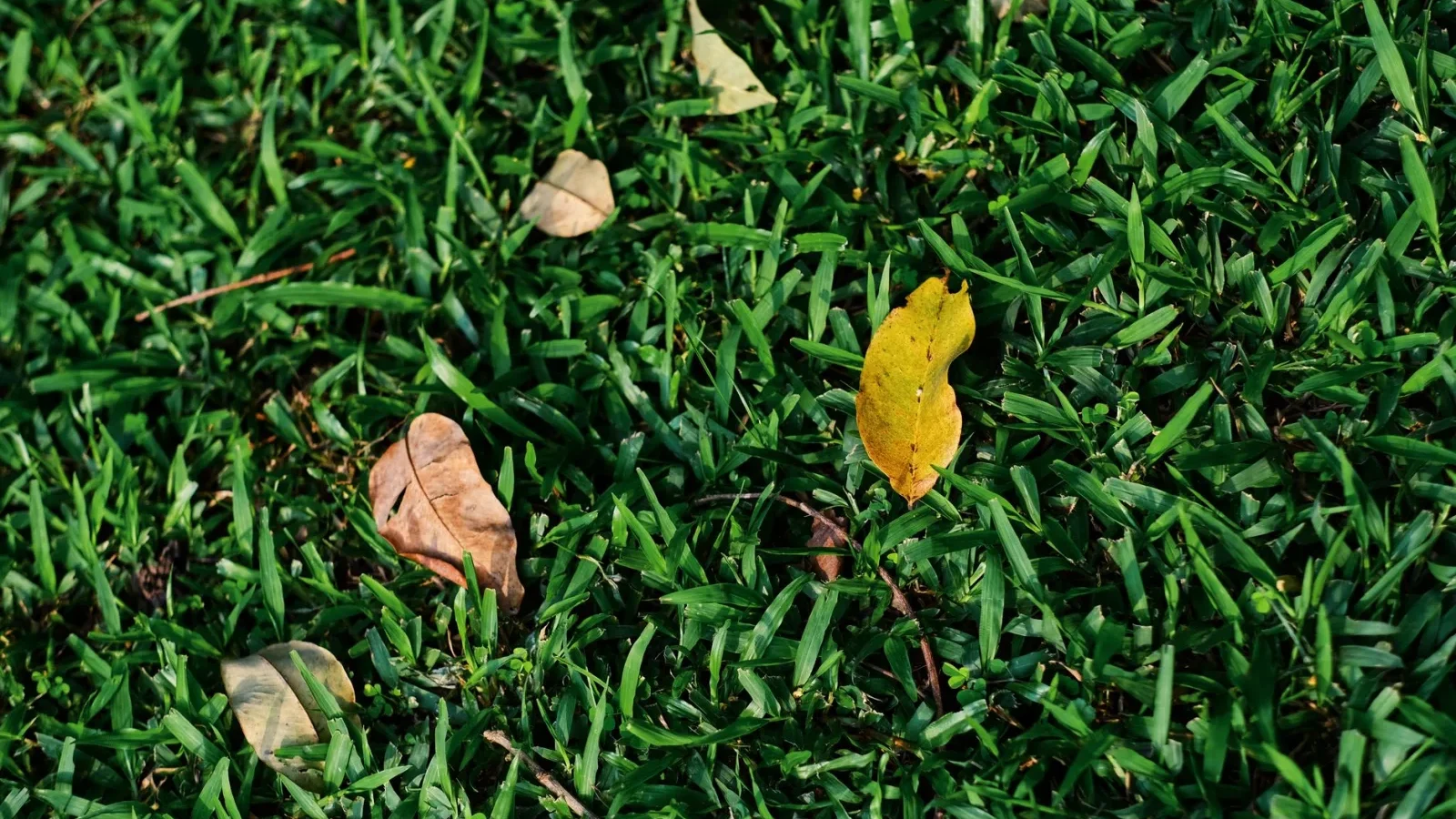
The grass over one corner of your yard is suddenly greener than everywhere else, or there’s a soggy patch that never quite dries out, and a quiet worry sets in: is my drain field failing? That patch of ground is the most expensive part of your septic system to replace, so the early signs are worth knowing cold. After years on my own system, I’ve learned the field almost always whispers before it shouts.
In this guide you’ll learn the seven drain field failure signs to watch for, what each one is telling you underground, how urgent it is, and when to stop guessing and call a professional.
Key Takeaways
- The most reliable early sign is surfacing effluent: soggy ground or standing water over the field even when it hasn’t rained.
- Watch for the “greener grass” patch, sewage odors outdoors, and slow drains that only improve overnight.
- A drain field replacement can run from several thousand dollars to $20,000 or more, so catching signs early matters.
- Two or more of these signs together usually means the field, not just the tank, is in trouble.
- When effluent reaches the surface, treat it as a health issue and call a septic pro promptly.
Why the Drain Field Fails in the First Place
Your drain field, also called a leach field, is where partially treated wastewater from the tank soaks into the soil. The soil is the real filter, and it does its job through tiny pore spaces that let liquid pass and let air reach the bacteria that finish the cleaning.
Over the years, a layer of solids and slime called the biomat builds up along the trench walls. A thin biomat is healthy and helps treatment. A thick, clogged biomat is not: it seals the soil so water can no longer soak away. When that happens, effluent has nowhere to go but up and out. If you want the full picture of how this final stage works, our primer on what a leach field is and how it works lays it out in plain English.
Most failures trace back to a few causes: skipping tank pumping so solids wash into the field, overloading it with too much water, compacting the soil by driving over it, or simple old age. Knowing the cause helps, but spotting the symptoms early is what saves you money.

The 7 Signs of Drain Field Failure
Here are the warning signs I check for, roughly in the order they tend to appear. No single sign is proof on its own, but the more of these you tick off, the more likely your field is the problem.
1. Soggy ground or standing water over the field
This is the classic tell. If the ground over your drain field is spongy underfoot or holds puddles when the rest of the yard is dry, effluent is surfacing instead of soaking in. Rule out a rainy week first, but persistent wetness over the field alone is a strong red flag.
2. Bright green, fast-growing grass in one strip
A stripe of lush, dark-green grass that grows faster than the surrounding lawn is a giveaway. Effluent is fertilizing that patch from below because it’s rising too close to the surface. On my own system, this greener line showed up a full season before any water pooled.
3. Sewage or rotten-egg odors outdoors
A faint sewer or rotten-egg smell drifting across the yard, especially near the field, means gases and effluent are escaping at the surface. A well-working field is nearly odorless outside. Persistent outdoor odor near the trenches points to the field rather than a vent or tank lid.
4. Slow drains and toilets that recover overnight
When the whole house drains slowly during heavy use but seems fine the next morning, the field may be struggling to accept water as fast as you send it. Overnight, the backlog slowly seeps away, so things “recover.” That daily cycle is an early field-capacity warning.
5. Backups that return soon after pumping
Pumping the tank should buy you years. If drains slow or back up again within weeks of a pump-out, the tank isn’t the bottleneck: the field can’t take the water. A short-lived fix after pumping is one of the clearest signs the field itself is failing.
6. Effluent surfacing or gurgling at the fixtures
Gurgling toilets, air bubbling up in drains, or grayish water backing into the lowest fixtures signal that wastewater has nowhere to go. When the field is sealed, the whole system pressurizes, and you hear and see it inside the house.
7. A failed dye or inspection test
If a technician runs dye through the system and it surfaces in the yard, or a scheduled inspection flags high effluent levels in the distribution box, that’s confirmation rather than a guess. This is often how a marginal field gets caught during a home sale.
Quick tip: walk the field after a big water day
The easiest early check costs nothing. After a heavy-use day (guests, several loads of laundry), walk slowly over your drain field the next morning in old shoes. If the ground squishes, smells, or has a bright-green stripe when the rest of the lawn is dry, note the spot and the date. A short log of these observations is gold when you talk to a professional.
How Urgent Is Each Sign?
Not every sign means an emergency today. This table sorts what I watch for by how quickly it usually needs attention, so you know whether to schedule a call or make one now.
| Sign | What it usually means | Urgency |
|---|---|---|
| Greener grass stripe | Effluent rising near the surface | Low: watch and log |
| Slow drains that recover overnight | Field near its daily capacity | Moderate: schedule an inspection |
| Backups soon after pumping | Field can’t accept water | Moderate to high: call a pro |
| Outdoor sewage odor | Gases and effluent escaping | High: call soon |
| Standing water / soggy ground | Effluent surfacing | High: health concern |
| Sewage backing into the house | System fully backed up | Urgent: stop water, call today |
Treat this as a starting point, not a diagnosis. Soil, climate, and system age all shift the picture, which is why a single soggy patch after a rainstorm reads very differently from standing water in a dry August week.
A Real Example From My Own Yard
Two summers ago I noticed a three-foot-wide band of grass over my field growing noticeably faster and darker than the rest of the lawn. No odor, no wet spots, nothing else wrong. I almost ignored it. Instead I wrote the date down and started walking the field every weekend.
By late fall, that same strip stayed damp two days after a laundry-heavy weekend, though it hadn’t rained. That second sign was my cue. I pulled my records, saw the tank was overdue, and had it pumped ($380 in my area) while a technician checked the distribution box. The field was stressed but not dead, and easing my water use plus that overdue pumping bought it more time. Had I waited for standing water, I’d likely have been staring down a replacement instead.

What to Do When You Spot the Signs
If one or more of these signs shows up, work through these steps in order rather than panicking or ignoring it.
- Ease off the water. Spread out laundry, fix running toilets, and cut back on long showers. Less water gives a struggling field a chance to catch up.
- Note what you see and when. Record the spot, the date, recent water use, and the weather. Patterns tell a pro far more than a single snapshot.
- Check your pumping records. If the tank is overdue, book a pump-out. Clearing solids protects whatever field life remains.
- Keep traffic and roots off the field. Don’t drive, park, or build over it, and skip deep-rooted plants that can worsen a marginal field.
- Call a septic professional. For odor, standing water, or backups, get a licensed inspector or septic contractor to assess the field directly.
Whether the field can be nursed along or needs work depends on how far gone it is. Our guide to repairing versus replacing a bad drain field walks through that decision with realistic costs, and the full complete guide to your septic drain field covers protection and recovery in depth. You can browse every related article in the Drainfield category.
When surfacing effluent is a health issue
Standing wastewater and surfacing effluent carry bacteria and pathogens. Keep children and pets off any wet or smelly area of the yard, wear gloves if you must go near it, and don’t let it drain toward a well or waterway. This is one of the situations the U.S. EPA’s SepticSmart program stresses, and it warrants a professional call rather than DIY experimentation.
Signs It’s the Field, Not Just the Tank
Some symptoms overlap with a simply full tank, so it helps to know what tilts the diagnosis toward the field itself.
- Problems return quickly even after a proper pump-out.
- The wet spots, odor, or green grass sit over the field trenches, not the tank.
- Symptoms track with total water use over days, not a single clogged fixture.
- A dye test surfaces in the yard, or an inspector reports high effluent levels in the distribution box.
If those line up, you’re likely looking at the field. A single slow drain with a dry yard, by contrast, is usually a local clog and nothing to lose sleep over.
Frequently Asked Questions
What are the first signs of a failing drain field?
The earliest signs are usually subtle: a stripe of unusually green, fast-growing grass over the field, or ground that stays soggy when the rest of the yard is dry. Slow drains that recover overnight often follow. Standing water and outdoor sewage odor tend to come later, once effluent is truly surfacing.
Can a failing drain field be fixed or does it need replacing?
It depends on how far gone it is. A stressed field caught early can sometimes recover with reduced water use, overdue pumping, and rest. A field with a fully clogged biomat or surfacing effluent often needs partial or full replacement. A septic professional can tell you which situation you’re in after an inspection.
Why is the grass greener over my septic drain field?
A greener, faster-growing stripe means effluent is rising close to the surface and fertilizing the grass from below. In small amounts that’s normal, but a sharply greener band that’s much lusher than the rest of the lawn suggests wastewater isn’t soaking away as it should and the field may be starting to struggle.
How much does it cost to replace a drain field?
Replacement varies widely with size, soil, and local rules, but it commonly runs from several thousand dollars up to $20,000 or more. Because it’s the most expensive part of a septic system to replace, spotting failure signs early and easing the load on the field can be well worth the effort.
Is standing water over my drain field an emergency?
Persistent standing water or surfacing effluent is a health concern and should be treated as urgent. Keep people and pets away from the wet area, reduce water use in the house, and call a licensed septic professional promptly. Don’t wait for it to dry out on its own, especially if there’s an odor.
Conclusion
Your drain field rarely fails overnight. It whispers first with a greener stripe of grass, a slow drain that recovers by morning, or a soggy patch that lingers, then it shouts with odor, standing water, and backups. Learning to read those whispers is the cheapest insurance you have against a five-figure repair. Walk your field now and then, keep a short log, and act early when the signs stack up. When you’re ready to plan your next move, the complete guide to your septic drain field is a calm place to start.