
The drain field is the quietest part of your septic system right up until the day it isn’t — and by then a soggy yard or a slow-draining house has already told you it’s in trouble. Here’s the uncomfortable truth I learned early as a septic owner: the field is the single most expensive component to replace, and almost everything that kills it is something a homeowner did on the surface without thinking. The good news is that protecting it is mostly a matter of habits, not money. In this checklist you’ll get a clear, grab-and-go list of what to keep off, out of, and away from your drain field — plus why each rule matters.
Key Takeaways
- Keep all vehicle and heavy equipment traffic off the field — soil compaction is the most common homeowner-caused failure.
- Plant only grass or shallow-rooted cover; keep trees at least 20 to 30 feet away from the pipes.
- Divert roof, gutter, and surface water so nothing extra drains onto the field.
- Spread water use through the week and pump the tank every 3 to 5 years to keep solids out of the field.
- Know where your field is and mark it, so you and every contractor avoid it by default.
A drain field (also called a leach field) is a network of perforated pipes buried in gravel-filled trenches, usually a foot or two below the surface. Liquid that has already been partly treated in your tank trickles out of those pipes and soaks slowly down through the soil, where microbes finish cleaning it. That process depends on three fragile things: loose soil, oxygen, and steady, moderate flow. Nearly every item on this checklist protects one of those three. If you want the full picture of how the field fits into the system, start with our complete guide to your septic drain field.
Keep Weight and Traffic Off the Field
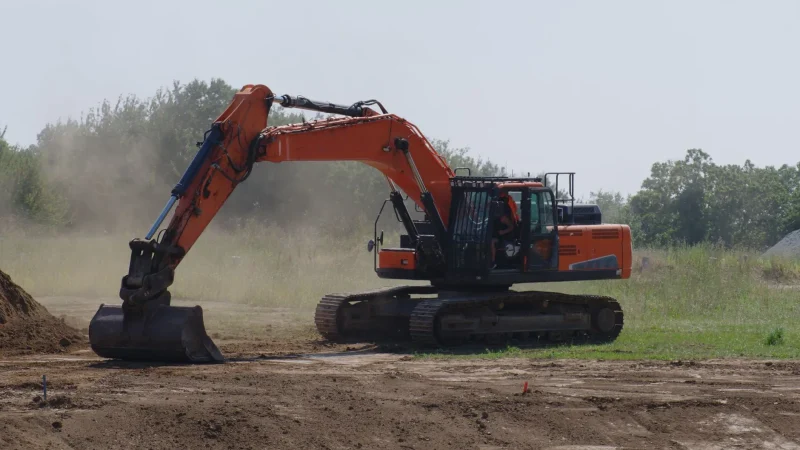
The number-one thing that quietly destroys drain fields is compaction. When you drive, park, or store heavy objects on top of the field, the weight squeezes the air out of the soil and crushes the gravel trenches. Compacted soil can’t absorb water, and the field starts backing up even though nothing inside the tank has failed.
- No cars, trucks, RVs, or trailers — even one drive-across leaves a footprint, and repeated parking is worse.
- No tractors, skid steers, or delivery trucks. Warn any contractor before work begins; they won’t know where the field is.
- No sheds, decks, patios, pools, or trampolines. Anything with a footing or standing weight is off-limits.
- No firewood piles, gravel heaps, or stored materials. Sustained weight compacts soil the same way a vehicle does.
- No livestock pens or heavy foot-traffic paths. Even hooves and constant walking pack the ground over time.
The costliest mistake I see: homeowners let a concrete truck, dumpster, or moving van roll across the yard during a project, never realizing the drain field runs right under the tire tracks. One heavy pass on saturated ground can collapse a trench. Before any big delivery or build, flag the field and route traffic around it.

Control What Grows Over and Around It
Roots are the second great enemy of a drain field. They’re drawn straight to the moisture and nutrients inside your leach lines, and once they slip into a pipe seam they grow into it and choke the flow. What you plant — and what you refuse to plant — makes a real difference in how long the field lasts.
- Do plant turf grass. It’s the ideal cover: shallow roots, holds the soil, and pulls excess moisture out of the ground.
- Do keep the surface planted and mowed. Bare soil erodes; a low, open lawn also lets you spot wet patches early.
- Don’t plant trees or large shrubs within 20 to 30 feet — farther for thirsty species like willow, poplar, and silver maple.
- Don’t grow vegetables or edible plants over the field; effluent in the soil can carry bacteria onto anything you’d eat.
- Don’t add raised beds, thick mulch, or landscape fabric. They trap moisture and block the evaporation the field depends on.
For a full rundown of safe, good-looking options, see our guide to the best plants to grow over a septic drain field. The short version: shallow roots only, and keep the woody stuff well away.
Manage the Water That Reaches It
A drain field can only absorb so much water at a time. Overload it — either from inside the house or from surface runoff outside — and it stays saturated, can’t treat wastewater properly, and eventually surfaces or backs up. Two kinds of water matter here: the water you send it and the water the weather sends it.
Water from inside the house
- Spread laundry across the week instead of running six loads on Saturday.
- Fix running toilets and dripping faucets fast — a single running toilet can add hundreds of gallons a day.
- Install low-flow fixtures and space out showers, dishwasher, and laundry.
Water from outside the house
- Aim downspouts and gutters away from the field, not toward it.
- Regrade low spots so rain and snowmelt drain elsewhere.
- Keep sump-pump and foundation-drain discharge far from the leach lines.
According to the U.S. EPA’s SepticSmart program, routing roof drains, sump pumps, and rainwater away from the drain field is one of the simplest ways to prevent it from getting waterlogged. Excess water on the field slows treatment and shortens its life.

Protect It From the Inside: Tank Habits That Matter
What happens in the tank decides what reaches the field. The tank’s whole job is to hold back solids and grease so only liquid moves on. When the tank is neglected, solids escape and clog the soil pores in the field — damage that no amount of surface care can undo.
- Pump the tank every 3 to 5 years (more often for a big household or small tank) so solids never reach the field.
- Keep grease, fats, and oils out of the drains — they float to the outlet and drift into the lines.
- Never flush wipes, hygiene products, or “flushable” anything. They don’t break down and end up in the field.
- Go easy on the garbage disposal. It sends extra solids the tank has to hold and eventually pass along.
- Skip harsh chemicals and bleach in quantity — they kill the bacteria doing the work.
Adding an effluent filter at the tank outlet is cheap insurance here. For the broader routine that keeps solids where they belong, our step-by-step guide on how to protect your drain field ties the tank habits and field habits together.
The Quick-Reference Protection Checklist
Here’s the whole thing in one scannable table — print it, tape it inside a cabinet, or hand it to anyone doing yard work.
| Do | Don’t |
|---|---|
| Cover the field with mowed grass | Drive or park any vehicle on it |
| Keep trees 20–30+ feet away | Plant trees, shrubs, or a garden on it |
| Divert gutters and runoff away | Aim downspouts or sump water at it |
| Spread water use through the week | Dump large water loads all at once |
| Pump the tank every 3–5 years | Flush wipes, grease, or chemicals |
| Mark and map the field’s location | Build a shed, deck, or pool over it |
Tip from my own yard: I walked off my field once, counted the paces, and drove a few discreet landscape stakes at the corners. Now when a contractor asks “where’s the septic?” I can point in five seconds — and I never have to wonder if I’m about to park the mower trailer on the wrong spot.
Put the Checklist to Work: A Simple 15-Minute Routine
Reading a list is one thing; building it into your year is what actually saves the field. Here’s the routine I follow, and it takes about fifteen minutes a season.
- Locate and mark the field. Find it from your permit drawing or a probe, then set discreet markers at the corners.
- Walk the surface. Look for wet spots, spongy ground, unusually green stripes, or any odor — all early warning signs.
- Check the perimeter. Confirm no new vehicle tracks, stored materials, or encroaching tree roots have appeared.
- Inspect your water routing. After a hard rain, verify gutters and runoff still drain away from the field, not onto it.
- Review your pumping calendar. If it’s been close to 3–5 years, schedule a pump-out before the next season of heavy use.
If the walk-through ever turns up standing water, sewage odor, or drains that are slow all over the house, stop the DIY routine and call a licensed septic professional. Those are signs the field may already be struggling, and early expert eyes are far cheaper than a replacement.
Frequently Asked Questions
Can you drive over a septic drain field?
No. Driving or parking on the field compacts the soil and can crush the gravel trenches and pipes below. Even a single pass by a heavy vehicle on wet ground can cause damage. Keep all cars, trucks, RVs, tractors, and delivery vehicles off the field, and route contractors around it.
What is the best cover for a septic drain field?
Mowed turf grass is the best cover by far. Its shallow roots hold the soil, it pulls excess moisture from the ground, and it lets you spot wet patches or over-green stripes early. Grass also keeps the surface open so the field can breathe, which dense beds and thick mulch prevent.
How far should downspouts be from a drain field?
Aim gutters, downspouts, and sump-pump discharge well away from the field — several yards at minimum, and farther if the ground slopes toward it. Extra surface water keeps the field saturated so it can’t absorb and treat wastewater properly. Regrade any low spots that funnel rain or snowmelt onto the leach lines.
Does pumping the tank protect the drain field?
Yes, directly. Pumping every 3 to 5 years removes the solids that would otherwise escape the tank and clog the soil pores in your field. Once those pores clog, the field can’t absorb water and the damage is usually permanent. Regular pumping is one of the cheapest ways to protect an expensive field.
Can I build a patio or shed over my drain field?
No. Any structure with footings or standing weight compacts the soil, blocks the evaporation the field relies on, and makes future repairs impossible. That includes patios, decks, sheds, pools, and trampolines. Keep the field as open lawn, and put permanent structures well clear of both the field and the tank.
Conclusion
Protecting a drain field isn’t complicated — it’s mostly about respecting the invisible rectangle in your yard and not asking it to do more than it can. Keep weight off, keep roots away, keep water in check, and keep solids out from the tank side, and a healthy field can serve you for decades. Run the seasonal walk-through, mark the field so everyone avoids it, and you’ll catch small problems long before they turn into a five-figure surprise. When you’re ready to go deeper on any single habit, browse the rest of our drain field guides for the full picture.