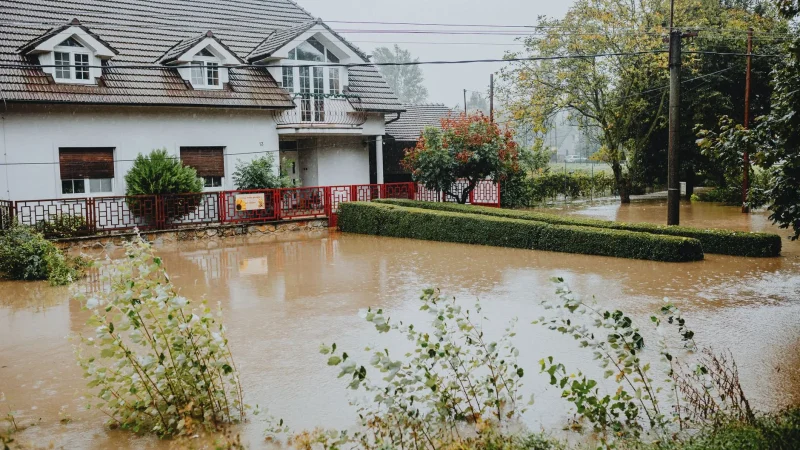

Sewage is bubbling up in the shower, the yard near the tank has gone soggy overnight, or a foul smell has taken over the house, and your first feeling is pure panic. In that moment it’s easy to make the situation worse by flushing again, poking around, or freezing up entirely. After years on my own septic system, I’ve learned that the first ten minutes matter more than almost anything else you do afterward.
This checklist walks you through exactly what to do first when a septic emergency hits, in a calm and sensible order, so you protect your family, your home, and your wallet while you get the right help.
Key Takeaways
- The single most important first step: stop all water use in the house immediately. Every flush and load adds to a system that can’t move it.
- Keep people and pets away from any sewage; backed-up wastewater carries bacteria and is a real health hazard.
- Do not open the septic tank yourself. The gases inside can be deadly, and it rarely helps.
- Call a licensed septic pump or repair company; an emergency pump-out often runs about $300 to $600 and can relieve a full tank fast.
- Write down what you saw and when it started. It speeds up the diagnosis and can matter for insurance.
First, Know What Counts as a Septic Emergency
Not every hiccup is a five-alarm event. Knowing the difference keeps you from panicking over a minor issue or, worse, shrugging off a real one. A true emergency usually means sewage is escaping where it shouldn’t, or the system has stopped moving water at all.
Treat it as an emergency if you see any of these: raw sewage backing up into a tub, sink, or floor drain; wastewater surfacing in the yard over the tank or drain field; a strong sewer-gas smell inside the home; or multiple fixtures backing up at the same time. Any one of these means stop and act now.
- Sewage backing into the lowest drains (basement or first-floor toilet, tub, or floor drain)
- Standing wastewater or bright-green, spongy grass over the drain field
- A septic alarm sounding with a high-water warning
- Strong rotten-egg or sewer odor that won’t clear with ventilation
- Several fixtures draining slowly or gurgling all at once
If you’re not sure whether what you’re seeing is urgent, our roundup of the signs your septic system is failing can help you read the warning signs before they turn into a full backup.
The Septic Emergency Checklist: What to Do First
Here is the exact order I follow when something is actively going wrong. Work through it top to bottom. The early steps cost nothing and stop the problem from getting bigger while you line up help.
- Stop using water everywhere. Tell everyone in the house to stop flushing toilets, running sinks, showering, and doing laundry. This is the highest-impact thing you can do, and it’s free.
- Turn off any water-heavy appliances. Pause the dishwasher and washing machine mid-cycle if they’re running. A single load can push a struggling system over the edge.
- Keep people and pets away from the sewage. Backed-up wastewater carries bacteria and viruses. Close off the affected room, wear rubber gloves and boots if you must enter, and don’t let kids or pets near it.
- Ventilate the area. Open windows and doors to clear sewer gas indoors. If the smell is overpowering or you feel dizzy, get everyone outside and into fresh air.
- Check your septic alarm panel, if you have one. Note whether a red light or high-water alarm is on. Write it down for the technician, but don’t keep silencing and resetting it.
- Do not open the tank or dig. The gases inside a septic tank can knock you unconscious in seconds. Leave the lid closed and let a professional handle it.
- Call a licensed septic company. Ask for emergency service and describe what you’re seeing. Many pumpers offer same-day or after-hours visits for active backups.
- Document everything. Snap phone photos of surfacing water, backups, and the alarm panel. Note the time it started and any recent heavy water use.
Once you’ve stopped the water and made the call, the emergency is largely contained. The rest is cleanup and diagnosis, which the pro will guide you through.
Never enter or lean into an open septic tank
This is the one rule I never bend. Septic tanks produce hydrogen sulfide and methane, which can cause you to lose consciousness almost instantly, and people have died trying to retrieve a dropped item or “just take a look.” No clog is worth that risk. If a lid is loose or broken, keep children and pets far away and call a pro to secure it.
How to Prioritize When It’s Chaos
When several things go wrong at once, it helps to know what’s a life-safety issue, what’s an act-fast issue, and what can wait an hour. This table sorts common emergency scenes so you don’t waste your first minutes on the wrong thing.
| What you’re seeing | Urgency | Your first move |
|---|---|---|
| Strong sewer gas, dizziness indoors | Life-safety | Get everyone outside, ventilate, then call |
| Sewage backing into tubs or floor drains | Act now | Stop all water use, isolate the room |
| Wastewater surfacing in the yard | Act now | Stop water use, rope off the wet area |
| High-water alarm sounding, no backup yet | Act soon | Reduce water use, call for a check today |
| One slow drain, nothing else affected | Can wait | Likely a local clog, not a system emergency |
If only one fixture is misbehaving and the yard is dry, take a breath. That’s usually a local clog rather than a system-wide failure, and it doesn’t call for the emergency playbook above.
A Real Emergency From My Own Yard
One Thanksgiving, with a full house of guests, I walked past the drain field and found a soft, sour-smelling wet patch that hadn’t been there the day before. Inside, the basement toilet had started gurgling every time someone upstairs ran water. My gut said “big problem,” and it was right.
I didn’t touch the tank. I asked everyone to stop using water, paused the dishwasher, roped off the wet spot in the yard, and called an emergency pumper. They arrived that afternoon, pumped the overloaded tank for about $450, and confirmed the field was fine. Because I stopped water use in the first five minutes, we avoided sewage in the house entirely. That single habit turned a potential disaster into an expensive but manageable afternoon.
After the Immediate Danger Passes
Once the pro is on the way or the tank is pumped, you can shift from crisis mode to cleanup and prevention. Do these in order over the following day or two.
- Clean and disinfect any indoor sewage safely. Wear gloves, use a bleach solution, and bag contaminated materials. For large spills, a restoration service is worth the cost. The U.S. EPA’s SepticSmart program is a solid reference for handling and preventing these situations.
- Keep water use light for a few days. Spread out laundry and showers so a freshly pumped tank isn’t slammed again right away.
- Ask the technician what caused it. A full tank, a clogged filter, a failing field, and a blocked line all have different fixes and different price tags.
- Schedule any recommended repairs. Don’t put off a fix the pro flags; the next backup is usually worse and more expensive.
- Update your maintenance records. Note the date, cost, and cause so you can set a smarter pumping schedule going forward.
Quick tip: keep an emergency card near the tank records
Before anything ever goes wrong, tape an index card inside a kitchen cabinet with your septic company’s number, your tank size, and the date it was last pumped. In an actual emergency, hunting for a phone number while sewage rises is the last thing you want to do. Mine has saved me a frantic search more than once.
What Not to Do in a Septic Emergency
Some instinctive reactions make things worse. Steer clear of these while you wait for help.
- Don’t pour chemical drain cleaners down the pipes. They can kill the tank’s beneficial bacteria and won’t clear a system backup.
- Don’t keep flushing to “push it through.” You’re only adding water the system can’t handle.
- Don’t drive or park over the drain field to inspect it; compaction damages the field.
- Don’t ignore a high-water alarm for days hoping it clears on its own.
- Don’t attempt to pump or dig out the tank yourself.
To understand the root causes behind most emergencies, from an overdue pump-out to a failing field, see our guide to common septic backup causes and fixes. For the full symptom-to-solution map, our complete septic troubleshooting guide routes each warning sign to its own fix, and quick answers to the “is this an emergency?” questions live in our septic problem FAQ.
Frequently Asked Questions
What is the first thing to do in a septic emergency?
Stop all water use in the house immediately. Every flush, shower, and load of laundry adds wastewater to a system that can’t move it, which pushes sewage further into your home or yard. Once water use stops, keep people away from any sewage and call a licensed septic company for emergency service.
Should I open my septic tank if it’s backing up?
No. Never open or enter a septic tank. The hydrogen sulfide and methane gases inside can cause you to lose consciousness in seconds and have proven fatal. Opening the lid rarely fixes a backup anyway. Leave the tank closed and let a trained professional handle the inspection and pump-out.
How much does an emergency septic pump-out cost?
An emergency pump-out often runs about $300 to $600, though after-hours and weekend calls can cost more. If the problem is a damaged line or a failing drain field rather than a full tank, repairs climb much higher, sometimes into the thousands. A professional diagnosis tells you which situation you’re facing.
Is sewage backing up into my house dangerous?
Yes. Raw sewage carries bacteria, viruses, and parasites that can make people and pets sick. Keep everyone away from the affected area, wear gloves and boots if you must enter, ventilate the space, and disinfect thoroughly during cleanup. For large indoor spills, hiring a restoration service is the safest choice.
Can I use my toilet while waiting for the septic company?
Avoid it if you can. Adding water while the system is backed up makes the situation worse and can push more sewage into the house or yard. If you must use a bathroom, keep it to an absolute minimum and stop the moment you notice water rising anywhere else.
Conclusion
A septic emergency feels overwhelming, but the response is simpler than the panic suggests: stop the water, keep everyone safe, leave the tank alone, and call for help. Do those four things in the first few minutes and you’ve already handled the hard part. Keep this checklist somewhere handy so it’s not the day of a backup that you go looking for it. When the crisis passes and you’re ready to prevent the next one, our Problems category has calm, practical guides for every warning sign your system might send.