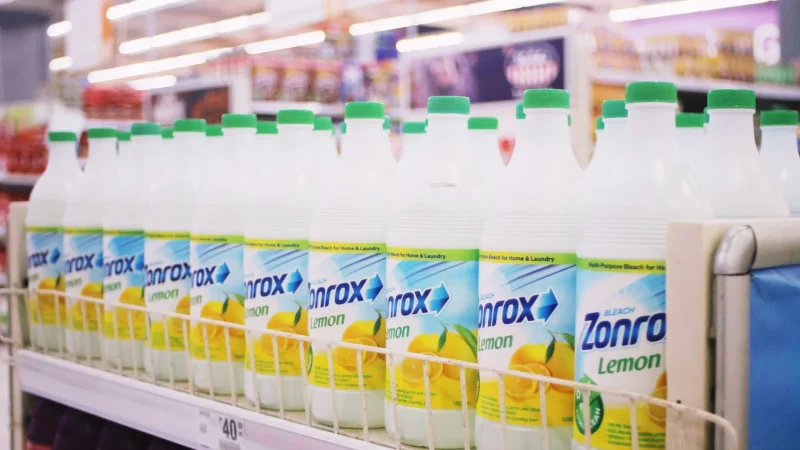

You are standing in the store aisle holding a jug that promises to “revive your septic system,” and you have no real way to know if it does anything at all. That is exactly where most of us waste money on our systems. After years of buying, testing, and quietly regretting a shelf full of septic products on my own tank, I have boiled the decision down to a repeatable checklist. This guide gives you that septic product buying checklist so you can vet any bottle, filter, or gadget in about two minutes and walk out with only what earns its price.
Key Takeaways
- Run every purchase through the same 8-point checklist before it reaches the register.
- “Septic-safe” is a marketing phrase, not a certified standard, so read the ingredient panel, not the front label.
- Hardware like effluent filters and risers is almost always worth it; most monthly additive subscriptions are not.
- Match the product to a problem you actually have, not to a problem the label invented.
- Keep a running list of what worked so you stop re-buying the same disappointments.
Why a Checklist Beats Trusting the Label
Septic products live in a strange corner of the store. The category is loosely regulated, the buyers are often first-time owners who feel a little out of their depth, and the packaging is designed to sell fear. That combination is a recipe for overspending.
A checklist fixes this because it forces the same questions on every product, no matter how confident the box sounds. Instead of reacting to phrases like “restores bacterial balance,” you ask: what does this actually do, do I have that problem, and is there cheaper proof it works? On my own system, adopting a simple vetting routine cut my product spending by more than half in a single year without changing how the tank performed.
If you want the deeper background on the whole category before shopping, our complete septic-safe products buyer’s guide covers additives, filters, cleaners, and alarms in one place. This article is the shorter, in-the-aisle companion to it.

The 8-Point Septic Product Buying Checklist
Here is the core of what to check on any septic product before you buy. You do not need to hit every point perfectly, but if a product fails three or more of these, put it back on the shelf.
- Does it solve a problem I actually have? Name the specific issue first. If you cannot, you do not need the product.
- What does the ingredient or spec panel say? Read the back, not the front. Vague “proprietary blend” language is a warning sign.
- Is the “septic-safe” claim backed by anything? Look for a listed standard, a certification, or a plain ingredient list you can verify, not just the phrase itself.
- Is it hardware or a consumable? Durable hardware you buy once tends to beat consumables you re-buy forever.
- What is the true yearly cost? Multiply the price by how often you must repurchase. A cheap monthly bottle can outspend a pump-out.
- Does it make a claim that sounds too good? “Never pump again” and “dissolves all sludge” are red flags.
- Can I return it or is it a subscription? Avoid auto-ship for anything you have not tested for a full cycle.
- Would a pro recommend it? If your pumper or county health office has never mentioned it, be skeptical.
Tip: Snap a photo of the ingredient panel with your phone before you buy. Standing in the aisle, a quick search on the two or three named ingredients tells you more than the entire front label. If nothing credible comes up, that is your answer.
Decode the Front-of-Box Language First
The single biggest money-saver is learning that “septic-safe” is not a regulated, certified term the way “USDA Organic” is. It is a marketing phrase any manufacturer can print. That does not make it meaningless, but it means the label alone is not proof.
For a full explanation of what actually earns that label, our guide on what makes a product septic-safe is worth a five-minute read before your next shopping trip. The short version: a genuinely septic-friendly product is low in harsh disinfectants, biodegradable, and does not dump anything that kills the bacteria doing the real work in your tank.
Marketing Words vs. What They Mean
| What the label says | What to actually check |
|---|---|
| “Septic-safe” | Ingredient list; look for low bleach, no antibacterial claims |
| “Restores healthy bacteria” | Whether your tank has a bacteria problem at all (usually it does not) |
| “Reduces pumping” | Nothing safely eliminates pumping; treat as unproven |
| “Enzyme-powered” | Enzymes vs. live bacteria; different jobs, neither replaces pumping |
| “Professional strength” | Real spec numbers; the phrase itself means nothing |
Because so many bold claims fall apart under a little scrutiny, it is worth reading how septic product claims hold up against the facts before you trust any promise printed in big type. It will make you a much harder sell in the aisle.
Where Your Money Is Usually Well Spent
Not every septic purchase is a waste. In my experience the products that consistently earn their keep are the boring, durable ones that make the system easier to service or protect the parts that cost thousands to replace.
- Effluent filter: A cheap part, often under $50, that keeps solids from reaching and clogging your drainfield. This is one of the best-value buys on the list.
- Riser and secure lid: Raising the access point to grade makes every future inspection and pump-out easier and safer. You buy it once.
- A quality septic alarm: For pump-based systems, an alarm that actually alerts you before an overflow is money well spent.
- Septic-safe toilet paper: A genuine consumable worth choosing carefully, since it goes down the drain every day.
Notice the pattern: these either protect an expensive component or reduce daily strain on the tank. That is the sweet spot. A $40 filter that shields a $15,000 drainfield is not really a cost, it is insurance.
Where Your Money Usually Disappears
The other side of the checklist is knowing what to skip. The biggest budget drain is the monthly additive subscription. Most healthy household tanks already grow all the bacteria they need from normal waste. Adding more, month after month, rarely changes anything you can measure.
Here is a quick worked example. Say an additive runs $12 a month on auto-ship. That is $144 a year, or $720 over five years. A standard pump-out in that same five-year window typically costs somewhere around $300 to $600 once. So the “money-saving” additive can quietly outspend the very service it claims to reduce, and you still need to pump.
Watch out: Any product promising you can “never pump again” or that “eliminates the need for pumping” is making a claim no reputable authority supports. The U.S. EPA’s SepticSmart guidance is clear that routine pumping is the backbone of septic care. Treat those promises as a reason to walk away, not a reason to buy.
Other common money-losers include harsh “deep clean” chemical treatments that can actually harm your tank’s bacteria, and one-time “shock” products sold to fix problems that a simple pump-out would solve better and cheaper. When in doubt, spend the money on a professional inspection instead of a mystery bottle.
Build Your Personal Septic Safe Shopping List
The last step is to turn all this into a short, personal septic safe shopping list you keep on your phone. Mine has three sections: buy again, avoid, and one-time hardware. Every time a product works or flops, it moves onto the right list. Within a year you stop making the same mistakes twice.
You can browse the rest of our product write-ups in the Products section to fill in that list with specific, vetted picks. The goal is simple: buy fewer things, buy the right things, and stop paying for shelf-marketing.
Frequently Asked Questions
Does the “septic-safe” label actually mean anything?
It is a marketing phrase, not a regulated certification, so it means less than most people assume. A genuinely safe product is biodegradable, low in harsh disinfectants, and free of antibacterial agents that kill tank bacteria. Read the ingredient panel rather than trusting the front-of-box claim.
What should I always check before buying a septic product?
Confirm it solves a problem you actually have, read the ingredient or spec panel, calculate the true yearly cost, and be wary of any too-good claim like “never pump again.” Hardware you buy once usually beats consumables you re-buy forever. If it fails three or more of these, skip it.
Are monthly septic additives worth the money?
For most healthy household tanks, no. Your system already grows the bacteria it needs from normal waste. A $12 monthly subscription can add up to hundreds of dollars over a few years while doing little you can measure, and it never removes the need for routine pumping.
Which septic products are genuinely worth buying?
The best-value buys protect expensive parts or reduce daily strain: an effluent filter, a riser with a secure lid, a reliable alarm for pump systems, and quality septic-safe toilet paper. These are mostly one-time hardware purchases that pay for themselves by preventing far costlier repairs.
Can any product help me avoid pumping my tank?
No product safely eliminates pumping, and any that claims to should be avoided. Solids build up regardless of what you pour in, and they must be physically removed. The EPA recommends routine pumping, typically every three to five years depending on tank size and household use.
Conclusion
Septic products do not have to be a guessing game. Run every purchase through the same eight questions, treat “septic-safe” as a starting point rather than proof, and spend your money on durable hardware that protects the parts you cannot afford to replace. That habit alone will save most owners real money every year. When you are ready to pick specific items with confidence, start with our complete septic-safe products buyer’s guide and shop the checklist, not the marketing. For more on the science and standards, the EPA SepticSmart program is a solid, non-commercial reference.