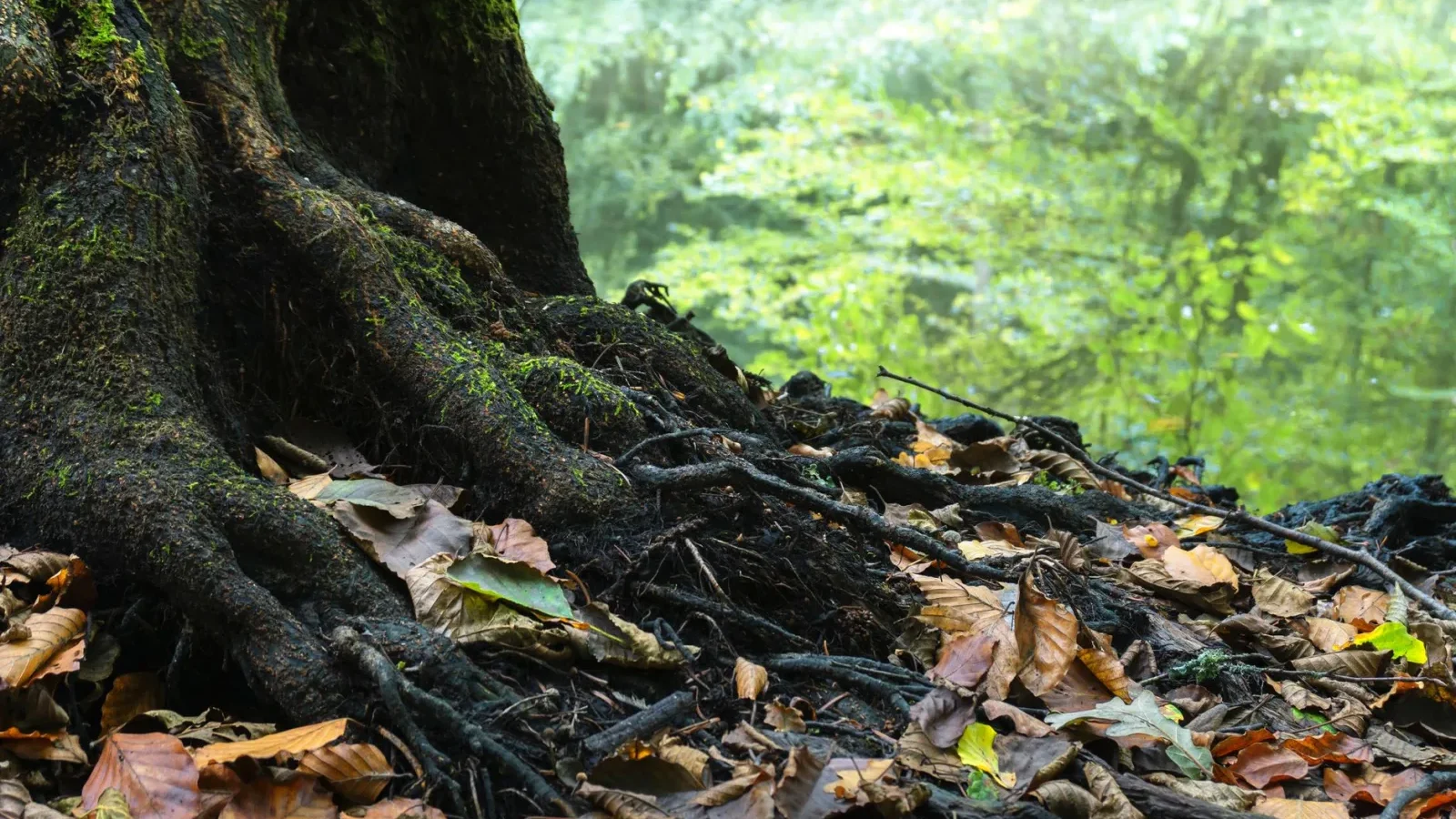
The willow near my back fence looked harmless for years, right up until the toilet at the far end of the house started draining like it was thinking it over. I have owned a rural home on a 1,250-gallon tank for years, and I have learned that tree roots are one of the quietest, most patient threats a septic system faces. They do not announce themselves. They creep toward the water and nutrients your pipes carry and settle in for the long haul. In this deep dive, you will learn exactly how roots invade, the early signs that give them away, and how to make the tough removal-versus-relocation call.
Key Takeaways
- Roots chase moisture and nutrients, so they invade at pipe joints, cracks, and the drain field first.
- The earliest sign is usually one drain that slows and gurgles, months before any backup.
- Plant trees at least as far from the system as their mature height, and keep aggressive species like willow and maple 50-plus feet away.
- Mechanical cutting clears roots but they grow back; removing or relocating the tree is the only permanent fix.
- Ignored root intrusion is a leading path to a failed drain field, a repair that can run several thousand to $20,000 or more.
Why Tree Roots Target Your Septic System
Roots are not out to get you. They are simply following the two things every tree needs most: water and nutrients. A septic system is a buried, steady supply of both. To a root, the ground around your pipes and drain field is the richest soil on your property, and it will grow toward that reward with surprising determination.
The problem is not that roots crash through solid pipe. Instead, they find the weak points. A fine root hair no thicker than a thread slips into a hairline crack, a loose joint, or a gap in an older clay or concrete line. Once inside, it drinks the nutrient-rich moisture and swells. What started as a thread becomes a rope, then a dense mat that catches paper and solids until flow chokes off entirely.
Where Roots Get In First
Not all parts of your system are equally tempting. Roots concentrate where water is easiest to reach:
- The sewer line between the house and tank, especially at pipe joints and any cracked section.
- The drain field, where effluent spreads through perforated pipe into the soil, exactly the moist, feed-rich zone roots love.
- The tank inlet and outlet, where older baffles or gaskets may have gaps.
- The distribution box, whose seams and knockouts can loosen over decades.
Because the drain field is the most fragile and expensive part to replace, root intrusion there is the version that keeps septic owners up at night. It is also why landscaping choices around the field matter so much.

Early Warning Signs of Roots in Septic Pipes
The good news is that roots almost never cause a total failure overnight. They build up slowly, and if you know what to listen and look for, you can catch them months or even years before a backup. In my experience the first sign is usually one specific drain that starts acting up while the rest of the house seems fine.
- A single drain, often the lowest or farthest from the tank, slows down or gurgles when water runs elsewhere.
- Repeated clogs in the same fixture that a plunger or snake fixes only briefly.
- A faint sewage smell in the yard or a patch of grass that is greener and lusher than the rest.
- Soggy or spongy ground over the sewer line or drain field, even in dry weather.
- A camera scope showing white, hair-like root strands hanging into the pipe.
That greener grass is worth explaining. When roots and root-caught debris slow flow, effluent can pool and leak nutrients into the surrounding soil. The grass responds by growing fast and dark green in a stripe or blotch. On my own property, a suspiciously vibrant line of grass over the sewer line was the clue that sent me looking. If your drains are slowing and you are not sure whether roots or something else is to blame, our guide on how to fix slow drains from a septic system walks through the full tiered diagnosis.
Do Not Wait for a Backup
Roots that reach the drain field can permanently clog the soil and perforated pipe. Once effluent stops soaking in, you are often looking at a partial or full field replacement, the single most expensive septic repair there is. Treating a slow drain early is a few hundred dollars. Ignoring it can become a five-figure problem.
How to Confirm Roots Are the Culprit
Slow drains have many causes, so before you blame the oak, confirm it. Here is the ordered approach I use to separate a root problem from a full tank, a grease clog, or a simple local blockage.
- Note the pattern. If only one distant fixture is slow, roots or a local clog are likely. If everything backs up at once, suspect a full tank first.
- Check your pumping records. A tank overdue for service can mimic root symptoms, so rule that out before spending on root work.
- Walk the line. Look for greener grass, soggy spots, or a slight surface dip tracing the path from house to tank to field.
- Snake the line. If a snake pulls back shredded white root strands, or repeatedly hits a springy obstruction at the same depth, that is your answer.
- Scope it. Hire a plumber to run a sewer camera. This is the definitive test and shows exactly where and how bad the intrusion is.
The camera scope is worth the money. It turns guesswork into a clear picture of which section is affected and whether the pipe itself is cracked. Roots are often a symptom of a deeper problem, so a broader look at the things that cause septic system damage can help you spot other issues while you are already investigating.

Removing Roots: Your Real Options
Once you confirm roots, you have a menu of fixes ranging from quick and temporary to permanent and expensive. The right choice depends on how far the intrusion has gone and whether the pipe itself is damaged.
Mechanical Cutting
A plumber runs a powered auger or a spinning cutting head through the line to shred the root mat. This clears flow fast, often the same day. The catch is that cutting does not kill the tree, so the roots regrow. Many owners with a known root spot schedule cutting every one to three years as ongoing management rather than a cure.
Foaming Root Killers
Some products, often containing a root-inhibiting herbicide, foam up inside the pipe to kill roots on contact and slow regrowth. Be careful here. Anything you flush passes through your tank, where it can harm the bacteria that make the system work, and then into your drain field and soil. Only use products labeled as septic-safe, follow the directions exactly, and treat this as a supplement to cutting, not a standalone fix.
Pipe Repair or Relining
If the scope shows a cracked or collapsed section, cutting only buys time because roots will keep returning to the gap. Excavating and replacing the bad section, or lining it with a seamless cured-in-place sleeve, seals the entry point for good. This costs more up front but stops the cycle where cutting cannot.
| Approach | Typical Cost | How Long It Lasts | Best For |
|---|---|---|---|
| Mechanical cutting | ~$100-$400 | 1-3 years | Fast relief, ongoing management |
| Septic-safe foaming treatment | ~$20-$60 per use | Months | Slowing regrowth between cuttings |
| Pipe section repair/reline | ~$1,000-$5,000+ | Decades | Cracked or collapsed pipe |
| Remove or relocate the tree | ~$300-$2,000+ | Permanent | Aggressive tree close to the system |
The Removal-vs-Relocation Decision
Here is the hard truth: as long as a thirsty tree stands near your pipes or field, its roots will keep coming back no matter how many times you cut them. At some point you have to decide whether the tree stays or goes. It is an emotional call, since mature trees are valuable and beloved, but the septic math is usually clear.
When to Remove the Tree
If an aggressive species sits right on top of your line or field and cutting has become an annual ritual, removal is often the cheaper long game. A tree you pay to cut roots from every year for a decade can quietly cost more than removing it once, and it never stops threatening the field. Willows, silver maples, poplars, and elms are notorious offenders and rarely worth the risk close in.
When Relocation or Management Makes Sense
A small or young tree can sometimes be transplanted farther away before its roots do serious damage. For a prized mature tree that is only a moderate threat, some owners install a physical root barrier, a rigid or chemical-treated panel buried vertically between the tree and the system, and manage roots with periodic cutting. This is a compromise, not a guarantee, so weigh it honestly.
Plant Smart the First Time
The cheapest root problem is the one you never create. As a rule of thumb, keep any tree at least as far from your tank, lines, and drain field as its expected mature height, and push fast-growing, water-loving species like willow and maple well beyond 50 feet. Grass and shallow-rooted ground cover are the safest things to grow over a drain field.
For a broader picture of how root trouble fits alongside every other septic warning sign, the US EPA’s SepticSmart program offers solid homeowner guidance on protecting your system. You can read it on the US EPA SepticSmart site.
Frequently Asked Questions
How do tree roots get into septic pipes?
Roots do not break solid pipe. They find weak points such as hairline cracks, loose joints, and gaps in older clay or concrete lines. A thread-thin root slips in to reach the nutrient-rich moisture, then swells over time into a dense mat that catches paper and solids until flow slows or stops.
What is the first sign of roots in a septic system?
Usually a single drain, often the lowest or farthest from the tank, slows down or gurgles while the rest of the house drains normally. Repeated clogs in that same fixture, plus a stripe of unusually green grass over the line, are strong early clues that roots are building up inside the pipe.
Can I get rid of septic roots without removing the tree?
You can clear them temporarily with mechanical cutting and slow regrowth with septic-safe foaming treatments, but roots return as long as the tree stands nearby. For a permanent fix you must repair the entry point in the pipe, install a root barrier, or remove or relocate the tree causing the problem.
How far should trees be from a septic drain field?
A good rule is to keep any tree at least as far away as its mature height. For aggressive, water-loving species like willow, silver maple, poplar, and elm, push that to 50 feet or more. Over the drain field itself, stick to grass and shallow-rooted ground cover for the safest results.
Are chemical root killers safe for a septic system?
Only products specifically labeled septic-safe, and only in the exact dose directed. Anything you flush passes through the tank, where harsh chemicals can harm the bacteria that break down waste, then into your soil. Use these treatments sparingly as a supplement to cutting, never as a routine additive.
Conclusion
Tree roots are patient, but so is a homeowner who knows the signs. Catch that first slow, gurgling drain, confirm the cause with a camera scope, and you can usually handle roots before they ever reach the drain field. The one thing they will not do is stop on their own, so at some point the tree-versus-system decision has to be made honestly. If you are working through symptoms right now, our full septic system troubleshooting guide ties every warning sign to its fix, and you can browse the rest of our septic problems category when you want to get ahead of the next issue.