Most septic systems don’t fail because of one dramatic event. They fail because of small, ordinary habits repeated for years: the wipe flushed “just this once,” the truck parked over the field, the extra bleach in the wash. Having lived on my own system for over a decade and watched neighbors learn these lessons the hard way, I can tell you the damage almost always traces back to something avoidable. In this guide you’ll learn the nine everyday actions that quietly wreck a septic system, why each one does harm, and the simple safer alternative for every single one.
Key Takeaways
- The biggest cause of septic system damage is skipping pumping; aim for every 3 to 5 years.
- Flushing wipes, grease, and chemicals sends solids and dead bacteria straight toward your drain field.
- Driving or building over the drain field compacts soil and crushes pipes, and it’s rarely repairable cheaply.
- Too much water at once floods the tank and pushes solids into the field before they settle.
- Nearly every cause here has a free or cheap safer habit that adds years to the system.
Why Septic Damage Is Usually Self-Inflicted
A well-built septic system is a simple, forgiving machine. Wastewater flows into the tank, solids settle to the bottom as sludge, grease floats as scum, and the clarified liquid in the middle flows out to the drain field to soak into the soil. Left alone with reasonable habits, that process can run smoothly for decades.
The trouble starts when we interfere with that balance. Most damage comes from three broad mistakes: overloading the tank with water, sending it things it can’t break down, or physically harming the buried components. Understanding which of your habits fall into those buckets is the fastest way to stop shortening your system’s life.
The two parts you’re really protecting
Keep in mind what’s at stake. The tank is repairable and even replaceable at a manageable cost, often a few thousand dollars. The drain field is the budget-killer: once its soil clogs, a replacement can run from several thousand dollars to $20,000 or more. Almost every item below is dangerous because it eventually damages that field. For the full map of symptoms and fixes, our complete septic system troubleshooting guide connects each warning sign to its own deep dive.

9 Things That Cause Septic System Damage
Here are the nine offenders I see most often, roughly ordered from most common to most overlooked. For each one, the safer alternative costs little or nothing.
1. Skipping regular pumping
This is the single most common cause of septic damage I run into. Solids never stop building up, and if you never pump, the sludge layer eventually reaches the outlet and flows out to the drain field, where it clogs the soil for good. The tank looks fine from the surface right up until the field is ruined.
Safer habit: pump every 3 to 5 years for a typical household, more often for a small tank or a full house. A pump-out often runs $300 to $600, cheap insurance against a five-figure field replacement.
2. Flushing wipes, “flushable” or not
So-called flushable wipes don’t break down the way toilet paper does. They tangle, snag on baffles, and add to the solids that force early pumping or clog lines. Paper towels, cotton products, and dental floss cause the same trouble.
Safer habit: the rule I keep on a sticky note by the toilet is simple: only pee, poop, and toilet paper go down. A small trash can handles everything else.
3. Pouring grease and fat down the drain
Grease looks liquid in the pan but congeals into the scum layer once it cools in the tank. Too much of it thickens that layer, reduces the tank’s working volume, and can wash out to coat and clog the drain field.
Safer habit: wipe greasy pans with a paper towel and trash it, and pour cooled cooking oil into a can for disposal. Your kitchen drain and your tank will both thank you.
4. Overloading with too much water at once
The tank needs quiet time for solids to settle. Running four loads of laundry, several showers, and the dishwasher in one afternoon sends a surge through the tank that stirs up solids and pushes them out to the field before they can settle. Chronic overloading also keeps the field permanently saturated.
Safer habit: spread laundry across the week, fix running toilets and leaky faucets promptly, and install low-flow fixtures. Easing the load is one of the highest-payoff habits there is.
5. Harsh chemicals and drain cleaners
Your tank runs on living bacteria that digest waste. Dumping bleach, drain cleaner, paint, solvents, or excess antibacterial cleaner can kill off that bacteria, slowing digestion so solids build faster. Strong chemicals are also a common source of a lingering septic odor. If your system already smells off, our guide to getting rid of septic tank smells traces each odor to its cause.
Safer habit: normal household cleaning won’t hurt a healthy system, but skip pouring chemicals down the drain in bulk. Reach for septic-safe products and let the bacteria do their work.
6. Driving or parking over the tank or field
The soil over your drain field needs air pockets to treat and absorb effluent. A car, RV, or delivery truck rolling over it compacts that soil and can crack pipes or the tank lid. This kind of damage is often invisible until the field stops accepting water, and it’s rarely a cheap fix.
Safer habit: keep all vehicles, trailers, and heavy equipment off the tank and drain field. Mark the field’s edges so guests and contractors know where not to drive.
7. Planting trees and shrubs near the field
Roots chase water and nutrients, and a drain field is a buffet. Trees and aggressive shrubs planted too close send roots into pipes, where they clog and crack the lines over a few seasons. Willows, poplars, and other thirsty species are the worst offenders.
Safer habit: keep trees at least as far from the field as their mature height, and cover the field with shallow-rooted grass instead. Grass actually helps by drawing up moisture.
8. Ignoring the effluent filter and early warning signs
Many tanks have an effluent filter at the outlet that catches stray solids before they reach the field. Left uncleaned, it clogs and causes backups. More broadly, ignoring slow drains, gurgles, or faint odors lets a cheap problem migrate downstream. Knowing the early warning signs your septic is failing is what turns a $400 pump into your only bill.
Safer habit: have the filter checked and rinsed at each pumping, and treat any persistent symptom as a scheduling cue rather than background noise.
9. Routing gutters and sump water onto the field
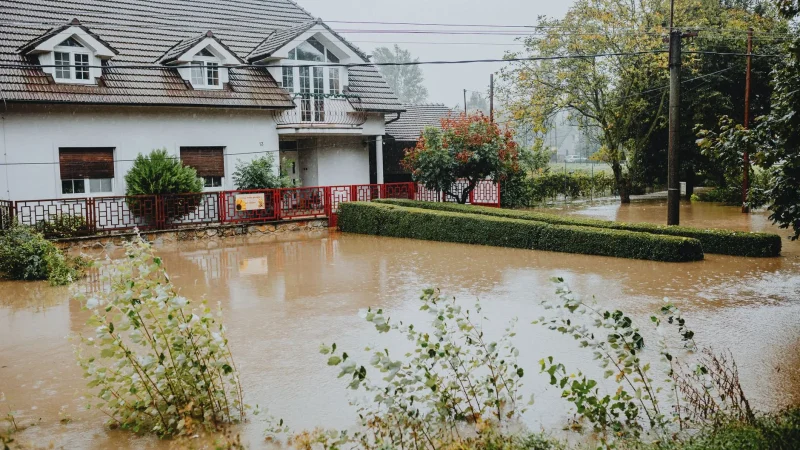
The drain field can only absorb so much water. When downspouts, sump pumps, or a graded slope dump rainwater onto it, the soil stays saturated and can’t accept the effluent it’s actually meant to treat. A soggy field is a failing field.
Safer habit: direct gutters and sump discharge well away from the tank and field, and grade the yard so surface water flows around it, not over it.
The Damage and the Fix at a Glance
If you remember nothing else, remember this table. It pairs each common cause with what it actually damages and the safer habit that prevents it.
| Damaging habit | What it harms | Safer alternative |
|---|---|---|
| Skipping pumping | Solids reach and clog the drain field | Pump every 3 to 5 years |
| Flushing wipes & non-flushables | Baffles, lines, faster solids buildup | Only flush waste and toilet paper |
| Grease down the drain | Thick scum layer, clogged field | Trash cooled grease and oil |
| Too much water at once | Pushes solids into the field | Spread out water use; fix leaks |
| Harsh chemicals | Kills the tank’s bacteria | Use septic-safe cleaners sparingly |
| Driving over the field | Compacted soil, cracked pipes | Keep vehicles off; mark the field |
| Trees near the field | Roots clog and crack pipes | Plant shallow-rooted grass only |
| Ignoring filters & signs | Backups, downstream damage | Clean the filter; act on symptoms |
| Rainwater onto the field | Saturated, failing soil | Divert gutters and sump water away |
| General guidance. Costs and intervals vary by tank size, household, and local conditions. | ||
Tip: Map and mark your drain field
Half the physical damage I’ve seen came from people who simply didn’t know where the field was. Find your system on the county permit drawing, then mark the corners with a few discreet stakes or stepping stones. Once everyone can see it, “no driving, no planting, no building over it” becomes automatic instead of a rule people forget.
A Quick Self-Audit You Can Do Today
You don’t need a professional to catch most of these. Walk through this short checklist and you’ll likely find one or two habits worth changing this week.
- Check your pumping date. If it’s been more than three to five years, or you can’t remember, schedule a pump-and-inspect now.
- Look over the field. Any vehicles, a shed, a trampoline, or trees within a mature-height’s distance? Plan to move them.
- Trace your water. Follow downspouts and any sump discharge. If they point toward the tank or field, redirect them.
- Audit the bathroom. Swap flushable wipes for a trash can, and check for a running toilet, the sneakiest source of overload.
- Review under the sink. Retire the drain cleaner and any harsh chemicals you routinely pour down the drain.
- Note any symptoms. Slow drains, gurgles, odors, or soggy spots go on a short log so a pro can act on them fast.
Knock out even a couple of these and you’ve meaningfully extended your system’s life. The best septic maintenance is mostly about what you stop doing.
Frequently Asked Questions
Quick answers to the questions owners search when they worry they’re damaging their septic system.
What is the number one cause of septic system failure?
Neglecting regular pumping is the most common cause. When solids are never removed, the sludge layer eventually reaches the tank outlet and flows out to the drain field, clogging the soil permanently. Pumping every three to five years for a typical household is the simplest, cheapest way to prevent the most expensive kind of failure.
Can driving over a septic drain field really damage it?
Yes, and it’s a bigger risk than most owners realize. Cars, RVs, and heavy equipment compact the soil the field needs to breathe and absorb water, and they can crack shallow pipes or lids. The damage is often hidden until the field stops accepting effluent. Keep all vehicles off the tank and field.
Do household chemicals ruin a septic tank?
Normal amounts of everyday cleaning products won’t harm a healthy system. The problem is bulk: pouring bleach, drain cleaner, paint, or solvents down the drain can kill the bacteria that digest waste, slowing the tank and letting solids build faster. Use septic-safe products and avoid dumping harsh chemicals in quantity.
Is it bad to do a lot of laundry with a septic system?
It’s the timing, not the total, that matters. Running many loads back to back sends a surge of water through the tank that stirs up solids and pushes them toward the drain field before they settle. Spreading laundry across the week gives the tank the quiet time it needs to work properly.
How do I know if I’ve already damaged my septic system?
Watch for slow drains across several fixtures, gurgling, sewage odors indoors or out, and soggy or unusually green grass over the drain field. Any of these can signal a stressed system. If you notice them, ease your water use, check your pumping records, and have a licensed septic professional inspect it soon.
The Bottom Line
A septic system rarely dies of old age; it usually dies of habit. Skipped pumpings, the wrong things down the drain, water surges, and a field treated like extra parking add up quietly until the most expensive part gives out. The good news is that every cause on this list has a free or cheap fix, and you can start today. Save this list, run the self-audit, and if you want the bigger picture, browse the rest of our septic problems and troubleshooting library or the practical guidance from the U.S. EPA’s SepticSmart program.