

The Thanksgiving my in-laws and their two grown kids came to stay, my septic system went from serving two people to serving seven overnight. By Saturday morning a shower was draining slowly and the toilet in the guest bath gurgled every time the washing machine ran. Nothing failed, but I got a real scare, and I learned that a full house is one of the hardest things you can ask a septic system to handle. After a few holidays of trial and error, I now prep the system in advance every time. In this post you’ll learn exactly how to get a septic system ready for many guests, how to spread the load during the visit, and the warning signs that mean you should ease off.
Key Takeaways
- A houseful of guests can double or triple your daily water flow, and a septic tank needs stillness to work, so a sudden flood is the real risk, not the extra solids.
- Pump the tank ahead of time if you are within a year of due, because a nearly full tank plus heavy use is the most common recipe for a holiday backup.
- Spread laundry, dishwashing, and showers across the day instead of running them back to back so the tank never gets a surge of hundreds of gallons at once.
- Set a few simple house rules for guests: nothing but toilet paper down the toilet, short showers, and no all-day laundry marathons.
- Watch for slow drains, gurgling, or a soggy spot over the drain field, and if you see them, cut water use immediately rather than pushing through.
Why a Full House Is Hard on a Septic System
On city sewer, a full house barely registers. On septic, everything your guests send down a drain lands in a buried tank, usually 1,000 to 1,500 gallons, where it needs time to sit still. Solids sink to the bottom as sludge, grease floats to the top as scum, and only the cleared middle layer flows out to the drain field. That settling is the entire job of the tank.
When you go from two people to seven, you are not just adding a little more waste. You are dramatically increasing the volume of water rushing through. The US EPA notes that a household of four uses roughly 400 gallons a day, so a full house of guests can easily push past that. Send too much water through too fast and the tank never gets its quiet time. Solids get stirred up and carried out toward the drain field, where they can clog the soil.
The second problem is the drain field itself. It needs to dry out between uses so the soil can breathe and treat the wastewater. Flood it with a weekend of nonstop showers and laundry and it stays saturated, which is exactly when you see water surfacing in the yard. So the goal for a busy weekend is simple: keep the volume down and, just as important, spread it out so no single hour overwhelms the system.
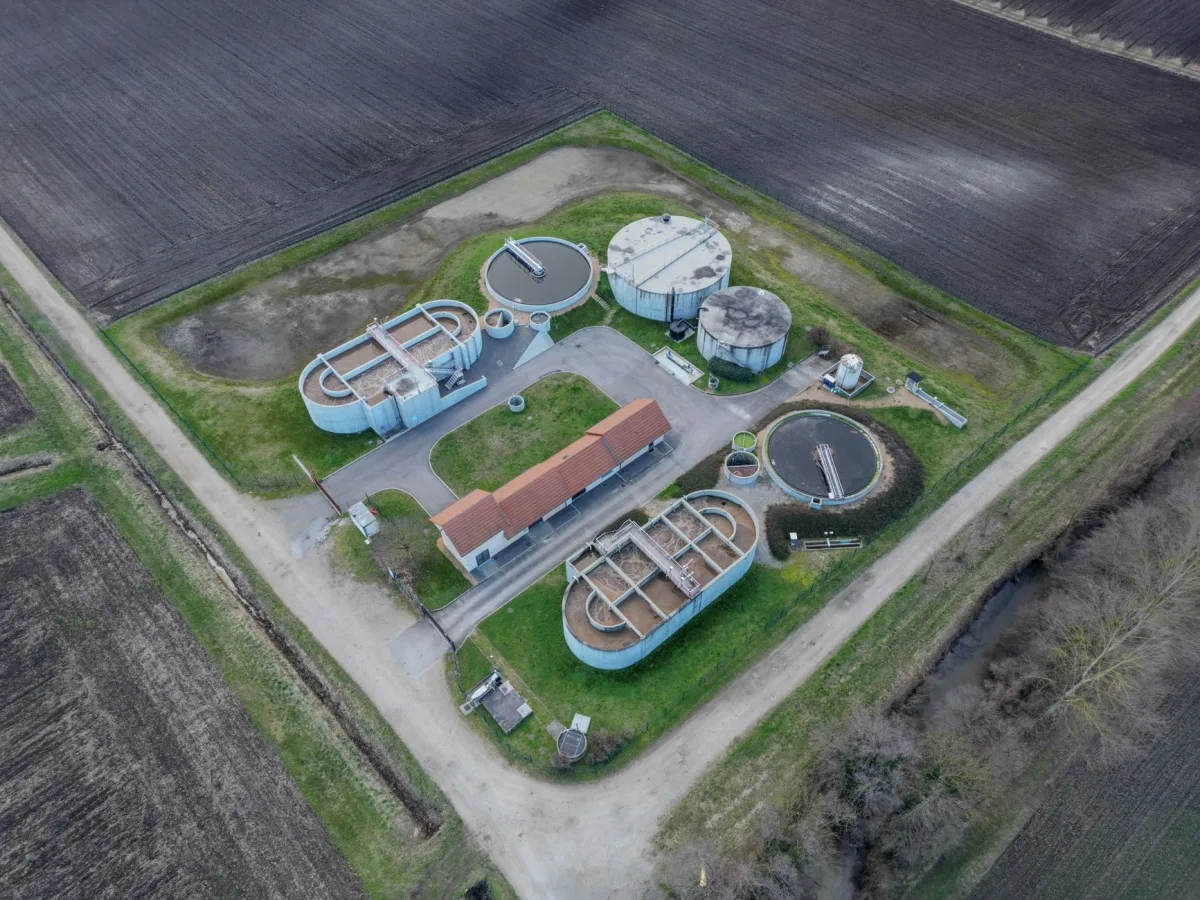
Before the Guests Arrive: Prep the System
The work that saves you is the work you do before anyone rings the doorbell. A few days of lead time is plenty. Here is what I run through in the week before a big visit.
Check When Your Tank Was Last Pumped
This is the single most important step. Most tanks need pumping every 3-5 years depending on size and household, and a tank that is already three-quarters full has almost no reserve capacity for a surge. If you are within a year of being due, book a pump-out before the guests come. Pumping typically runs about $300-600, which is cheap insurance against a sewage backup on the one weekend your house is packed.
The Thanksgiving that scared me was the year I had skipped a pumping “just one more season.” I have never made that mistake again. If you are not sure when you last pumped, a quick look at your records, or a call to the company that services your system, will tell you.
Do a Quick Walk-Around and Function Check
A few days out, walk the yard over the tank and drain field. You are looking for soggy ground, unusually green strips of grass, or any smell, all of which mean the system is already stressed and should not get a heavy weekend. Inside, flush each toilet and run each sink to confirm everything drains at full speed. Fix any slow drain now, not on Saturday morning with a bathroom line forming.
Tip: Run the Dishwasher and Laundry Empty of Guests First
Do your own big laundry loads and any deep cleaning in the days before guests arrive, not during the visit. Getting your household’s normal heavy water use out of the way early means the tank starts the busy weekend with maximum free capacity instead of already working through your own backlog.
Stock the Bathrooms and Set the Ground Rules
Guests cannot follow rules they do not know. Put a small, friendly note in each bathroom and keep a trash can within reach. The message is simple: only toilet paper goes in the toilet. Wipes, cotton balls, dental floss, paper towels, and “flushable” wipes all belong in the trash, because none of them break down the way toilet paper does. A well-stocked trash can prevents most of the mistakes before they happen.
During the Visit: Spread the Load
Once the house is full, your job shifts from prepping to managing flow. The trick is timing. The same amount of water is far easier on the tank when it trickles in over a day than when it arrives as three back-to-back laundry loads and four morning showers all at once.
- Stagger the showers. Four people showering in one hour is a flood; the same four spread from morning to evening is manageable. If you can, encourage a mix of morning and night showers.
- One or two laundry loads a day, not ten. A washing machine can dump 20 to 40 gallons into the tank in minutes. Save the piles of towels and sheets for after everyone leaves.
- Run the dishwasher full and at night. A full load run once, after the dinner rush, uses less water than rinsing dishes under a running tap all evening.
- Fix any drip fast. A toilet that keeps running or a faucet left dribbling wastes gallons an hour, right when the tank has the least room to spare.
- Skip the garbage disposal. Extra food solids are the last thing a working tank needs during a heavy weekend. Scrape plates into the trash or compost instead.
None of this asks guests to be uncomfortable. It is mostly about you quietly scheduling the big water users. Load-spreading is one of the most effective septic habits there is, and it costs nothing but a little planning. If you want to go deeper on trimming everyday flow, I wrote up the full experiment in how I cut my septic water use in half.

A Rough Guide to What a Full House Sends to the Tank
These are general planning figures, not precise measurements, but they show why spreading the load matters so much. The point is not the exact gallons, it is how quickly a busy hour adds up.
| Water Use | Rough Gallons | Smart Timing |
|---|---|---|
| One shower | ~15-25 gallons | Spread across morning and evening |
| One laundry load | ~20-40 gallons | Limit to 1-2 loads per day |
| One dishwasher cycle | ~4-6 gallons | Run full, once, at night |
| One toilet flush | ~1.3-3.5 gallons | Spread naturally; fix any running toilet |
| Full house, peak morning hour | 100+ gallons fast | This is the surge to avoid |
Your Step-by-Step Guest-Ready Septic Plan
Here is the exact sequence I follow now, from a week out through the visit itself. Doing it in order means you handle the big, slow items first and finish with the easy day-of habits.
- Check your pumping date (1 week out). If you are within a year of due, schedule a pump-out before the guests arrive. This is the step that prevents most holiday backups.
- Inspect the system (5 days out). Walk the drain field for soggy ground or odor, and confirm every drain and toilet runs at full speed indoors.
- Clear your own backlog (3 days out). Run your household’s heavy laundry and deep cleaning early so the tank starts the weekend with room to spare.
- Set up the bathrooms (day before). Add a trash can and a short, friendly note in each: only toilet paper goes down the toilet.
- Stagger water use (during the visit). Spread showers across the day, cap laundry at one or two loads, and run the dishwasher full at night.
- Watch for warning signs (during and after). Slow drains, gurgling, or wet spots mean cut water use now. After everyone leaves, ease back into your normal routine.
Warning: Know When to Stop and Call a Pro
If a toilet backs up, drains slow to a crawl, or sewage smell and standing water appear over the tank or drain field, stop all water use immediately. Pushing more water through a struggling system turns a scare into an overflow. Cut back, and if it does not clear quickly, call a septic professional. A backup during a full house is not a DIY moment to gamble on.
Between big visits, a quick self-check keeps you ahead of trouble. My routine walkthrough is laid out in the guide on how to inspect a septic system yourself, and it takes only a few minutes to confirm everything is flowing the way it should.
Frequently Asked Questions
Can too many guests damage my septic system?
A full house rarely causes permanent damage on its own, but it can trigger a backup or push solids into the drain field if the tank is near full or you flood it fast. The real risk is volume and timing. Pump ahead if you are due, spread out water use, and most systems handle a busy weekend fine.
Should I pump my septic tank before a big holiday gathering?
If you are within about a year of your normal pumping interval, yes. A nearly full tank has little reserve for the surge of guests, which is the most common setup for a holiday backup. Pumping usually costs about $300-600. If you pumped recently, you likely have enough capacity and can skip it.
How do I keep guests from harming my septic system?
Set a few simple rules and make them easy to follow. Put a trash can in every bathroom and a short note asking guests to flush only toilet paper, never wipes or other items. Encourage shorter showers and avoid running the garbage disposal. Most guests are happy to help once they know the house is on septic.
Why does spreading out water use matter so much?
The tank needs stillness so solids can settle before liquid flows to the drain field. A surge of showers and laundry all at once stirs solids up and can overload the field. The same total water spread across the day gives the tank time to do its job, which is why timing matters as much as volume.
What are the warning signs my septic is overloaded during a visit?
Watch for drains that slow down, toilets or drains that gurgle, sewage odor indoors or out, and soggy or unusually green ground over the tank or drain field. Any of these means cut water use right away. If a toilet backs up or standing water appears, stop using water and call a septic professional.
Conclusion
A full house does not have to mean a stressful weekend of watching the drains. The two moves that matter most are simple: make sure the tank has room before anyone arrives, and spread the water use out once they do. Set a friendly bathroom rule, keep the laundry and showers from bunching up, and you can enjoy the company instead of worrying about the plumbing. When you want to fold this into a year-round routine, our complete septic system maintenance guide ties guest prep into the bigger picture, and the rest of our septic maintenance articles cover each habit in depth. For the fundamentals, the EPA SepticSmart program is a trustworthy place to keep reading.