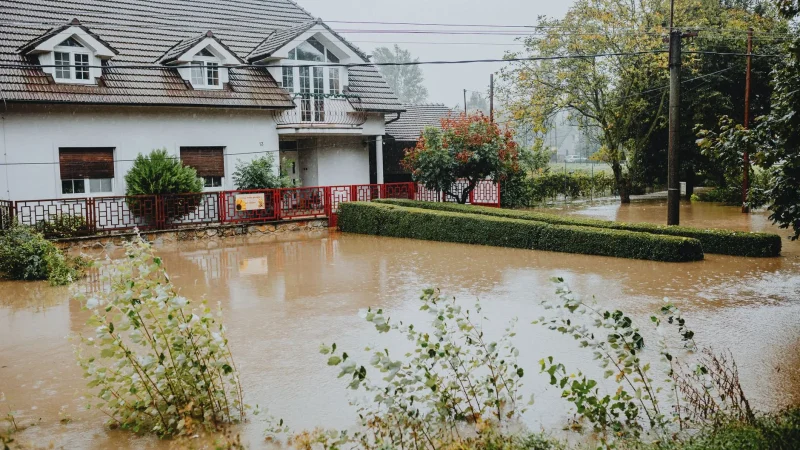

You walk out to the mailbox, cut across the yard like always, and your shoe sinks into a soft, spongy patch that has no business being wet. It hasn’t rained in days. Maybe the grass there is suddenly greener, or there’s a whiff of something in the air. When that soggy spot sits over your septic tank or drain field, your system is trying to tell you something. On my own place, the first hint of trouble was a strip of lawn that stayed squishy long after the rest dried out. In this guide you’ll learn how to read wet spots and standing water over a septic system, how urgent each pattern is, and the exact steps to take before it becomes a backup.
Key Takeaways
- A wet spot that stays soggy in dry weather, especially over the drain field, is a warning sign, not a coincidence.
- Effluent surfacing to the top of the ground is a health hazard; keep people and pets off it and call a pro.
- Run the 48-hour water diet first: cut water use hard and see if the spot dries out on its own.
- Causes range from a simple pump-overdue tank (a $300 to $600 fix) to a failed drain field (several thousand up to $20,000 or more).
- Location tells you a lot: wet over the tank points one way, wet over the field points another.
What a Wet Spot Over Your Septic Is Actually Telling You
Your septic system is supposed to move wastewater underground and let the soil quietly absorb it. When water shows up on the surface instead, it means liquid has nowhere left to go down there and is pushing back up. That’s the core message behind almost every soggy-yard call.
The trick is separating a septic problem from an ordinary wet-yard problem. Not every puddle is your tank’s fault. Before you panic, rule out the innocent explanations, then weigh the ones that point at the system.
Innocent causes worth ruling out first
- Recent heavy rain or snowmelt. If the whole yard is wet and it dries out in a day or two, weather is the likely culprit, not septic.
- A low spot that collects runoff. Natural grading can pool water anywhere, septic or not.
- A leaking hose, sprinkler, or downspout. Check for above-ground sources before blaming what’s underground.
- A high water table in spring. In some regions groundwater rises seasonally and softens the ground temporarily.
The tell that separates a septic issue from these is persistence and location. A spot that stays wet in dry weather, sits directly over the tank or drain field, and sometimes carries an odor is very likely your system. That combination is the same early-warning pattern covered in our guide to signs your septic system is failing.

Read the Location: Where the Water Sits Matters
Where the wet spot appears is the single most useful clue you have. The tank and the drain field fail in different ways and for different reasons, so pinpointing the spot narrows the cause fast. If you’re not sure where your components are buried, that’s worth sorting out before anything else.
Wet ground right over the tank
Soggy soil directly above the tank or the pipe running to it often points to a full or overdue tank, a cracked lid, a broken inlet or outlet baffle, or a leak in the line. Because it’s concentrated over the tank, the water usually has a stronger sewage smell. This is frequently the more affordable end of the repair scale.
Wet ground over the drain field
A soggy, spongy area spread across the drain field, sometimes with unusually lush green grass, is more serious. It usually means the soil can no longer absorb the effluent being sent to it. The field may be clogged with a biomat layer, saturated from overuse, or simply worn out with age. This is the pattern that can lead to the most expensive repair a septic owner faces.
Standing water or surfacing effluent
Actual pooling water, dark or gray liquid rising to the surface, or a slick sheen is called surfacing effluent, and it’s a health concern. That water can carry bacteria and pathogens. Rope off the area, keep kids and pets away, and treat it as urgent rather than a wait-and-see spot.
| Where it’s wet | Likely cause | Urgency | Rough cost |
|---|---|---|---|
| Over the tank | Overdue pumping, cracked lid, bad baffle | Moderate | $300–$800 |
| Over the drain field | Clogged, saturated, or aging field | High | $1,000 to $20,000+ |
| Standing effluent on surface | Failed field or major backup | Urgent, health hazard | Varies, often thousands |
| Whole yard, after rain, dries fast | Weather, not septic | Low | $0 |
| Costs are general national estimates and vary by region, tank size, access, and severity. Always get local quotes. | |||
Warning: Treat surfacing effluent as a health hazard
Any liquid pooling on the surface over a septic system may contain harmful bacteria, viruses, and parasites. Do not let children or pets play in it, do not mow through it, and wash thoroughly if you contact it. The U.S. EPA’s SepticSmart program treats untreated wastewater surfacing in a yard as both an environmental and a public-health risk. Fence off the spot and call a licensed septic professional promptly rather than living with it.
Step-by-Step: What to Do When You Spot Standing Water
Working through this in order keeps you from overreacting to a puddle or underreacting to a real failure. Start at the top and stop when you’ve solved it.
- Note the exact spot and conditions. Mark where it’s wet, whether it sits over the tank or field, if there’s an odor, and when it last rained. A quick phone photo helps a technician later.
- Rule out non-septic sources. Check for a leaking hose, sprinkler, downspout, or a genuinely rainy week. Fix or wait those out first.
- Start the 48-hour water diet. Cut household water use hard: short showers, full laundry loads only, fix running toilets, spread out heavy use. Reducing input often lets a stressed field recover enough to dry the surface.
- Check when you last pumped. If it’s been more than three to five years, an overdue tank could be the whole story. Schedule a pump-and-inspect.
- Keep the area off-limits. If there’s any surfacing liquid or smell, rope it off from kids, pets, and foot traffic.
- Call a septic professional. If the spot stays wet after the water diet, or there’s standing effluent, get a licensed pro to inspect the tank, baffles, and field.
The 48-hour water diet is the cheapest diagnostic you have. If the spot dries out when you slash water use, you’ve confirmed the system is at or near its capacity and needs attention before the next heavy-use day. If it stays wet no matter what, the problem is structural and it’s pro time.
A Real Example: The Squishy Strip That Dried Out
Here’s how this played out on my own system, because the pattern is common. Late one summer, with no rain for over a week, a two-foot strip over the edge of my drain field stayed soft and spongy underfoot. No standing water yet, and only a faint odor when I knelt down close.
I ran the water diet for two days: no laundry, short showers, and I fixed a toilet that had been silently running for weeks. By the third day the strip had firmed up. That running toilet had been quietly dumping hundreds of extra gallons a day into a field that was already near its limit. Pulling that load off was enough to let it drain.
I still had it pumped and inspected soon after, because a spot that surfaces once will surface again if the underlying capacity is tight. The lesson: a wet spot can have a cheap fix hiding behind it, but only an inspection tells you whether you dodged a bullet or just delayed one.
Tip: Hunt for a silent running toilet first
A toilet flapper that leaks can send hundreds of gallons a day into your system without a sound, overloading a field that would otherwise cope. Put a few drops of food coloring in the tank (not the bowl) and wait 15 minutes without flushing. If color seeps into the bowl, the flapper leaks. Replacing a $10 flapper is often the cheapest thing you can do to relieve a soggy drain field.
When Weather and Season Play a Role
Wet spots don’t happen in a vacuum. The ground around your system responds to rain, frost, and the water table, and understanding that helps you judge how worried to be.
In spring, a rising water table can saturate soil around the drain field and slow absorption, causing temporary wetness even in a healthy system. After a downpour, expect some brief sogginess that clears within a day or two. What should concern you is water that persists through dry stretches, because that means the input, not the weather, is the problem.
Cold climates add a wrinkle. Frozen or partly frozen soil can force effluent toward the surface where it pools and refreezes, and a frozen line can back water up in ways that mimic a field failure. If your wet spots appear mainly in deep winter, our guide on how to protect a septic system from freezing covers the prevention and thawing steps that apply.
When to Stop Guessing and Call a Professional
Some of this you can diagnose from the surface, but the tank and drain field are underground for a reason. Call a licensed septic professional if any of the following is true, rather than waiting to see if it clears.
- The wet spot stays soggy after two days of cutting water use hard.
- Liquid or a sewage smell is surfacing anywhere over the tank or field.
- Drains inside the house are slow or gurgling at the same time.
- It’s been more than three to five years since your last pump-out.
- The grass over the field is suddenly and unusually lush and green.
There’s no prize for waiting it out. A pump-and-inspect that runs a few hundred dollars is cheap insurance next to a drain field replacement, and a good technician can tell you within an hour whether you’re looking at a simple overdue tank or an aging field. For the full map of septic warning signs and where each one leads, our complete septic troubleshooting guide connects every symptom to its fix.
Frequently Asked Questions
Quick answers to the wet-spot and standing-water questions septic owners search most.
Why is there standing water over my septic tank?
Standing water over the tank usually means the tank is full or overdue for pumping, a lid or baffle is cracked, or the line is leaking. Because it’s concentrated over the tank, the water often smells of sewage. Cut water use, check your last pump date, and have it inspected. This is frequently the more affordable end of septic repairs.
Is a soggy yard over the drain field an emergency?
Not always an emergency, but always a warning. A soggy drain field means the soil is struggling to absorb effluent. If there’s no surfacing liquid, try the 48-hour water diet first. If liquid is pooling on the surface, treat it as urgent because it can carry bacteria, keep people and pets off it, and call a septic professional promptly.
Can heavy rain cause wet spots over a septic system?
Yes. Heavy rain or spring snowmelt can temporarily saturate the ground and slow how fast your drain field absorbs water, causing brief sogginess even in a healthy system. The difference is time: weather-related wetness usually clears in a day or two. A spot that stays wet through dry weather points to a septic problem, not the rain.
What is surfacing effluent and is it dangerous?
Surfacing effluent is wastewater rising to the top of the ground instead of soaking into the soil. It can look like dark or gray pooling water or a slick sheen. It may contain harmful bacteria and viruses, so it is a health hazard. Fence off the area, keep children and pets away, and call a licensed septic professional right away.
Will pumping the tank fix a wet drain field?
Sometimes, but not always. If an overdue tank is sending excess solids to the field, pumping and cutting water use can give it room to recover. But if the field itself is clogged with biomat or worn out with age, pumping only buys time. Have a pro inspect the field while they pump so you know whether it’s recovery or replacement.
The Bottom Line
A wet spot over your septic system is a message worth reading, not a puddle to ignore. Start by ruling out weather and leaks, then note exactly where it sits, run the 48-hour water diet, and check your last pump date. If it dries up you may have caught something small; if it stays wet or surfaces, get a licensed pro out before it becomes a backup. The habit that saves the most money is acting while the ground is only damp, not flooded. When you’re ready to match other warning signs to their causes, browse our full septic problems library and stay a step ahead of the next surprise.