You flush the toilet and the water sinks in slow motion. The kitchen sink takes its time. The tub drains with a lazy gurgle. When you’re on a septic system, a slow drain isn’t just annoying, it can be the first quiet hint that something upstream, in the tank or drain field, is backing up. The tricky part is telling a simple clog from a system-wide problem, because the fixes are worlds apart. On my own system, the first sign of trouble is almost always a sink that starts draining a beat too slowly. In this guide you’ll learn how to work a slow septic drain in tiers, from the cheap five-minute fixes up to the tank-level causes that need a pro.
Key Takeaways
- First, figure out if one fixture is slow or every drain is slow; that single clue splits a $0 fix from a several-hundred-dollar one.
- Work the problem in tiers: plunger and hot water, then a snake, then the vent, then the tank.
- Never pour chemical drain cleaners into a septic system; they kill the bacteria your tank needs.
- Slow drains everywhere at once usually mean a full tank or a struggling drain field, not a clog.
- A routine pump-out runs about $300 to $600; ignoring the warning can lead to a drain field repair of several thousand to $20,000 or more.
First, Read the Symptom Correctly
Before you touch a plunger, spend two minutes gathering information. The single most useful question is this: is it one drain that’s slow, or is the whole house sluggish? That answer points you toward the right tier and can save you hours of chasing the wrong fix.
Walk through the house and run water at each fixture. Flush toilets, fill and drain a sink, run the tub. Pay attention to whether the slowness travels with you or stays put at one spot.
One slow drain vs. the whole house
- Just one fixture is slow. The problem is almost certainly a local clog in that fixture’s trap or branch line. This is the easy, DIY-friendly tier.
- Several or all drains are slow, especially the lowest ones (basement toilet, floor drain), and you hear gurgling. That points to the main line, the tank, or the drain field. Skip ahead to the tank-level tiers.
- Drains slow down right after heavy water use, like laundry plus showers, then recover. That’s a system near capacity, a warning worth acting on before it becomes a backup.
This two-minute test is the same logic behind telling a common septic backup from a simple drain clog. If everything is slow, treat it as a system issue until proven otherwise. If it’s isolated, start at Tier 1 below.
Tier 1: Simple Fixes for a Single Slow Drain
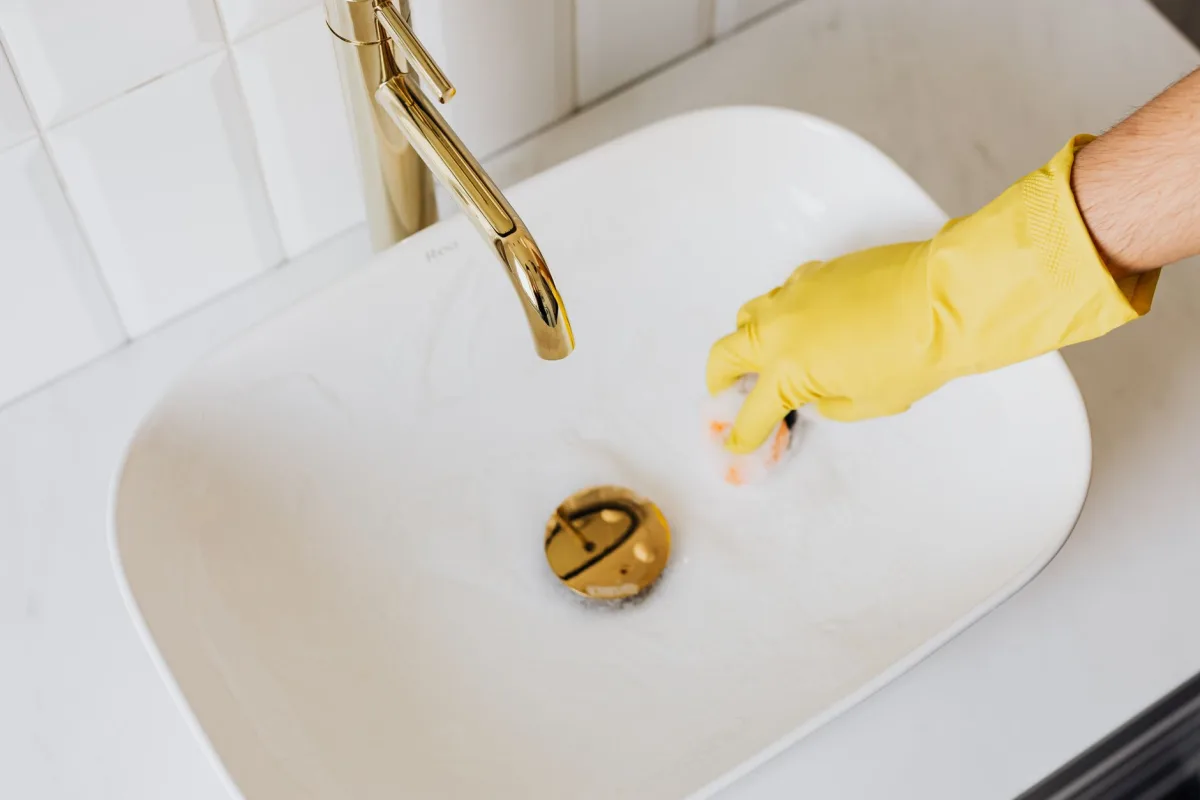
If only one fixture is dragging, you’re likely dealing with the same gunk any home gets: hair, soap scum, grease, or food bits caught in the trap or branch line. None of this involves the septic tank yet, and most of it you can clear yourself in under an hour.
- Try a plunger first. Cover the overflow hole with a wet rag, fill the fixture with an inch of water to seal the plunger, and give it 15 to 20 firm strokes. This clears most soft clogs.
- Flush with hot water. For a greasy kitchen sink, run the hottest tap water for a couple of minutes, or pour in a kettle of hot (not boiling, to protect PVC) water to loosen buildup.
- Clean the trap or drain. Remove and clean a sink stopper or shower drain cover; hair and soap collect right there. A bent wire or a plastic drain-cleaning strip pulls out a surprising amount.
- Snake the branch line. If it’s still slow, run a hand auger (drain snake) a few feet into the line to break up or retrieve the clog. Turn slowly and pull debris back out.
- Use gentle biology, not chemistry. A baking soda and vinegar flush, or an enzyme-based drain maintainer labeled septic-safe, is fine. Skip the caustic stuff.
If these steps fix it and the rest of the house drains normally, you’re done. Note what caused it (grease and hair are the usual suspects) so you can head it off next time.
Warning: Keep chemical drain cleaners out of your septic
Liquid drain cleaners are one of the worst things you can pour into a septic system. Their harsh chemicals flow straight through the pipe and into the tank, where they kill the bacteria that break down solids. A dead tank sends more sludge to your drain field, trading a small clog for a much bigger, more expensive problem. Reach for a plunger, a snake, or hot water instead.
Tier 2: Whole-House Slowness and the Vent
When several drains slow at once but there’s no sewage backing up yet, two culprits are worth checking before you assume the tank is full. Both are within reach of a handy homeowner, though one involves a ladder.
A blocked plumbing vent
Your drains need air to flow freely. That air comes through the vent stack on your roof. If a bird’s nest, leaves, or ice plug that vent, drains glug and empty slowly across the whole house, and toilets may bubble. It mimics a septic problem but has nothing to do with the tank.
From the roof (only if you can do it safely), shine a light down the vent and clear any obvious blockage, or run a garden hose down it to flush debris. If you’re not comfortable on a roof, this is a quick, cheap job for a plumber. A clear vent often restores normal draining instantly.
A partial clog in the main line
The main sewer line carries everything from the house to the tank. Grease buildup, a partial root intrusion, or a foreign object here slows every fixture, especially the lowest ones. A longer snake run through the main cleanout can clear it, but if you suspect roots or a collapsed pipe, that’s a job for a pro with a camera.
If the vent is clear and the main line snakes clean but drains are still slow, the trail leads underground to the tank itself. That’s Tier 3.

Tier 3: When the Tank or Drain Field Is the Cause
This is the tier most homeowners dread, but catching it early here, at the slow-drain stage, is exactly how you avoid a full backup. If the whole house is slow and you’ve ruled out clogs and the vent, the problem is almost certainly in the tank or field.
A full septic tank
This is the most common tank-level cause. When sludge and scum build up past their limit, there’s no room for incoming water to settle, so everything drains slowly and gurgles. The U.S. EPA’s SepticSmart program recommends inspecting and pumping a typical household tank every three to five years, so if you’re past that window, this is your prime suspect. The fix is a professional pump-and-inspect, typically $300 to $600.
A clogged effluent filter or baffle
Many tanks have an effluent filter on the outlet that catches solids before they reach the drain field. When it clogs, water backs up and drains slow down. A pro can clean or replace it during service. A collapsed or damaged baffle causes similar symptoms and needs inspection.
A failing or saturated drain field
If the soil in your drain field can no longer absorb effluent, water has nowhere to go and everything upstream slows. Clues include soggy or unusually green grass over the field, standing water, and often a sewage odor. This is the serious end of the spectrum and needs a professional evaluation. For related symptoms, our guide on how to get rid of septic tank smells covers what odors alongside slow drains may be telling you.
| Cause | Typical sign | Fix | Rough cost |
|---|---|---|---|
| Local clog (one fixture) | Only one drain slow | Plunger, snake, hot water | $0–$25 DIY |
| Blocked vent stack | All drains glug, no backup | Clear vent from roof | $0 DIY–$150 pro |
| Main line partial clog | Lowest drains slowest | Snake or camera main line | $150–$500 |
| Full septic tank | Whole house slow, gurgling | Professional pump-out | $300–$600 |
| Failing drain field | Soggy yard, odor, backups | Pro evaluation, possible repair | Thousands to $20,000+ |
| Costs are general national estimates and vary by region, access, and severity. Get local quotes. | |||
The table makes the stakes clear. A slow drain you catch and diagnose early might cost nothing. The same symptom ignored for months can escalate into the most expensive repair a septic owner ever faces. That’s why slow drains are worth taking seriously rather than living with.
Tip: Test the whole house before you call
Before you phone a septic pro, run this quick check so you can describe the problem clearly. Note which drains are slow, whether toilets gurgle, when you last pumped the tank, and whether the yard over the tank or field is wet or smelly. Those four details help the technician arrive with the right equipment and can shorten the visit, and the bill.
When to Stop DIY and Call a Professional
Knowing when to put the snake down is part of doing this right. Call a septic professional if any of the following is true, rather than pushing your luck with home fixes.
- Multiple drains are slow at once and simple clearing hasn’t helped.
- Sewage is backing up into the lowest drains or you smell it indoors.
- The ground over your tank or drain field is soggy, spongy, or unusually green.
- It’s been more than three to five years since your last pump-out.
- You suspect tree roots, a collapsed line, or a drain field problem.
There’s no shame in calling early. A pump-and-inspect is cheap insurance next to a damaged drain field, and a good technician will tell you exactly what caused the slowdown. For the full map of septic symptoms and where each one leads, our complete septic troubleshooting guide connects every warning sign to its fix.
Frequently Asked Questions
Quick answers to the slow-drain questions septic owners search most.
Why are all my drains slow on a septic system?
When every drain in the house is slow, the cause is usually upstream of the pipes: a full septic tank, a blocked plumbing vent, or a struggling drain field. A single slow drain points to a local clog. If the whole house is affected and toilets gurgle, have the tank inspected and pumped before it turns into a backup.
Can I use Drano or a chemical cleaner in a septic system?
No. Chemical drain cleaners flow into the tank and kill the bacteria that break down solids, which can trigger a much larger drain field problem. For septic systems, use a plunger, a drain snake, or hot water. If a clog won’t budge, call a plumber rather than pouring in harsh chemicals.
Will pumping my septic tank fix slow drains?
Often, yes, if a full tank is the cause. When sludge builds past its limit, water can’t settle and drains slow throughout the house. A pump-out, usually $300 to $600, clears that. But if the slowness is a local clog or a failing drain field, pumping alone won’t solve it, so have a pro inspect while they’re there.
How do I know if a slow drain is a clog or a septic problem?
Run water at every fixture. If only one drain is slow, it’s a local clog you can usually clear with a plunger or snake. If several or all drains are slow, especially with gurgling or backups in the lowest drains, the problem is likely the tank or drain field and needs professional attention.
Is a gurgling drain a sign of septic trouble?
It can be. Gurgling happens when air struggles past a blockage or a full tank. If one fixture gurgles, suspect a local clog or blocked trap. If several gurgle together with slow draining, it often signals a full septic tank or a blocked vent. Treat whole-house gurgling as an early warning worth acting on quickly.
The Bottom Line
A slow drain on a septic system is a message, not just a nuisance. Start by asking whether one fixture or the whole house is affected, then work the tiers: plunger and hot water first, then a snake and the vent, and finally the tank and field if the slowness is everywhere. The habit that saves the most money is simply not ignoring it, because the cheap fix and the expensive one look identical on day one. When you’re ready to match other symptoms to their causes, browse our full septic problems library and stay ahead of the next surprise.