
Something about your septic system feels off, and you’re standing there with your phone wondering: is this normal, or is it about to turn into a very expensive weekend? A slow drain, a faint smell, a gurgle after a big laundry day. After years living on my own system, I’ve learned that most of these questions have calm, clear answers, and that knowing which ones are true emergencies saves both money and panic.
This page collects the septic problem questions homeowners search most and answers each one plainly, so you can tell the difference between “watch it” and “call someone today.”
Key Takeaways
- One slow fixture is usually a local clog; several at once points to the septic system itself.
- Sewage backing up indoors or surfacing outside is an emergency. Stop using water and call a pro the same day.
- A faint occasional outdoor odor can be normal; a strong indoor sewer smell is not.
- Most “sudden” problems trace back to a tank that’s overdue for pumping (typically every 3 to 5 years).
- When in doubt, reducing water use buys you time until a pumper or inspector can look.
How to Use These Answers
Septic worry usually starts small: a drain that lags, a whiff in the yard, a toilet that gurgles at odd times. The hard part is knowing whether it’s a minor thing you can watch or a real problem creeping toward a backup. These questions are grouped roughly from “probably fine” to “act now,” so scan down until you find the symptom that matches yours.
One honest caveat first: no article can see inside your specific tank. Use these answers to understand what you’re likely dealing with and how urgent it is, then lean on a licensed pumper or inspector for anything that touches sewage, standing water, or a system that’s more than a few years past its last service. For the full symptom-by-symptom breakdown, our complete septic troubleshooting guide routes each warning sign to its own fix.

Quick “Is This an Emergency?” Reference
When something goes wrong, the first thing you want to know is how fast you have to move. Here’s a rough triage of the most common septic symptoms and how urgent each one usually is.
| Symptom | Likely urgency | First move |
|---|---|---|
| Sewage backing up into a tub, sink, or floor drain | Emergency (today) | Stop all water use; call a pumper |
| Standing water or wet spots over the tank/drain field | High (this week) | Keep off the area; schedule a pro |
| Several drains slow at once | Moderate to high | Reduce water; check pumping history |
| One slow drain, rest of house fine | Low (likely a clog) | Try a plunger or snake first |
| Faint occasional smell outside | Low (often normal) | Note when it happens; monitor |
| Alarm light on an aerobic/pump system | Moderate | Don’t run water; read the panel |
Health note: Raw sewage carries bacteria and viruses. If it backs up indoors or pools in your yard, keep kids and pets away, wear gloves for any cleanup, and don’t try to open or enter the tank yourself. Septic gases can be deadly. This is professional territory.
The Most Common Septic Problem Questions
“My drains are slow, but nothing’s backing up. How worried should I be?”
Start by asking whether it’s one fixture or many. If a single sink or shower is slow while everything else runs fine, you almost certainly have a local clog, which is a plumbing fix, not a septic one. If several drains slow down together, especially the lowest ones in the house, the system itself may be struggling.
System-wide slowness often means the tank is full of solids and needs pumping, or the drain field is saturated. In my experience, the first sign is usually the basement or first-floor toilet flushing sluggishly on laundry day. If that’s you, ease off water use and check when the tank was last pumped.
“Why does my septic smell, and is a smell always bad?”
Not every odor is an alarm. A faint, occasional sulfur or “earthy” smell drifting from the vent pipe or over the yard on a still, humid day can be normal, especially right after pumping. What isn’t normal is a persistent, strong sewer smell inside the house, which usually points to a dry drain trap, a plumbing vent issue, or a system backing up.
A strong outdoor odor combined with soggy ground over the drain field is a bigger flag: it can mean effluent is surfacing instead of soaking in. Track when and where you smell it. That single detail helps a pro pin down the cause fast.
“My toilet is gurgling. Does that mean the septic is failing?”
Gurgling is your system trying to breathe. Air that should move freely through the pipes is getting trapped behind a partial blockage or a full tank, so it bubbles back up through the toilet or drains. One gurgle now and then after heavy use isn’t a crisis.
But regular gurgling across multiple fixtures, especially paired with slow drainage, is a classic early warning that the tank is nearing capacity or the outlet is partly blocked. It’s the kind of quiet symptom that’s cheap to address now and expensive to ignore.
“There’s standing water or a lush green patch over my drain field. What is that?”
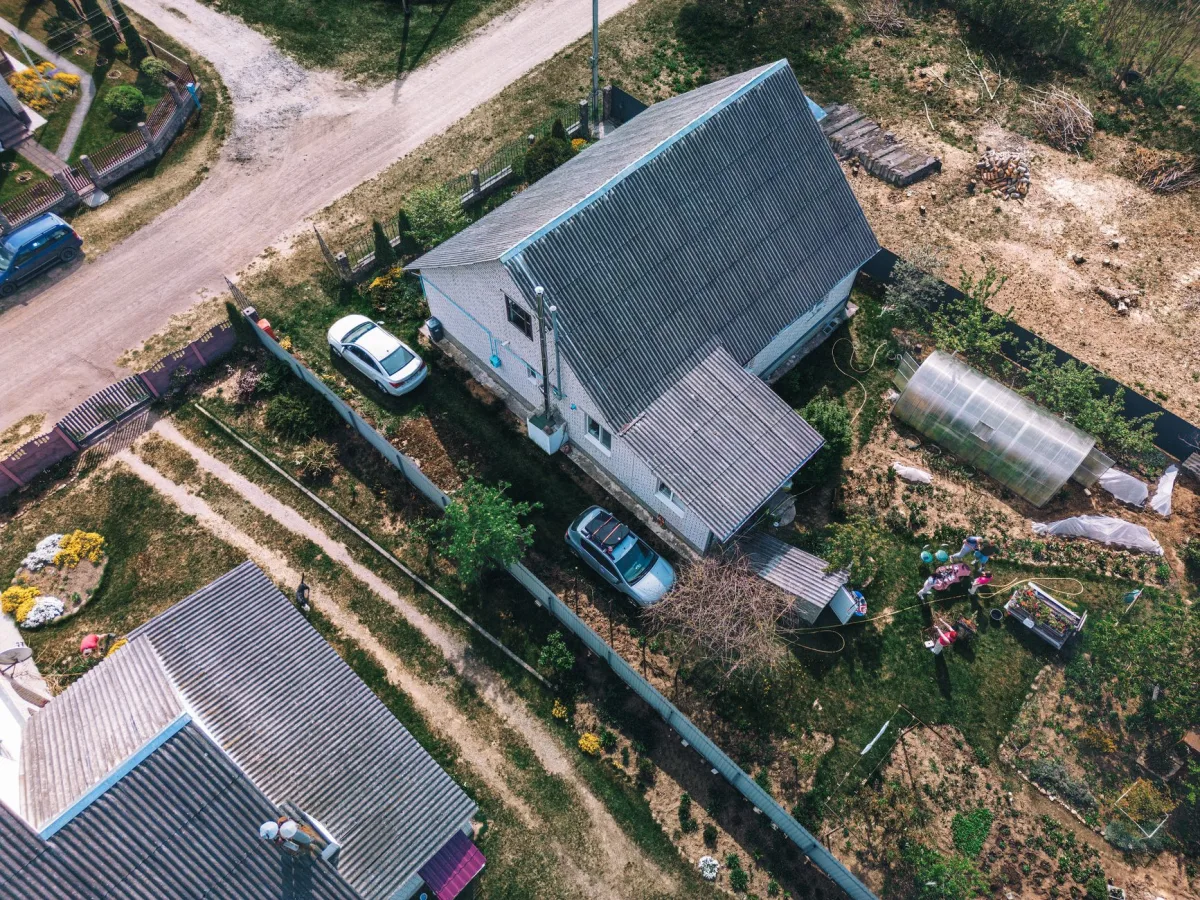
Both are messages from the drain field. Standing water, spongy ground, or a suspiciously bright-green stripe of grass over the field often means effluent isn’t soaking away as it should. The field may be saturated, compacted, or reaching the end of its life.
This isn’t a same-hour emergency like an indoor backup, but it’s not “wait and see” either. Keep foot traffic, vehicles, and pets off the area and get a professional out this week. Drain field repairs are far cheaper caught early than after full failure, which can run into the thousands.
“What should I do the moment sewage backs up indoors?”
This one is an emergency, and the right first moves matter. Stop adding water immediately, protect yourself and your family, and get a pro on the phone before you touch anything.
- Stop all water use. No flushing, no laundry, no dishwasher. Every gallon you send down makes the backup worse.
- Keep people and pets away from the affected area. Treat any standing sewage as a health hazard.
- Check the tank’s pumping history. If it’s been more than 3 to 5 years, an overdue tank is a likely culprit.
- Call a licensed septic pumper or plumber. Describe exactly what’s backing up and where.
- Don’t pour chemicals or “openers” down the drain. They rarely help a septic backup and can harm the tank’s bacteria.
- Ventilate and clean carefully once the pro clears it, wearing gloves and disinfecting surfaces.
For a deeper look at what’s actually blocking things, our roundup of common septic backup causes and fixes ranks the culprits by how likely each one is.
“How do I know if it’s a simple clog or my whole system?”
Run a quick mental test. Turn on a faucet or flush a toilet on the upper floor, then watch the lowest drains in the house. If only the fixture you’re using acts up, it’s local. If the lowest toilet, tub, or floor drain gurgles or backs up while you run water elsewhere, the problem is downstream in the shared line, tank, or field.
My rule of thumb: before I buy a snake or call anyone, I check whether the trouble is in one spot or spread across the house. One spot means a plunger and patience. Spread out means I stop running water and start dialing. That one question has saved me from more than one unnecessary service call.
“Can I fix a septic problem myself, or do I always need a pro?”
It depends entirely on where the trouble sits. Homeowners can safely handle the outer edges: plunging or snaking a single clogged fixture, spreading out water use, keeping the drain field clear, and tracking symptoms. Those are real, useful fixes.
Anything involving the tank, sewage, or standing effluent belongs to a professional. Opening a septic tank is genuinely dangerous because of toxic gases and the risk of falling in. Pumping, drain field repair, baffle work, and diagnosing a true system backup all call for the right equipment and licensing. There’s no shame in calling early. It’s usually the cheaper choice.
“How much does it cost to fix a common septic problem?”
Costs vary widely by region, tank size, and how bad things have gotten, but rough ranges help set expectations. A routine pump-out often runs around $300 to $600. Clearing a clog or replacing an effluent filter is usually modest. The scary numbers show up only when the drain field fails.
| Job | Typical cost range |
|---|---|
| Routine tank pumping | ~$300 to $600 |
| Effluent filter clean or replace | ~$50 to $250 |
| Baffle or pipe repair | ~$300 to $1,500 |
| Drain field repair | Several hundred to a few thousand |
| Full drain field replacement | Several thousand to $20,000+ |
The pattern is clear: routine care is cheap, and neglect is expensive. Catching a problem while it’s still a slow drain instead of a failed field is the single biggest way to protect your wallet.
“How can I tell the difference between a warning sign and true failure?”
Warning signs are your system whispering; failure is it shouting. Whispers include occasional slow drains, faint odors, and the odd gurgle. These say “service me soon.” Shouts include sewage backing up, standing effluent, sewage smell indoors, and drains that won’t clear no matter what. Those say “I’ve stopped working.”
The goal is to act during the whisper stage. If you want to build that instinct, our guide to the early signs your septic system is failing walks through each symptom so you can catch trouble before it escalates.
Frequently Asked Questions
Why is my septic acting up all of a sudden?
Most “sudden” septic problems have been building quietly for a while. The usual triggers are a tank overdue for pumping, a spike in water use (guests, extra laundry), or a saturated drain field after heavy rain. Check your pumping history first; a tank not emptied in over 3 to 5 years is the most common cause.
Is a slow drain a septic emergency?
Usually not, especially if only one fixture is slow, which points to a local clog you can often plunge or snake yourself. It becomes urgent when several drains slow at once or the lowest drains back up, which suggests the tank or drain field is involved. Reduce water use and check when the tank was last pumped.
Can heavy rain cause septic problems?
Yes. Prolonged or heavy rain saturates the soil around your drain field, leaving nowhere for treated water to soak away. That can cause temporary slow drains, gurgling, or backups until the ground dries. If problems persist well after the rain stops, the field may be undersized or failing and needs a professional look.
Will chemical drain cleaners hurt my septic system?
They can. Harsh drain cleaners kill the beneficial bacteria your tank relies on to break down solids, and they rarely clear a true septic backup anyway. For a single clogged fixture, use a plunger or drain snake instead. Save the chemicals; they cost money and can set your system back.
How urgent is standing water over my septic tank or field?
It’s not a same-hour emergency like an indoor backup, but it shouldn’t wait. Standing water or spongy ground means effluent isn’t draining properly. Keep people, pets, and vehicles off the area and schedule a professional inspection this week. Early attention can save you from a full drain field replacement costing thousands.
Should I keep using water if I suspect a septic problem?
Cut back sharply. Every gallon of water adds load to a struggling system and can turn a slow drain into a backup. Postpone laundry and dishwashing, take shorter showers, and avoid running multiple fixtures at once. Reducing water use buys valuable time until a pumper or inspector can diagnose the real issue.
Conclusion
Most septic scares come down to one question: is this a whisper or a shout? A single slow drain or a faint outdoor smell is usually a whisper you can watch or fix simply. Sewage indoors, standing water, or several drains failing at once is a shout that means stop using water and call a professional today. Trusting that difference keeps small problems small. If you’d like the full symptom-by-symptom roadmap, browse the Problems category or start with our complete septic troubleshooting guide whenever you’re ready. For general standards, the US EPA SepticSmart program is a trustworthy place to keep learning.