

Nobody hands you a manual when you move onto a septic system, so most of what you know arrives as half-remembered advice and late-night search queries. The recurring worries are almost always the same: how often to do things, whether a habit is quietly hurting the tank, and when a small oddity is worth a service call. I’ve fielded these questions for years from neighbors and new-owner friends, and the honest answers are simpler than the folklore suggests. In this guide you’ll get plain, practical answers to the maintenance questions homeowners actually ask, grouped so you can jump straight to yours.
Key Takeaways
- Pump and inspect a typical tank every 3 to 5 years; the exact interval depends on tank size and household count.
- Routine upkeep is cheap insurance: a pump-out runs about $300 to $600 versus several thousand to $20,000+ for a failed drain field.
- You don’t need additives, but you do need to watch what you flush and how much water you use.
- Whole-house slow drains, gurgling, odors, or soggy ground over the field mean call a pro promptly.
- A simple written maintenance log saves money and protects resale value.
Timing and Scheduling Questions
The “how often” questions cause the most anxiety, usually because owners fear they’ve already missed something. Most haven’t. Septic care runs on long, forgiving cycles, so a missed month is rarely a crisis. What matters is having a rough calendar you actually follow.
How often should a septic system be serviced?
The most widely accepted guidance, echoed by the U.S. EPA’s SepticSmart program, is to have a typical household tank inspected and pumped every three to five years. A smaller tank or a full house shortens that window; a large tank with light use can stretch it. The exact number comes down to tank size and how many people live there, which our guide on how often you should pump a septic tank breaks down with a simple table.
What’s the difference between pumping and inspection?
Pumping physically removes the sludge and scum that build up inside the tank. Inspection is the pro checking baffles, the effluent filter, liquid levels, and signs of drain field trouble. They usually happen together, but inspection is the part that tells you whether your schedule is right or needs adjusting. Always ask for the measured sludge depth so your next interval is based on evidence, not the calendar.
Here’s a quick reference for common upkeep tasks
| Task | How often | Who does it |
|---|---|---|
| Pump the tank | Every 3–5 years | Licensed pumper |
| Professional inspection | Every 1–3 years (with pumping) | Septic pro |
| Clean the effluent filter | Yearly, or per pumping | DIY or pro |
| Quick visual self-check | Every few months | You |
| Spread out heavy water use | Ongoing | You |
| General guidance for a conventional system. Alternative systems like ATUs need more frequent service. | ||

“Is It Okay If I…” Questions
This is the category that keeps people up at night: the small daily choices they worry might be quietly ruining the system. Most of the time the answer is reassuring, with a few genuine exceptions worth taking seriously.
Can I use a garbage disposal on a septic system?
You can, but use it sparingly. Food scraps add solids the bacteria can’t fully break down, and heavy use can shorten your pumping interval by roughly a third to a half. On my own system I keep a scrap bowl by the sink and send most food waste to the compost or trash, saving the disposal for the odd bits that slip through. Your tank fills more slowly and you pump less often.
Is bleach or drain cleaner safe for a septic tank?
Normal, occasional household cleaning won’t wipe out your tank’s bacteria. The problem is volume and harshness. A cup of bleach in a load of laundry is fine; pouring caustic chemical drain openers down the pipes repeatedly is not. Those aggressive products can kill the biology your tank depends on. Reach for a plunger or a drain snake first, and stick to everyday cleaners used in normal amounts.
What should I never flush or pour down the drain?
A short list prevents most clogs and failures. Keep these out of the system entirely:
- “Flushable” wipes, paper towels, and feminine products, which don’t break down like toilet paper.
- Cooking grease and fats, which harden into scum and clog pipes.
- Harsh chemicals, paints, solvents, and pesticides that poison the bacteria.
- Coffee grounds, cat litter, and cigarette butts, which add non-degrading solids.
- Unused medications, which pass through the tank and into the groundwater.
These habits, plus watching your water use, do more for your system than any product on a shelf. For the full routine, our roundup of the best habits to keep your septic system healthy lays out the daily and weekly moves with the biggest payoff.
Tip: Spread laundry across the week
Running six loads on a single Saturday floods the tank faster than the drain field can absorb, pushing solids toward the outlet before they settle. Spreading laundry over several days gives the tank time to do its job. It’s a free habit that quietly protects the most expensive part of your system.
Products, Additives, and DIY Questions
The septic aisle is full of promises. Here’s what actually earns a place in your routine and what’s mostly marketing.
Do I need to add bacteria or enzymes to my tank?
For a normally used household system, no. A healthy tank grows all the bacteria it needs from everyday waste, and there’s no solid evidence that store-bought additives reduce your need to pump. If anything, some products claim to “break down” sludge in ways that can push solids into the drain field. Save your money and put it toward on-time pumping instead.
What maintenance can I safely do myself?
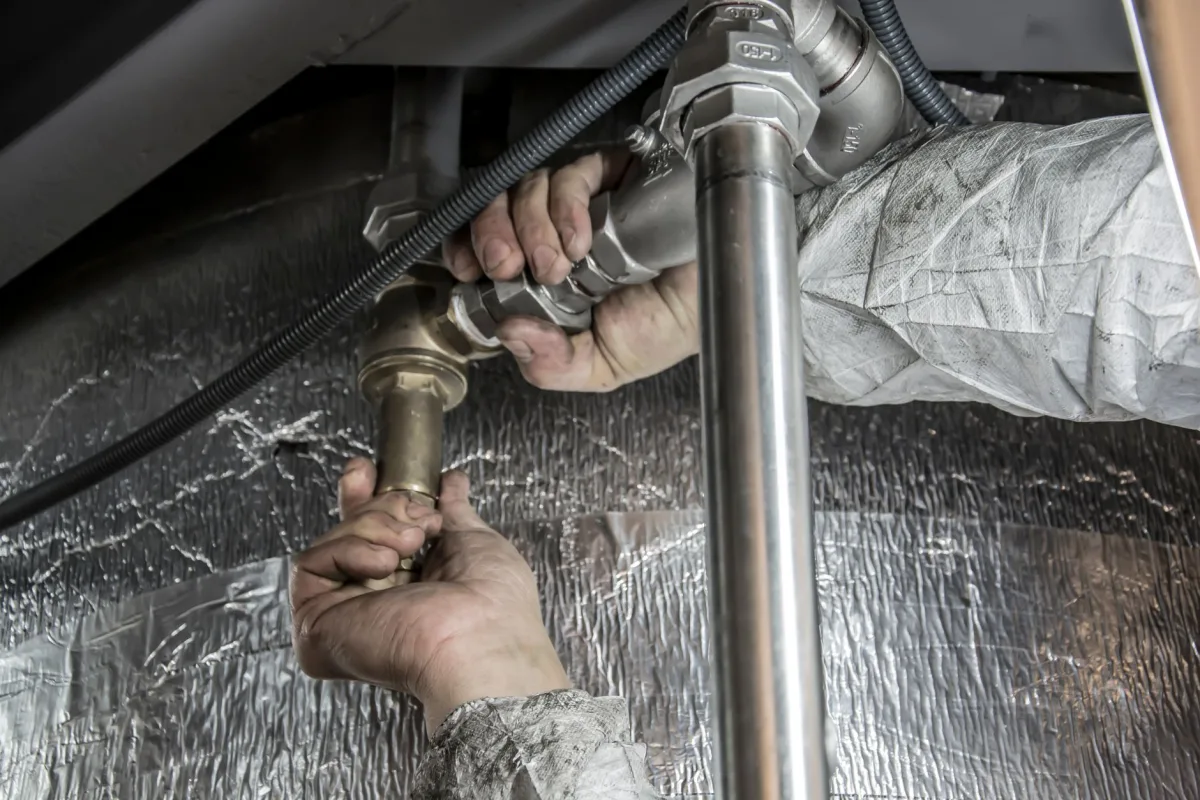
Plenty. You can rinse the effluent filter, walk the drain field looking for wet spots, keep grass mowed and roots away, log every service, and manage water use. What you should leave to a pro is anything requiring you to enter or open the tank. Septic gases can be deadly in minutes, so never lean into an open tank. Measuring sludge and pumping are pro jobs, full stop.
“Is This Normal?” Warning-Sign Questions
The hardest questions to answer from a search bar are the ones about symptoms, because context matters. Here’s how to tell an everyday quirk from a call-someone situation.
When should I call a professional?
Don’t wait and hope if you notice any of these. Each points to a system that needs eyes on it soon:
- Slow drains across the whole house, not just one fixture.
- Gurgling from toilets or drains when water runs.
- Sewage odors indoors or over the tank and field.
- Lush, spongy grass or standing water over the drain field.
- Sewage backing up into the lowest drains, which is an emergency.
Warning: Never open a tank to investigate
It’s tempting to lift a lid and look when something seems off, but septic tanks produce hydrogen sulfide and methane that can overwhelm a person almost instantly. People have died leaning in to retrieve a dropped tool. If you suspect a problem, keep children and pets away, and let a pro with the right equipment handle the tank.
Why does my septic system smell sometimes?
An occasional whiff outside after heavy rain or wind can be normal as gases vent. A persistent smell is not. Indoors, it often points to a dry plumbing trap or a venting issue; outdoors, a strong ongoing odor over the tank or field can signal a full tank or a struggling drain field. If it lingers for more than a day or two, have it checked.
Frequently Asked Questions
Quick-hit answers to the maintenance questions homeowners search most.
How much does routine septic maintenance cost per year?
Spread out, it’s modest. A pump-out every three to five years runs about $300 to $600, so figure roughly $100 to $200 a year on average, plus the occasional filter or minor part. That’s cheap insurance against a failed drain field, which can cost several thousand dollars to $20,000 or more to replace.
Do I really need to keep a septic maintenance log?
Yes, and it’s worth the small effort. Recording each pump-out date, gallons removed, and sludge depth lets you set an accurate interval and avoid paying for unnecessary service. A documented maintenance history also reassures buyers and inspectors, protecting your home’s resale value when you eventually sell.
Is it okay to plant a garden over my septic system?
Grass is ideal over the drain field. Skip vegetables, since effluent contact is a health risk, and avoid trees or large shrubs whose roots invade pipes. Shallow-rooted flowers and ornamental grasses near the edges are usually fine. Never build, pave, or park over the tank or field, which compacts soil and blocks access.
How do I know if my septic maintenance is working?
The best sign is a boring system: drains flow normally, no odors, dry ground over the field, and inspections that come back clean. When a pro measures your sludge at each visit and it lands near a third of the tank at your chosen interval, your schedule and habits are dialed in correctly.
Can I skip pumping if I use very little water?
You can often stretch the interval, but don’t skip inspection. Low water use slows how fast solids build, yet they still accumulate over time. Have a pro measure the sludge level and confirm it’s low before extending your schedule. Going years past your interval on a guess risks damaging the drain field.
The Bottom Line
Most septic maintenance questions boil down to three simple habits: pump on schedule, watch what goes down the drain, and call a pro when the warning signs show up. Skip the miracle additives and the panic, and your system will quietly do its job for decades. When you’re ready to turn these answers into a full routine, our complete septic system maintenance guide ties pumping, inspection, and daily habits together, and you can browse more how-tos anytime in our septic maintenance library.