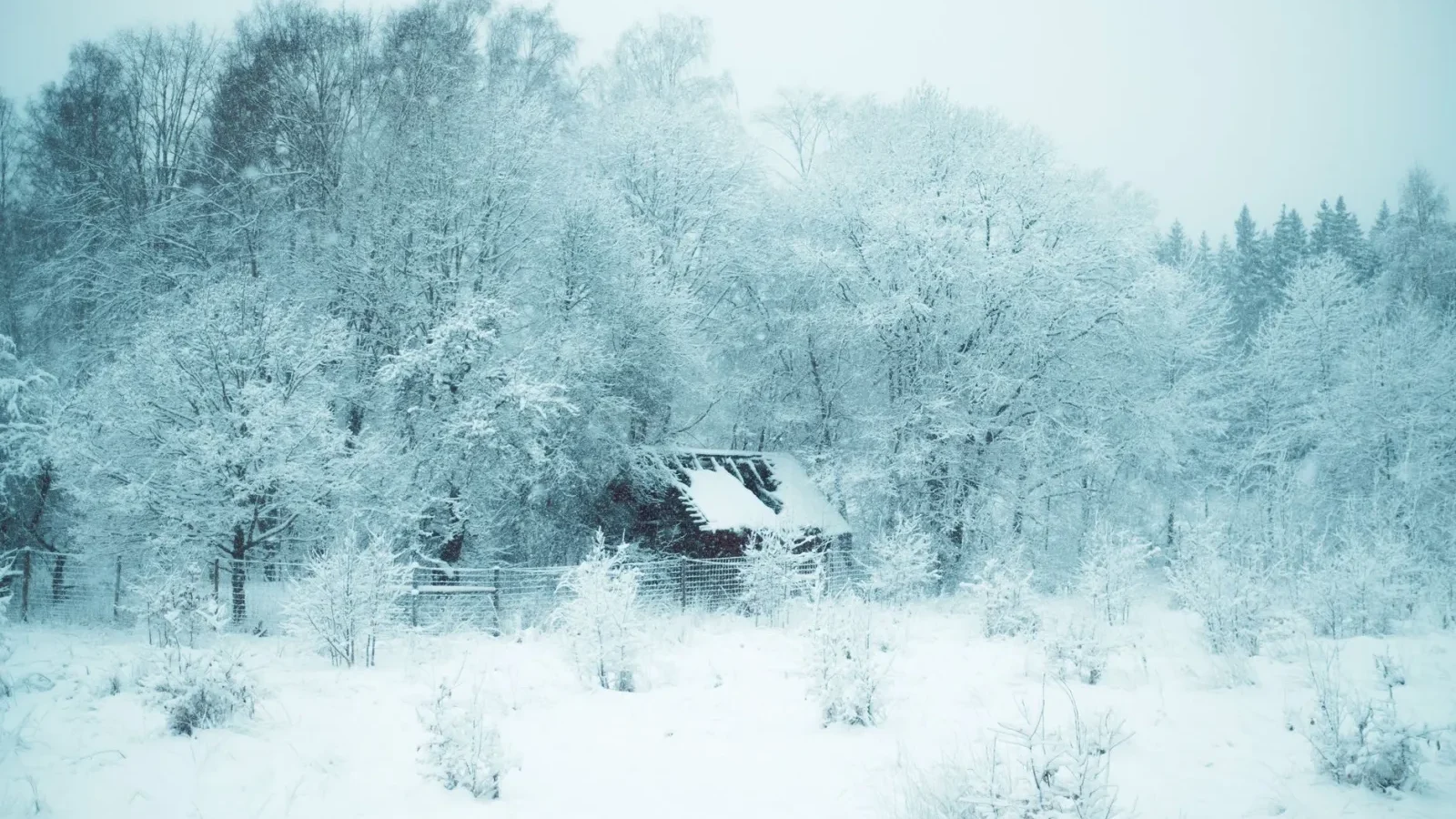
The first hard cold snap of the year is when a lot of septic owners suddenly learn what “frozen line” means the hard way: the toilet won’t flush, the washer backs up, and nothing you pour down the drain seems to move. I’ve spent enough winters on my own system in a cold climate to know that most septic freeze-ups are preventable with a handful of cheap habits started before the ground locks up. The good news is that a septic system is actually pretty good at staying warm on its own, as long as you don’t fight it.
In this guide you’ll learn why septic systems freeze, the steps to winterize yours before the cold hits, how to safely thaw a frozen line if it happens anyway, and when a frozen system crosses over into an emergency.
Key Takeaways
- Freezing usually starts in the pipe between the house and tank, not the tank itself, because that line carries the least warm water.
- Grow or leave 8 to 12 inches of grass or mulch over the tank and lines before winter; that layer of insulation matters more than almost anything else.
- Steady, regular water use keeps the system warm; a vacant house in deep cold is the most common freeze scenario.
- Never pour antifreeze, salt, or boiling water into a frozen septic line, and never add heat with an open flame.
- A frozen line that won’t thaw within a day, or a full backup, is a call-a-pro situation, not a DIY project.
Why Septic Systems Freeze in the First Place
A working septic system generates a surprising amount of its own heat. Warm water from showers, dishes, and laundry flows through it daily, and the bacteria breaking down waste in the tank give off warmth too. Under normal winter use, that steady heat keeps things flowing even when the surface is frozen solid.
Trouble starts when that heat stops arriving. The weakest link is almost always the pipe running from the house to the tank, because it carries the smallest, coolest trickles of water and often sits shallow. When water sits still in that line during a cold stretch, it can freeze and block everything behind it.
The most common freeze triggers
- An empty house. Vacation homes and any home left empty during a cold snap lose their steady flow of warm water, and lines freeze.
- Low, slow water use. A single person barely running water in extreme cold can let a shallow line ice up.
- Bare ground. Fresh snow is a great insulator, but bare, compacted, or plowed soil lets frost drive deep toward the pipes.
- Leaky fixtures. A dripping faucet or running toilet sends a thin, cold trickle that freezes instead of warming the line.
- Shallow or poorly graded pipes. Lines installed too shallow, or with a low spot where water pools, are the first to go.
Knowing which of these applies to you tells you where to focus. A year-round family home rarely freezes from low use, but a hunting cabin or a rental between tenants is squarely in the danger zone.

How to Winterize Your Septic System Before the Cold
The best time to protect a septic system from freezing is in the fall, before the ground locks up. These are the steps I run through every year on my own system, in the order that gives the most protection for the least effort.
- Let the grass grow tall over the system in late fall. Skip the final mow over the tank, pipes, and drain field. A layer of grass 8 to 12 inches long traps a blanket of insulating air and snow right where you need it.
- Add a temporary mulch blanket if you’re worried. For shallow lines or a first cold winter in a new home, spread 8 to 12 inches of straw, mulch, or leaves over the pipe run and tank. It’s cheap, removable insulation.
- Fix every leak and running toilet now. A slow drip in freezing weather is more dangerous than no water at all, because it trickles cold water into the line without warming it.
- Insulate any exposed indoor pipes. Wrap pipes in unheated crawl spaces, basements, or garages with foam pipe insulation so the water reaches the tank still warm.
- Keep vehicles and foot traffic off the system. Driving or walking over the tank and lines compacts the snow and soil, destroying its insulating value and pushing frost deeper.
- Use warm water in a steady rhythm. Spread laundry, dishwashing, and showers across the day rather than all at once, so warm water moves through the system regularly.
None of these require a contractor or special gear. The single biggest payoff is that layer of insulation on top, whether it’s tall grass, snow, or mulch. Frost simply can’t reach a buried pipe as easily when there’s a foot of dead air above it.
Quick tip: leaving home for the winter?
If a house will sit empty through a cold stretch, the safest move is to have the water shut off and the plumbing drained by a pro, the same way you would winterize a cabin. If someone checks the house periodically, ask them to run warm water for a few minutes and flush each toilet on every visit. On my own place, a mid-winter trip once meant a neighbor running the tap twice a week, and that alone kept the line clear.
Winterizing Costs and Effort at a Glance
Most freeze protection is nearly free. Here’s how the common measures stack up on cost and effort, so you can decide what’s worth doing this year.
| Protection step | Typical cost | Effort | Best for |
|---|---|---|---|
| Leave grass tall over the system | Free | Very low | Every septic owner |
| Mulch or straw blanket | $20 to $60 | Low | Shallow lines, first winters |
| Foam-wrap indoor pipes | $15 to $40 | Low | Unheated crawl spaces |
| Fix leaks and running toilets | Varies | Low to medium | Any dripping fixture |
| Professional winterization (empty home) | $100 to $300 | Pro handles it | Vacant or seasonal homes |
Compared to a frozen backup, which can mean an emergency service call and possible pipe damage, spending an afternoon and a bag of mulch is an easy trade.
What to Do If Your Septic Line Freezes Anyway
If drains slow to a crawl or stop entirely during a hard freeze, stay calm and work through it in order. The wrong moves here can crack a pipe or damage your tank, so what you avoid matters as much as what you try.
- Confirm it’s a freeze, not a backup. Freezes usually follow a sharp cold snap and affect the whole house at once. If you also smell sewage or see wet spots outside, it may be a different problem entirely.
- Stop adding water. Don’t keep flushing or running taps hoping to force it through. That just piles more water behind the ice with nowhere to go.
- Warm the house side of the line. If you can reach exposed pipe in a crawl space or basement, gently warm the room and wrap the pipe with towels. Never use an open flame or torch.
- Run warm water in short bursts once it starts moving. As flow returns, warm (not boiling) water helps clear the last of the ice and gets the system back to generating its own heat.
- Call a septic professional if it won’t clear. If nothing moves within a day, or the whole system backs up, a pro has steam or hot-water thawing equipment made for this.

Never do these to a frozen septic system
Do not pour antifreeze, salt, or drain-cleaning chemicals into the system; they poison the bacteria your tank needs and can foul your drain field. Do not pour boiling water into a frozen pipe, which can crack it. And never try to thaw a pipe with an open flame. If you’re unsure, stop and call a professional. When sewage backs up indoors, that’s a health and safety issue, not a DIY one.
A Cold-Snap Example From My Own System
Two winters ago we hit a stretch of nights that never climbed above zero, and the run to my tank had almost no snow cover because the wind had scoured it bare. On the third morning, the kitchen sink drained like molasses and the washer wouldn’t empty. Every fixture was sluggish at once, and the cold timing told me it was a freeze, not the tank.
I stopped all water use immediately, then set a small space heater in the basement near where the drain line exits the foundation and wrapped that exposed section in old towels. By evening the drains gurgled back to life. I ran warm water in short bursts to finish clearing it, then shoveled a thick layer of snow back over the bare pipe run the next day. It never froze again that winter. Total cost: zero dollars and one afternoon of patience.
When a Frozen System Becomes an Emergency
Most freeze-ups thaw with warmth and patience. But a few signs mean it’s time to stop and get help fast rather than keep experimenting.
- Sewage is backing up into tubs, floor drains, or toilets inside the house.
- You smell strong sewer gas indoors that won’t clear.
- The system won’t move any water after a full day of gentle warming.
- You see the tank overflowing or standing effluent at the surface.
Any of these puts you in emergency territory. For a calm, ordered response to a system that’s actively backing up, keep our septic emergency checklist of what to do first handy. If your main symptom is sluggish drains rather than a full backup, our guide to fixing slow drains from a septic system walks through the other likely causes worth ruling out.
Frequently Asked Questions
Can a septic tank freeze solid?
It’s rare for the tank itself to freeze because it sits below the frost line and holds a large volume of warm liquid and active bacteria. The pipes running to and from the tank are far more vulnerable, since they carry smaller amounts of water and often sit shallower. Focus your freeze protection on those lines.
How do I thaw a frozen septic line safely?
Stop adding water, then gently warm any exposed indoor section of the line with a space heater or towels and warm the room around it. Once flow returns, run warm water in short bursts. Never use boiling water, an open flame, salt, or chemicals. If it won’t clear within a day, call a septic pro with thawing equipment.
Should I add antifreeze to my septic system in winter?
No. Automotive or plumbing antifreeze poisons the beneficial bacteria your tank relies on to break down waste and can contaminate your drain field and groundwater. The safe way to prevent freezing is insulation over the lines, steady warm-water use, and professional winterization if the home will sit empty.
Will running water constantly keep my septic from freezing?
Steady, regular warm-water use helps, but a thin constant drip can actually make things worse by trickling cold water that freezes in the line. Instead, spread normal warm-water use across the day. If a house will be empty during deep cold, have the plumbing drained rather than leaving a tap running.
How deep should septic lines be to avoid freezing?
Burial depth depends on your local frost line, which is why codes vary by region. Lines are ideally buried below that frost depth, but many older or shallow installs sit higher. If your lines freeze regularly, ask a local septic professional about adding insulation or, in stubborn cases, reworking the shallow section.
Conclusion
Protecting a septic system from freezing comes down to a few unglamorous habits: leave a thick insulating layer over the lines, keep warm water moving on a regular rhythm, fix drips before the cold, and never resort to antifreeze, salt, or an open flame. Do those before the first hard freeze and the odds of a mid-winter backup drop sharply. If cold weather does catch your system off guard, work slowly and warm it gently. For the full picture on spotting and solving winter trouble, our complete septic troubleshooting guide is a steady place to start, and you can browse more seasonal help in the Problems category. When in doubt, the U.S. EPA’s SepticSmart program is a trustworthy reference for how to care for your system all year.