
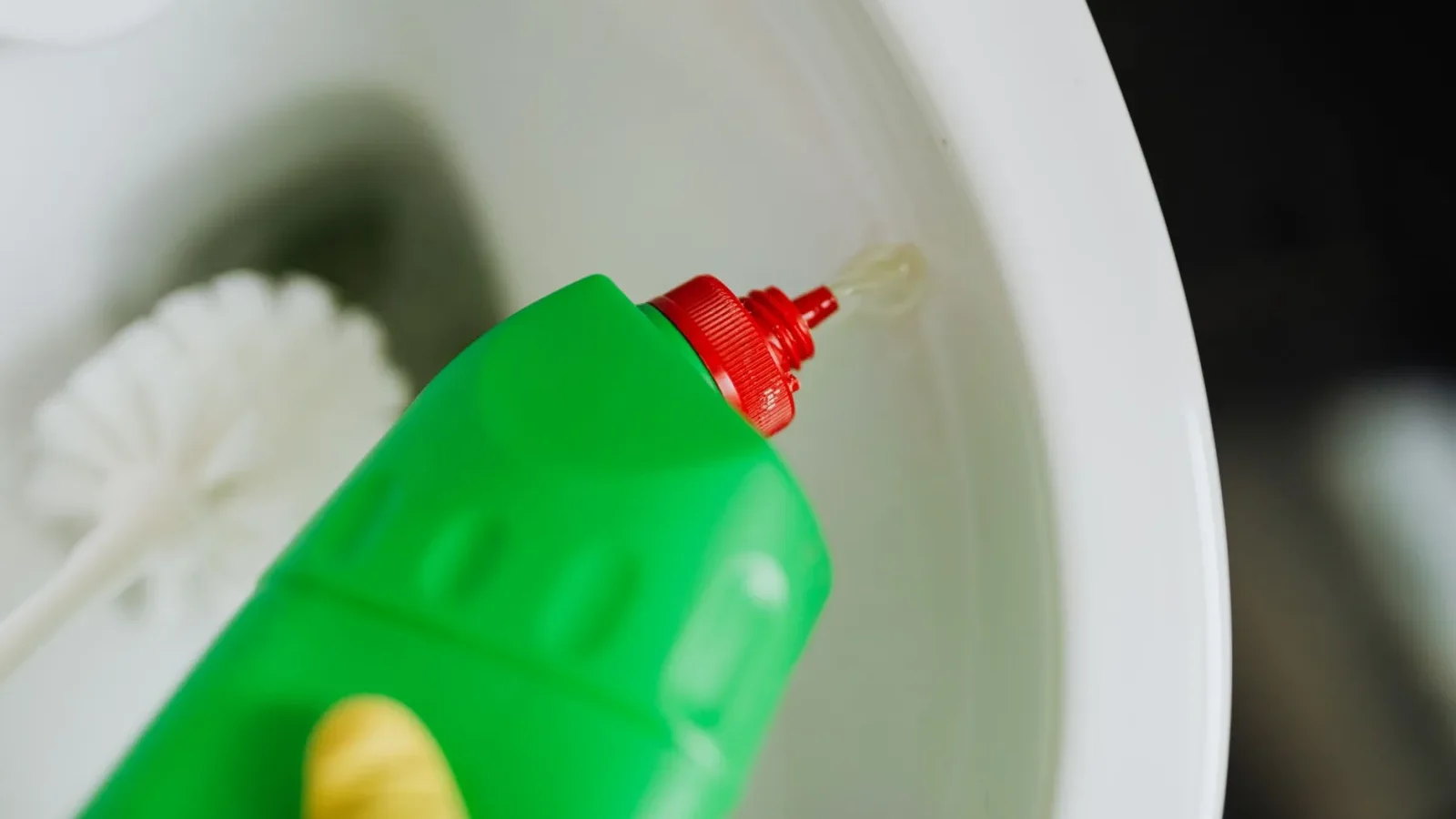
The moment a toilet gurgles or a drain slows to a crawl, the internet is happy to hand you a “quick fix.” Pour in a bottle of this, flush a packet of that, dump a jug of drain cleaner and wait. The trouble is that many of the most repeated septic remedies do nothing at all, and a few of them turn a small, cheap problem into an expensive one. I’ve owned a system for years and watched a neighbor triple a repair bill by chasing bad advice. In this article you’ll learn which common septic troubleshooting myths make things worse, and what to do instead.
Key Takeaways
- Chemical drain cleaners and “root killers” can kill your tank’s bacteria and clog your drain field, do not use them as a septic fix.
- No additive, yeast packet, or treatment will empty a full tank, only pumping (typically every 3 to 5 years) removes solids.
- A backup or soggy yard is a signal to stop adding water and call a pro, not to flush harder or pump the tank yourself.
- Slow drains across the whole house point to the system, not a single clogged pipe.
- When in doubt, the EPA advises inspection and professional service over DIY chemical fixes.
Let’s walk through the myths one by one, starting with the fixes people reach for first when a drain acts up, then work down to the panic moves that come out during a real backup.
Myth 1: Pour Chemical Drain Cleaner Down a Slow Drain
This is the single most common mistake I see. A drain slows, so someone grabs a caustic or acid-based drain opener from under the sink and pours it in. On city sewer that’s already questionable. On septic, it’s genuinely harmful.
Your tank runs on living bacteria that digest waste. A strong chemical cleaner doesn’t know the difference between a clog and those helpful microbes, it kills both. Do this often enough and the tank stops breaking down solids, which sends more sludge toward the drain field. You’ve traded a minor slow drain for a stressed system.
Do this instead: Try hot water and a drain snake for a single slow fixture. If several drains are slow at once, skip the chemicals entirely, that’s a system-level signal, and our guide on how to fix slow drains from a septic system walks through the safe, tiered fixes.
Myth 2: An Additive Will Empty a Full Tank
When people learn their tank is full, the hopeful thought is that a bottle of bacteria or a “septic shock treatment” will digest the buildup and save them a pump-out. It won’t. No product on the market can remove the settled solids that a pump truck exists to haul away.
Biological additives at best support a process that’s already happening on its own. The inert grit, plastic fibers, and undigestible material that accumulate at the bottom of the tank simply don’t break down, no matter what you add. Waiting on an additive while the tank overfills just pushes solids into your drain field, which is the most expensive part of the whole system to replace.

On my own system, I pump every four years for a household of four with a 1,000-gallon tank. That single habit has done more for reliability than any product ever could. If you’re unsure how additives stack up against real service, the difference is spelled out in our rundown of what causes septic system damage.
Myth 3: A Backup Means You Should Flush and Plunge Harder
When sewage starts backing up into a tub or floor drain, the instinct is to fight it, flush again, plunge, run water to “push it through.” Every one of those moves adds liquid to a system that’s already telling you it can’t accept more.
A backup usually means the tank is full, the outlet is blocked, or the drain field is saturated. Adding water in that state can force raw sewage further into your home. The right move is the opposite of instinct: stop using water everywhere in the house and give the system a chance to settle while you get help.
What to actually do during a backup
- Stop all water use, no toilets, showers, laundry, or dishwasher, until the situation is assessed.
- Keep people and pets away from any pooled sewage; it carries bacteria and should be treated as a health hazard.
- Check whether the tank alarm (if you have one) is sounding, and note when the backup started.
- Call a licensed septic pumper or plumber; describe the symptoms and whether one drain or the whole house is affected.
- Do not open the tank lid yourself, septic gases can be dangerous and the tank may be under pressure.
Telling a whole-house backup apart from a simple clog changes everything about your next step. The two-minute check in our guide on diagnosing slow and backing-up drains helps you decide fast.
Myth 4: Standing Water Over the Field Means You Just Need to Pump
A soggy patch or standing water over the drain field is one of the clearest signs of trouble, and one of the most misread. Owners often assume a quick pump-out will fix it. Pumping the tank can buy a little breathing room, but it doesn’t repair a field that has stopped absorbing water.
When effluent surfaces, the soil in the field may be clogged with a layer of biological film, or the field may simply be worn out after decades of use. That’s a diagnosis for a professional, not a chore you can pour or pump your way out of. Treating the symptom while ignoring the field is how people end up surprised by a replacement bill that can run from several thousand dollars to well over twenty thousand.
Myth 5: Yeast, Meat, and Roadkill “Feed” the Tank
Somewhere along the way, folk wisdom decided that flushing a packet of yeast, a hunk of raw meat, or (yes, I’ve heard this one) some questionable roadkill would “kickstart” a sluggish tank. There’s no benefit here, and some real downsides.
Your tank is already teeming with the exact bacteria it needs, delivered fresh every time anyone in the house uses a drain. Adding yeast does nothing measurable. Adding grease-heavy meat actively works against you, since fats and oils are among the worst things for a septic system, floating up into the scum layer and drifting toward the field.

Myth 6: If the Alarm Stops, the Problem Is Solved
Systems with a pump or an aerobic unit have an alarm panel. When it goes off, some owners hit the silence button, hear it stop, and assume the issue passed. Silencing an alarm quiets the buzzer, it does not fix the condition that triggered it.
A high-water alarm usually means effluent is rising faster than the system can move it out, often a failed pump, a stuck float, or a saturated field. The light typically stays on even after you silence the sound. Ignore it and you risk a backup into the house. Note the time, limit water use, and call for service.
A Quick Reference: Myth vs. Reality
| Common Myth | What Actually Helps |
|---|---|
| Pour chemical drain cleaner to clear a slow drain | Hot water and a snake for one drain; a pro if several are slow |
| An additive can empty a full tank | Only pumping removes solids, every 3 to 5 years |
| Flush and plunge harder during a backup | Stop all water use and call a professional |
| Pumping fixes a soggy drain field | Surfacing water needs a field diagnosis, not just a pump |
| Yeast or meat “feeds” the tank | The tank seeds itself; grease harms it |
| Silencing the alarm solves the problem | The condition remains until serviced |
Why Bad Fixes Cost So Much
The thread running through every one of these myths is the same: they treat a symptom while the real problem gets worse underground. A slow drain is annoying; a killed-off tank and a clogged field are a repair project. That’s the trade you make with a panic fix.
The good news is that the honest fixes are usually cheaper than the myths. A pump-out often runs about $300 to $600, far less than a field replacement. Calling a pro early, when you first notice a warning sign, is almost always the frugal choice, not the expensive one. For the full symptom-by-symptom playbook, our complete septic system troubleshooting guide routes each warning sign to the right response, and you can browse related reads in the Problems category.
You can also verify any of this against an independent authority, the U.S. EPA’s SepticSmart program consistently recommends inspection and pumping over chemical shortcuts.
Frequently Asked Questions
Will drain cleaner hurt my septic system?
Yes. Caustic and acid-based drain cleaners kill the beneficial bacteria your tank relies on to break down waste, and repeated use can send more solids toward your drain field. For a single slow drain, use hot water and a drain snake instead, and avoid chemical openers on a septic system.
Can a septic additive replace pumping?
No. No additive can remove the settled solids and grit that accumulate at the bottom of the tank. Only a pump truck can do that, typically every three to five years depending on tank size and household. Additives at best support a process that already runs on its own.
What should I do first if my septic is backing up?
Stop using all water in the house immediately, then keep people and pets away from any pooled sewage. Do not flush, plunge, or run water to force it through. Note when it started and whether one drain or the whole house is affected, then call a licensed septic pro.
Does flushing yeast help a septic tank?
No measurable benefit. A septic tank seeds itself with the bacteria it needs every time anyone uses a drain, so adding yeast changes nothing. Flushing meat or grease to “feed” the tank is worse, fats and oils are among the most damaging things you can put into a septic system.
My septic alarm stopped after I silenced it, is the problem fixed?
Not necessarily. Silencing the alarm only quiets the buzzer; the warning light usually stays on until the underlying issue is resolved. A high-water alarm often means a failed pump, stuck float, or saturated field. Limit water use and call for service rather than assuming it passed.
Conclusion
Almost every harmful septic “fix” shares one flaw, it treats a warning sign as an inconvenience to silence rather than a message to act on. Skip the chemical cleaners, the miracle additives, and the plunge-harder instinct, and you’ll spare yourself the biggest bills a septic owner ever faces. When a symptom shows up, slow down, stop adding water, and match it to the real cause. If you’d like a calm, symptom-first place to start, our septic troubleshooting guide is built for exactly that moment.