
Nothing about a septic system feels more mysterious than the drain field. It sits buried under the lawn, silent and out of sight, until a soggy patch or a slow drain sends you searching for answers at 10 p.m. I’ve owned a septic system for more than a decade, kept my own field running well past the age when a neighbor’s failed, and fielded the same nervous questions from friends who just bought a house on septic.
This post answers the drain field questions people actually type into search: how long a leach field lasts, what you can plant over it, what the warning signs mean, and when to call a pro. Clear answers, no jargon.
Key Takeaways
- A typical drain field lasts 15 to 30 years; good habits push it toward the high end.
- Pumping the tank on schedule (usually every 3 to 5 years) is the single best way to protect the field.
- Grow shallow-rooted grass over the field, never trees, shrubs, or a vegetable garden.
- Standing water, spongy ground, and sewage odors outside are the top early warning signs.
- Replacement can run several thousand to $20,000 or more, so prevention pays for itself.
Drain field basics
What is a drain field, in plain terms?
The drain field, also called a leach field, is the final stage of your septic system. After the tank separates solids and holds them back, the leftover liquid (effluent) flows out into a network of perforated pipes buried in gravel-filled trenches. From there it seeps slowly into the soil, where natural bacteria finish cleaning it before it rejoins the groundwater.
In other words, the tank is the holding and settling stage, and the field is the treatment-and-disposal stage. It’s the largest and most expensive part of the whole system, which is exactly why it deserves attention. If you want the ground-level explainer first, read what a leach field is and how it works.
Is a leach field the same as a drain field?
Yes. “Leach field,” “drain field,” “absorption field,” and “disposal field” all describe the same thing. The names change by region and by whoever installed your system, but they all point to the buried trenches that let treated wastewater soak into the ground. Don’t let the different terms confuse you when reading a county permit or an inspection report.
How big is a typical drain field?
It varies a lot. A field is sized to your home’s expected wastewater flow and the soil’s ability to absorb it, so a three-bedroom house on sandy soil might need far less trench length than the same house on heavy clay. Many residential fields cover a few hundred to a couple thousand square feet. Your septic permit, kept at the county health department, lists your exact dimensions.
Lifespan and cost questions
How long does a drain field last?
Most conventional drain fields last 15 to 30 years. The range is wide because lifespan depends on three big factors: soil type, how much water the household sends through, and how faithfully the tank was pumped. A field serving a careful two-person home in well-draining soil can outlast a neglected one by decades.
What ages a field is the biomat, a thin biological layer that forms where effluent meets soil. In healthy amounts it helps treat wastewater, but if solids escape the tank or the field is chronically overloaded, that layer thickens and seals the soil until liquid can’t soak away. That’s failure.
| Habit | Pushes lifespan up | Pushes lifespan down |
|---|---|---|
| Tank pumping | Every 3-5 years on schedule | Skipping for a decade |
| Water use | Spread out, low-flow fixtures | Marathon laundry days |
| Surface over field | Grass, light foot traffic | Cars, sheds, pavement |
| What goes down drains | Human waste and TP only | Grease, wipes, harsh chemicals |
How much does it cost to replace a drain field?
Replacement is the big-ticket repair in the septic world. Depending on your soil, field size, local permit rules, and site access, a new field commonly runs from several thousand dollars up to $20,000 or more. Alternative systems for difficult soils can push higher. That price gap between routine care and full replacement is the whole reason maintenance matters.
Tip: pumping protects the pricey part
A pump-out usually costs around $300 to $600 every few years. Skipping it lets solids drift into the field and clog the soil, trading a modest bill for a five-figure one. On my own system, sticking to a four-year pumping rhythm is the cheapest insurance I buy.
Landscaping and use questions
What can I plant over a drain field?
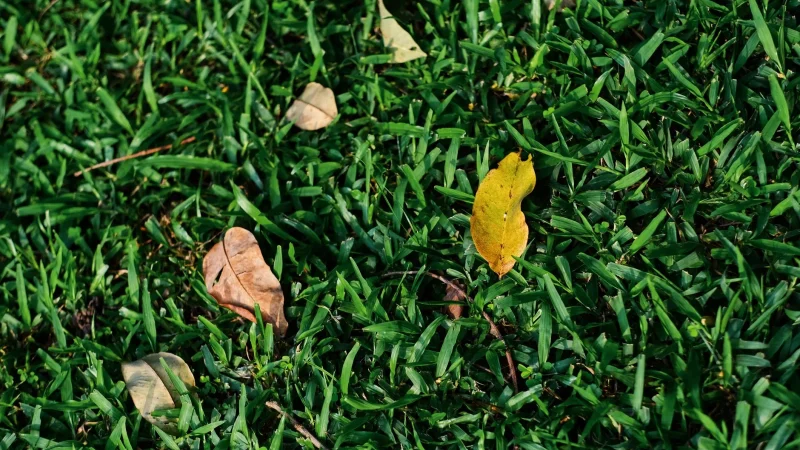
Grass is the gold standard. A healthy lawn holds the soil in place, soaks up extra moisture, and doesn’t threaten the pipes. Shallow-rooted wildflowers and ornamental grasses are usually fine too. The goal is greenery with roots that stay near the surface.
Avoid anything with aggressive, water-seeking roots. Here’s what to keep off the field:
- Trees and large shrubs, especially willows, maples, and other thirsty species
- Vegetable gardens (roots reach into effluent, and produce can be contaminated)
- Raised beds or heavy mulch that trap moisture and block evaporation
- Anything requiring frequent digging or tilling near the trenches
Can I drive or park on the drain field?
No. The weight of vehicles compacts the soil and can crack the buried pipes, both of which choke the field’s ability to absorb water. Keep cars, trailers, RVs, and heavy equipment off it entirely. The same goes for permanent structures like sheds, patios, and above-ground pools, which also block the evaporation the field relies on.

Why is the grass greener over my drain field?
A little extra green can be normal, since the field adds moisture and nutrients to the soil above it. But bright, lush, fast-growing grass in one strip, especially if the ground feels spongy, often means effluent is surfacing instead of soaking down. Extra-green grass is a clue to watch, not automatically a sign of health.
Warning signs and when to act
What are the signs a drain field is failing?
Failing fields tend to announce themselves in a few consistent ways. If you notice any of these, don’t wait, because early action can mean the difference between a repair and a replacement:
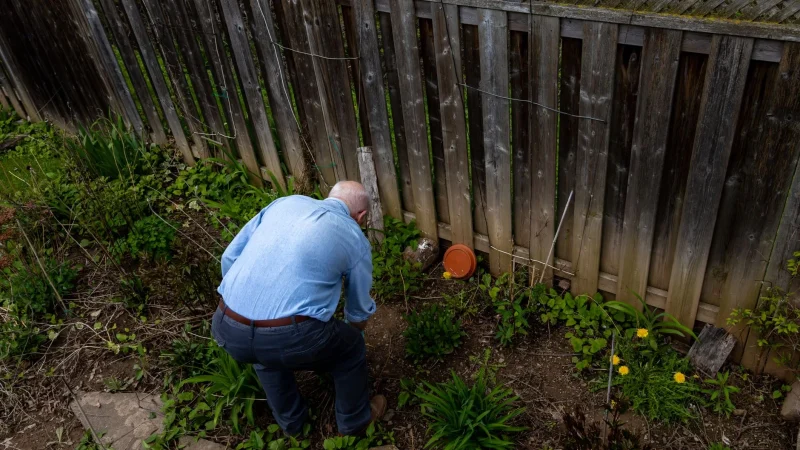
- Standing water or squishy, always-wet ground over the field, even in dry weather
- Sewage or sulfur odors outdoors near the trenches
- Slow drains and gurgling toilets throughout the house at once
- Sewage backing up into the lowest drains or fixtures
- A sudden strip of unusually lush, dark-green grass
For a deeper walk-through of each symptom and how urgent it is, see our guide to the signs of drain field failure to watch for.
What should I do if I spot these signs?
Move through these steps in order:
- Reduce water use right away. Cut back on laundry, dishwashing, and long showers to give the field a chance to catch up.
- Check when the tank was last pumped. A tank overdue for service can flood the field, and a pump-out sometimes buys time.
- Keep everyone off the wet area. Surfacing effluent is a health hazard; fence it off from kids and pets.
- Call a licensed septic professional. They can inspect the tank, confirm whether the field is truly failing, and lay out options.
- Pull your permit and records so the pro can see the field’s size, age, and pumping history.
Warning: surfacing sewage is a health hazard
Effluent that reaches the surface can carry bacteria and viruses. Don’t mow, dig, or let children or pets play on a wet, smelly patch over the field. Treat it as a call-a-pro situation rather than a DIY weekend project.
Can a failing drain field be fixed, or does it always need replacing?
It depends on the cause. If the trouble is simply a neglected tank flooding the field, pumping and better habits can sometimes restore normal function. If the soil itself has sealed with a heavy biomat, no additive or chemical will un-clog it, and replacement is usually the honest answer. A professional inspection is the only reliable way to tell which situation you’re in. The complete guide to your septic drain field covers restoration versus replacement in detail.
Frequently Asked Questions
How often should I pump the tank to protect the drain field?
For most households, every 3 to 5 years is the accepted range, though larger families or smaller tanks may need it sooner. Regular pumping keeps solids from escaping into the field and clogging the soil. It’s the single most cost-effective habit for extending your leach field’s life.
Do septic additives help the drain field?
No. Your tank already grows the bacteria it needs from everyday waste, and the EPA notes a normal system doesn’t require additives. Once soil around the trenches has sealed, nothing poured down a drain can reopen it. Save your money for scheduled pumping instead.
How far should the drain field be from a well or house?
Setback distances are set by local code and vary by state and county. As a rough guide, many areas require the field to sit at least 50 to 100 feet from a private well and a set distance from the house and property lines. Check your permit or county health department for the exact figures.
Can I build a patio or shed over the drain field?
No. Covering the field with pavement, structures, or heavy landscaping blocks the evaporation it needs and can compact or crack the pipes. Keep the area open, grassy, and clear of anything permanent so the soil can breathe and absorb water freely.
Is standing water over the field always an emergency?
Not always, but it’s never something to ignore. Water after a heavy storm may drain on its own, but water that lingers in dry weather or smells of sewage points to a failing field. Reduce water use and call a septic professional promptly to diagnose the cause.
Conclusion
Your drain field does its work quietly, and with a little attention it can keep doing so for decades. Pump the tank on schedule, keep grass (and nothing heavier) over the trenches, spread out your water use, and treat any wet, smelly patch as a signal to act rather than a nuisance to ignore. Those few habits protect the most expensive part of your system. If you want to go deeper, browse the rest of our drain field articles or start with the complete guide to your septic drain field, and lean on a licensed pro whenever something feels beyond a simple fix. You can also review the official EPA SepticSmart guidance for homeowners.