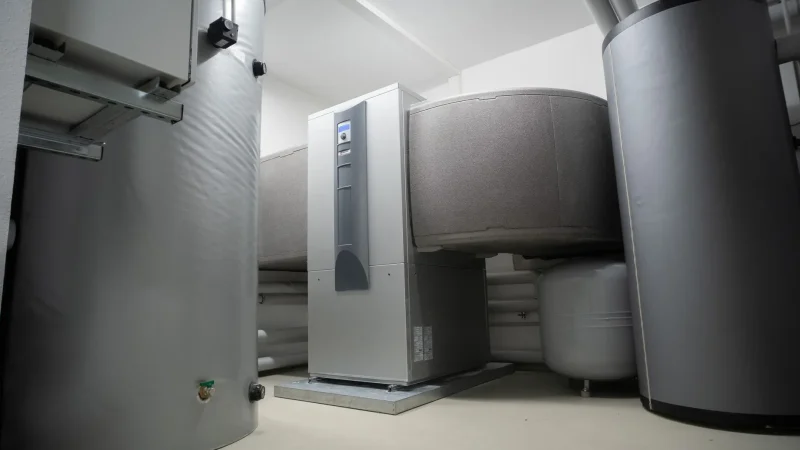
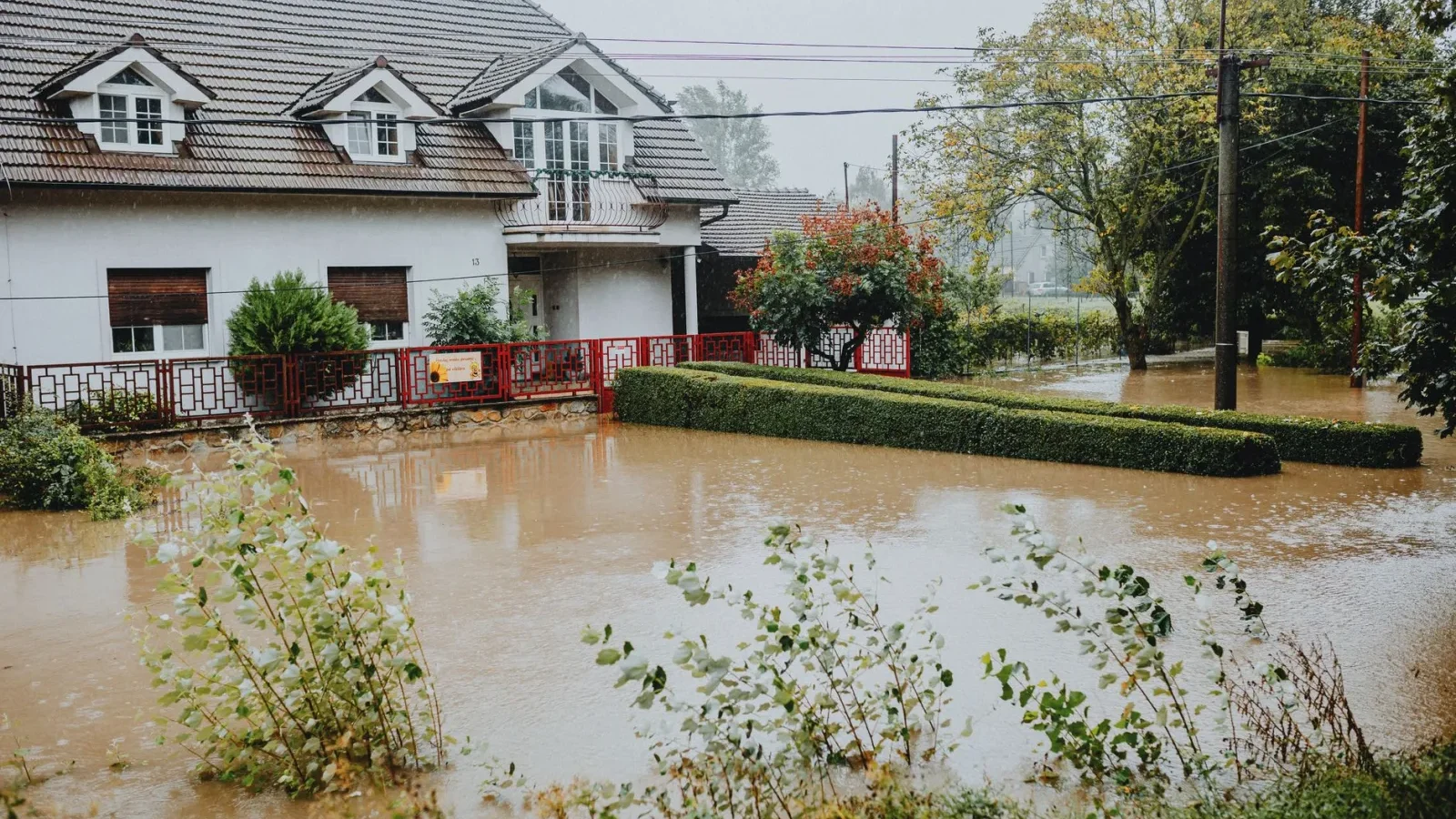
The worst septic call I ever took came at 2 a.m. during a tropical storm. A family a few counties over had sewage rising in their downstairs shower while rain hammered the roof, and they wanted to know what had broken. Nothing had broken. Their drain field was simply underwater, and the household waste had nowhere to go. That night taught me the plain truth about a septic system after heavy rain: the tank is rarely the culprit, the saturated ground around it is. Once you understand that, storms get a lot less frightening.
Key takeaways
- After a heavy storm, the soil around your drain field fills with water and can no longer absorb effluent, which is what causes most backups, not a broken tank.
- The safest move during a flood is to stop using water inside the house until the ground drains, since every flush and load adds to a system with no room left.
- Do not pump a flooded tank while the ground is saturated, because an empty tank can float or crack under the pressure of the surrounding groundwater.
- Most systems recover on their own within a few days of dry weather, though a field that surfaces after every storm may be undersized or aging.
- Good grading, working gutters, and keeping traffic off wet soil protect a field far more than any additive or emergency fix.
Why a septic system backs up after heavy rain
Your septic system leans on the soil to finish the job the tank starts. Treated water, called effluent, leaves the tank and trickles out through perforated pipes buried in the drain field. From there it soaks down through the soil, which filters it a final time before it rejoins the groundwater. That whole process only works if the soil has room to accept the water.
Heavy rain steals that room. When the ground is soaked, the space between soil particles that normally holds air fills with water instead. A saturated drain field after rain behaves like a soaked sponge: it cannot mop up one more spill. Effluent leaving the tank has nowhere to drain, so it stacks up. The water level in the tank climbs, then backs toward the lowest drains in the house.
There is a second way storms cause trouble. If your tank has a cracked wall, a loose lid, or aging pipe seals, rising groundwater seeps straight in from outside. Now the tank is filling from two directions at once, house waste from the inlet and clean groundwater from every gap. That inflow problem is one of the quieter reasons a septic tank fills up fast, and it shows up most dramatically right after a storm.
So a flooded septic system is usually a hydraulic problem, not a mechanical failure. The parts are fine. The system has simply run out of somewhere to put the water. That distinction matters, because it changes what you should and should not do while the rain is still falling.
Warning signs your system is flooded or backing up
A storm-stressed system sends clear signals if you know where to look. Some show up indoors, others out in the yard. Watch for these during and after a heavy rain:
- Drains and toilets that empty slowly or gurgle, especially the lowest fixtures in the house, like a basement or ground-floor bathroom.
- Sewage odor indoors or a sudden sulfur smell near floor drains as backed-up gases push through the traps.
- Soggy, spongy ground or standing water directly over the drain field, sometimes with a grayish tint or a faint sewage smell.
- Bright green, fast-growing grass over the field lines, a clue that effluent is surfacing and feeding the turf.
- Waste backing up into tubs, showers, or the lowest toilet, which is the point where you must stop using water at once.
Not every wet patch is a crisis. After a genuine downpour, some pooling is normal and clears once the sun returns. The pattern to worry about is water or odor that lingers over the field long after the rest of the yard has dried. Our guide to wet spots forming over the septic system walks through how to tell ordinary puddling from a field that is actually surfacing effluent. If the same soggy patch returns after every storm, that leans toward the signs a septic system is failing rather than a one-off soaking.
What to do during a flood
When the ground is saturated and water is threatening to back up, your goal is simple: put as little into the system as possible and let the soil catch up. Work through these steps in order.
- Cut your water use to the bare minimum. Skip laundry and the dishwasher, take short showers or none at all, and flush only when you truly must. Every gallon you save is a gallon the flooded field does not have to handle.
- Spread out what you cannot avoid. If several people need to shower, stagger them across the day rather than running the well pump hard in one burst.
- Check the tank lids and risers, but do not open them. If a lid is loose or shifting, that is a route for surface water to pour in, so note it for repair once things dry out.
- If water is actively backing up into the house, stop all water use immediately and wait. Running more water at that point only pushes sewage further into your living space.
- Keep people and pets away from any surfacing effluent in the yard. Floodwater mixed with septic waste carries bacteria and should be treated as a health hazard.
If your home sits in a flood zone and water is rising toward the house itself, your family’s safety comes first, well before the septic system. The CDC flood safety guidance covers protecting your health when floodwater and sewage mix, which is the real risk in a severe event.
What not to do during and right after a flood
Good intentions cause a lot of the lasting damage I see after storms. A few moves feel helpful in the moment but make things worse or turn a temporary backup into a real repair bill. Avoid these:
- Do not pump the tank while the ground is saturated. An empty tank surrounded by high groundwater can float up out of the soil or crack under the pressure. Wait until the water table drops.
- Do not drive or park on the wet drain field. Saturated soil compacts easily, and that compaction can cut how fast the field drains for months.
- Do not pour bacteria additives or “shock” treatments into the tank. They do nothing for a hydraulic overload and can waste money you will want for real repairs.
- Do not dig into the field to “help it drain.” You risk damaging the pipes and the soil structure that make the field work.
- Do not assume a backup means the tank needs replacing. Give it a few dry days first, because most storm backups clear on their own.
That first item catches people off guard every season. It feels logical to empty a tank that is backing up, but an empty concrete or plastic tank is buoyant, and saturated ground is exactly the condition that lets it lift or shift. Federal guidance says the same thing. The EPA septic resources stress waiting until floodwaters recede before pumping or inspecting a system.
How to recover after the water goes down
Once the rain stops and the yard begins to dry, the system usually rights itself. Your job shifts from damage control to a careful restart. Ease back into normal use rather than dumping a week of postponed laundry into the tank the moment the sun comes out.
Give the drain field time to breathe. As the water table drops, the soil regains its capacity to absorb effluent, and the tank level falls back to normal. Add water use back gradually over a few days. If you had any electrical components underwater, such as a pump or an alarm float in an advanced system, have them checked by a professional before you rely on them, since flooded electrics can fail without warning.
Here is how a typical storm plays out from start to recovery, so you know which stage you are in and what your move should be.
| Stage | What is happening | Your move |
|---|---|---|
| During the storm | Soil saturates, field loses capacity | Cut water use hard, watch for backups |
| Peak flooding | Water may back up or surface | Stop all water use, avoid the field |
| First 1-3 dry days | Water table starts to drop | Resume water use slowly, keep off wet soil |
| Recovery week | Field regains absorption | Return to normal, check pumps and lids |
| Repeat flooding | Backup returns each storm | Call a professional, assess field health |
Most homeowners never get past the recovery week. If you do, and every storm now brings a backup or a soggy field, that is the signal to bring in a septic professional. A field that floods repeatedly is often undersized for the household, clogged with an aging biomat, or built in soil that drains poorly. For the wider picture of storm and non-storm failures alike, our guide to common septic problems lays out how to read each symptom.
Ray’s field tip
On my own system, I keep a two-day laundry buffer whenever a big storm is in the forecast. I run anything essential a day early, then go quiet on water the moment the rain starts. The other habit that has saved me real money is a small mark I painted on a post near the drain field. If standing water reaches that line, I know the field is at capacity and I shut water off inside until the mark clears. It costs nothing and turns a guessing game into a simple yes-or-no reading.

Frequently Asked Questions
How long does it take a septic system to recover after heavy rain?
Most systems bounce back within a few days of dry weather, once the water table around the drain field drops and the soil regains its ability to absorb effluent. The exact timing depends on your soil type and how badly the ground was saturated. Sandy soil drains fast and may recover in a day, while clay-heavy ground can take a week or more. Ease your water use back gradually rather than all at once, and if backups keep returning after every storm, that points to a deeper field problem worth a professional look.
Should I pump my septic tank after a flood?
Not while the ground is still saturated. An empty tank surrounded by high groundwater can float up out of the soil or crack under the outside pressure, turning a temporary backup into a costly repair. Wait until floodwaters recede and the soil dries before pumping or inspecting. Once the ground has drained, a pump-and-inspect is a smart way to clear any silt or debris that washed into the tank and to check for cracks or a shifted lid that let groundwater in during the storm.
Is it safe to use water when my drain field is flooded?
Keep it to the absolute minimum. When the field is saturated, it cannot accept more effluent, so every gallon you send from the house has nowhere to go and pushes the system closer to a backup. Skip laundry and the dishwasher, take short showers, and flush only when necessary until the ground drains. If waste starts backing up into tubs or the lowest toilet, stop all water use at once, because running more only forces sewage further into your living space.
Why does my yard smell like sewage after it rains?
A saturated drain field can push effluent and its gases up toward the surface, which is where the odor comes from. Low air pressure before and during a storm also lets tank gases escape more easily, and damp, heavy air holds that smell close to the ground instead of dispersing it. If the odor fades once the yard dries out, it is usually the storm rather than a failure. A sewage smell that lingers over the field for days after the rain, especially with soggy ground, deserves a closer inspection.
Can heavy rain permanently damage a septic drain field?
A single storm rarely causes permanent harm. The lasting damage usually comes from what people do during the flood, such as driving on the wet field and compacting the soil, or pumping a tank that then floats. Repeated flooding is the real long-term threat, because each saturation cycle stresses the biomat and the soil structure that make the field work. If your field floods every storm, address the cause, whether that is poor grading, roof runoff draining onto the field, or an aging system, before it fails for good.
Ride out the storm, then let the ground recover
A septic system after heavy rain is not broken so much as boxed in. The tank is doing its job, but the soil that finishes the work has run out of room, and the only real cure is time and a lighter hand on the faucet. Cut your water use while the ground is soaked, keep off the wet field, resist the urge to pump a flooded tank, and let a few dry days do the rest. If backups keep coming with every storm, that is your system telling you something deeper needs attention. For more plain-language help spotting and solving those issues, browse the rest of our septic problems archive.