The trouble with septic maintenance is that most of it isn’t due on any obvious day. There’s no monthly bill to remind you, so the tank quietly does its job until the year it doesn’t. After the winter I let a snowdrift bury my inspection lid and forgot about the system for months, I started treating septic care like changing furnace filters: a task tied to the season, not to my memory. This guide breaks the whole year into four short, low-effort checklists so nothing important slips through the calendar cracks.
Key Takeaways
- Spread 4 seasonal check-ins across the year so no single chore piles up or gets forgotten.
- Winter is about preventing freezing; summer is about not overloading the drain field with water.
- Do a walking inspection of the tank area and drain field at least twice a year, spring and fall.
- Keep pumping on its own 3-to-5-year clock; seasonal checks catch problems between pump-outs.
- Write every check in a dated log so patterns, and warning signs, are easy to spot.
Why Tie Septic Care to the Seasons?
A septic system reacts to weather more than most owners realize. Freezing temperatures, spring runoff, summer guests, and fall leaf drop each put a different kind of stress on the tank and drain field. Matching your tasks to the season means you’re preparing for the problem before it shows up, not cleaning up after it.
The seasonal approach also solves the biggest maintenance failure: forgetting. Anchoring a quick check to something you already do, raking leaves, winterizing the hose bib, opening the pool, turns invisible upkeep into a visible habit. None of these tasks takes long. Most are a ten-minute walk with a notebook. For the full picture of how these fit together over years, our complete septic system maintenance guide is the hub this checklist branches from.
The one clock that ignores seasons
One thing does not follow the calendar: pumping. The EPA recommends inspecting and pumping a typical household tank every three to five years, based on tank size and how many people live there. That schedule runs on its own timeline. The seasonal checks below are what keep the system healthy between those pump-outs, not a replacement for them.

Spring: Wake-Up Inspection
Spring is your best full inspection of the year. The ground has thawed, and the melt and rain reveal weak spots fast. This is the season to walk the whole system and catch anything winter did.
- Walk the drain field. Look for spongy ground, standing water, or unusually lush green stripes over the trenches, all early signs of trouble surfacing.
- Check for settling or ponding. Spring runoff can pool over a struggling field. Note anywhere water sits for more than a day after rain.
- Inspect the tank lid and risers. Confirm lids are secure and not cracked. Frost heave can shift them over winter.
- Listen at the drains. Gurgling toilets or slow tubs after the wet season hint at a system working too hard.
- Divert roof and sump water. Make sure downspouts and gutters send snowmelt away from the drain field, not onto it.
Spring is also when a lot of owners schedule their pump-out, simply because it’s an easy time of year to dig and access the tank. If yours is due, book it before the summer rush.
Tip: Photograph your drain field every spring
Snap the same few phone photos of your drain field each April from the same spots. Side by side over a few years, they reveal slow changes, a wet patch that keeps growing, grass that greens up too early, that are almost impossible to notice day to day. It’s the cheapest early-warning system you’ll ever build.
Summer: Manage the Water Load
Summer is peak-load season. School’s out, guests visit, laundry piles up from pool towels and camping trips, and irrigation soaks the yard. All of that lands on the same tank and drain field. The theme for summer is simple: don’t overload it.
- Spread out water use. Run laundry across the week, not all on Saturday. A tank handles a steady trickle far better than a flood.
- Watch the drain field with the sprinklers. Never point irrigation at it. Saturated soil can’t accept effluent, and the field backs up.
- Prep for guests. A full house can double daily water use. Stagger showers and hold big laundry loads until the crowd thins out.
- Keep vehicles off the field. Summer parties mean cars on the lawn. Compacted soil over the drain field is slow, expensive damage.
These habits carry through the year, but summer is when they matter most. If you host often, our guide to the best habits to keep your septic system healthy goes deeper on load-spreading routines worth making permanent.
A worked example: the Fourth of July weekend
Say ten people stay over a holiday weekend. A single person uses roughly 50 to 70 gallons of water a day, so ten guests can dump 500 to 700 gallons through the system daily, on top of your own. On a 1,000-gallon tank, that’s a big surge in a short window. My fix is boring but it works: I run zero laundry that weekend, ask everyone to keep showers short, and save the towel washing for Tuesday. Spreading that load out is the difference between a happy system and a gurgling one.

Fall: Prepare for the Cold
Fall is prep season. Everything you do now is aimed at getting the system through winter without a freeze or a buried access lid. It’s also a great time for a second walking inspection while the ground is still workable.
- Mark your lids and cleanouts. Push a tall stake or flag next to each so you can find them under snow without guessing.
- Let the grass grow a little long. A slightly longer stand of grass over the tank and field acts as insulation against a hard freeze.
- Rake, don’t smother. Clear heavy leaf mats off the drain field so the soil can still breathe, but a light layer of mulch over pipes near the surface adds warmth.
- Fix any dripping fixtures. A slow, constant drip is the classic cause of a frozen septic line in winter. Trickling water freezes; a full flush doesn’t.
- Do your fall inspection. Repeat the spring drain-field walk. Two looks a year catch problems seasons before they become emergencies.
If you’re in a cold climate and plan to travel or leave the home empty, fall is when you decide how to keep the system from freezing while you’re gone. A house with no warm water flowing through it is a house where pipes and shallow lines are most at risk.
Winter: Protect Against Freezing
Winter septic care is mostly about leaving things alone and protecting the parts that can freeze. The heavy lifting happened in fall. Now the job is monitoring and a few don’ts.
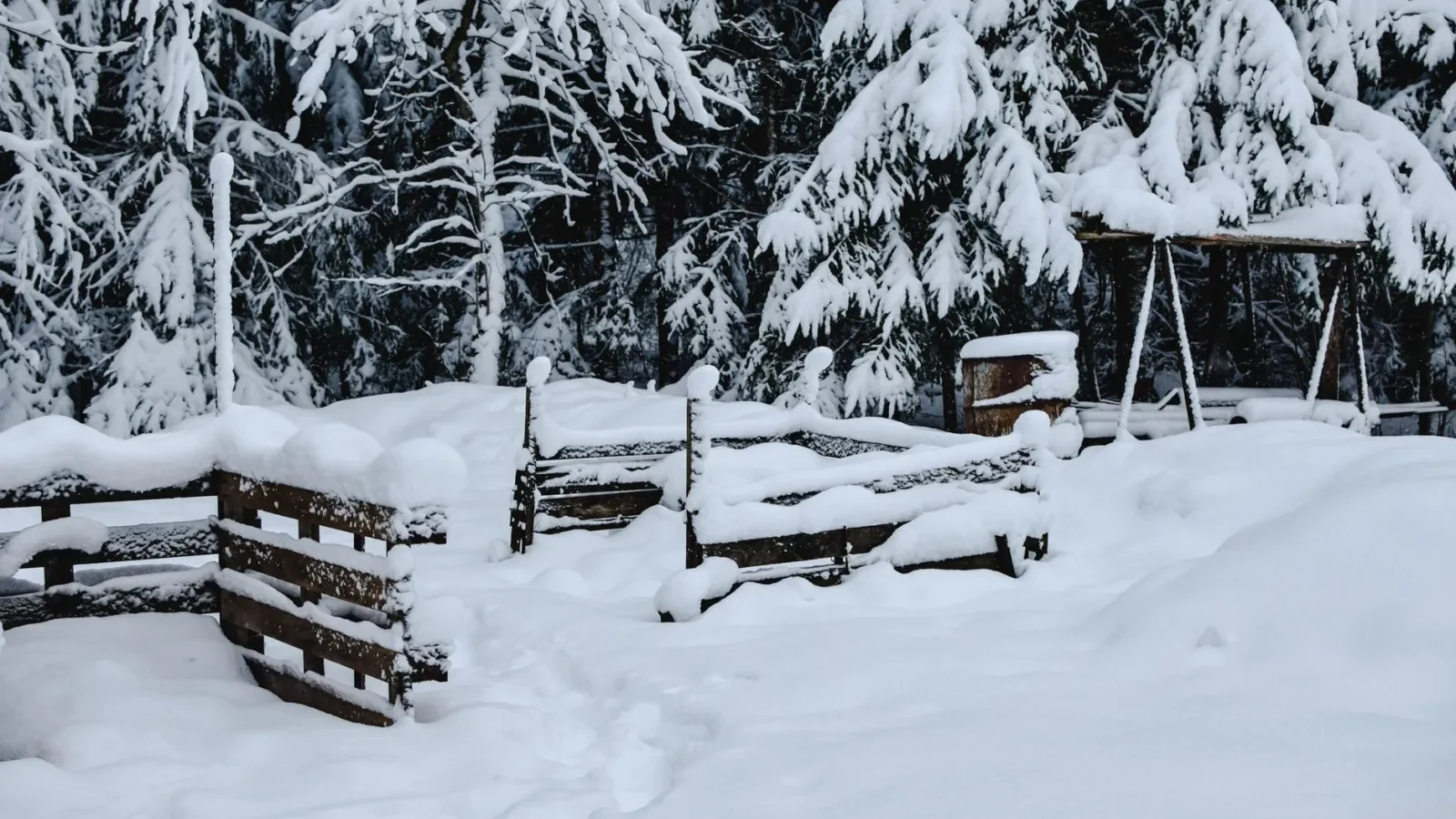
- Don’t compact the snow. Keep snowmobiles, plows, and foot traffic off the tank and drain field. Packed snow loses its insulating air and lets frost drive deeper.
- Keep warm water moving in cold snaps. Running the dishwasher or a warm load during a deep freeze pushes warm water through the lines and helps prevent freezing.
- Never add antifreeze to the system. It kills the bacteria your tank depends on and can contaminate groundwater. If a line freezes, call a pro to thaw it safely.
- Watch for slow drains. Sluggish drainage in winter can mean a partial freeze forming. Address it early before it becomes a full block.
That’s the whole winter list. It’s short on purpose. The season is about restraint, not action, and about being able to find your lids if something does go wrong under the snow.
The Year at a Glance
Here’s the full calendar in one place. Print it, tape it inside a cabinet, or drop the dates into your phone. The goal is that none of it lives in your head.
| Season | Main goal | Key tasks |
|---|---|---|
| Spring | Inspect after thaw | Walk the drain field, check lids, divert runoff, book pumping if due |
| Summer | Manage water load | Spread out laundry, keep irrigation and cars off the field, prep for guests |
| Fall | Prep for cold | Mark lids, insulate with grass, fix drips, do second inspection |
| Winter | Prevent freezing | Don’t compact snow, keep warm water moving, no antifreeze, watch drains |
The single habit that ties all four seasons together is writing things down. A dated note after each check, “spring 2026: field dry, lids fine, no gurgling,” turns four scattered walks into a record you can actually read trends from. Our guide on keeping a septic maintenance record that pays off shows exactly what to log and why it protects your resale value.
Frequently Asked Questions
Quick answers to the seasonal septic questions homeowners ask most.
What septic maintenance should I do in the winter?
Winter is mostly about preventing freezing. Keep snowmobiles and vehicles off the tank and drain field so snow stays fluffy and insulating, run warm water through the lines during deep freezes, fix any dripping faucets, and never pour antifreeze into the system. If a line freezes, call a pro rather than trying to thaw it yourself.
How often should I inspect my own septic system?
Do a walking inspection of the tank area and drain field at least twice a year, ideally spring and fall. Look for standing water, spongy ground, odors, and slow drains. This is separate from professional inspection and pumping, which the EPA recommends every three to five years for a typical household.
Does summer heat hurt a septic system?
Heat itself isn’t the problem; the extra water use in summer is. Guests, pool towels, and irrigation can overload the drain field, especially when the soil is already saturated. Spread laundry across the week, keep sprinklers off the field, and stagger showers when the house is full to avoid backups.
Should I do anything special to my septic before a long vacation?
In warm months, little is needed beyond a quick pre-trip inspection. In winter, an empty home with no warm water flowing is at risk of frozen lines. Have someone run water occasionally, keep the heat on low, and make sure your access lids are marked so a helper can find them if needed.
Do seasonal checks replace septic pumping?
No. Pumping runs on its own three-to-five-year clock based on tank size and household use, regardless of the season. Seasonal checks catch problems between pump-outs and help you protect the drain field, but they don’t remove the sludge and scum that only a pump-out can clear.
Conclusion
Septic maintenance fails when it depends on remembering. Tie it to the seasons instead, four short check-ins built around things you already do, and the whole system practically maintains itself. Inspect in spring, manage water in summer, prep in fall, and protect against freezing in winter, logging each step as you go. When you’re ready to turn these checks into a complete routine, browse our full septic maintenance library, and lean on the U.S. EPA’s SepticSmart program whenever you want the official word on timing.