Drain flies arrive the way an uninvited houseguest does: suddenly, in numbers, and always hovering near a sink. Plenty of homeowners on septic take one look at the swarm and assume the tank is failing. Most of the time these fuzzy little gnats are breeding in the slime lining a drain, not rising out of the tank at all. I have cleared them from my own guest bathroom more than once, and the fix had far less to do with bug spray than with a stiff brush. Here is what pulls them in and the steps that genuinely get rid of them.
Key takeaways
- Septic tank drain flies (also called moth flies) breed in the organic film coating slow or seldom-used drains, not in the tank water itself.
- A strip of tape laid over a drain overnight tells you exactly which drain is the nursery.
- Scrubbing the film out of the pipe is what breaks the cycle, not spraying the adults you can see.
- Adults live only a week or two, so steady cleaning clears an infestation in about three weeks.
- A heavy swarm from a floor drain or several drains at once can point to a slow or failing system worth a closer look.
What septic drain flies actually are
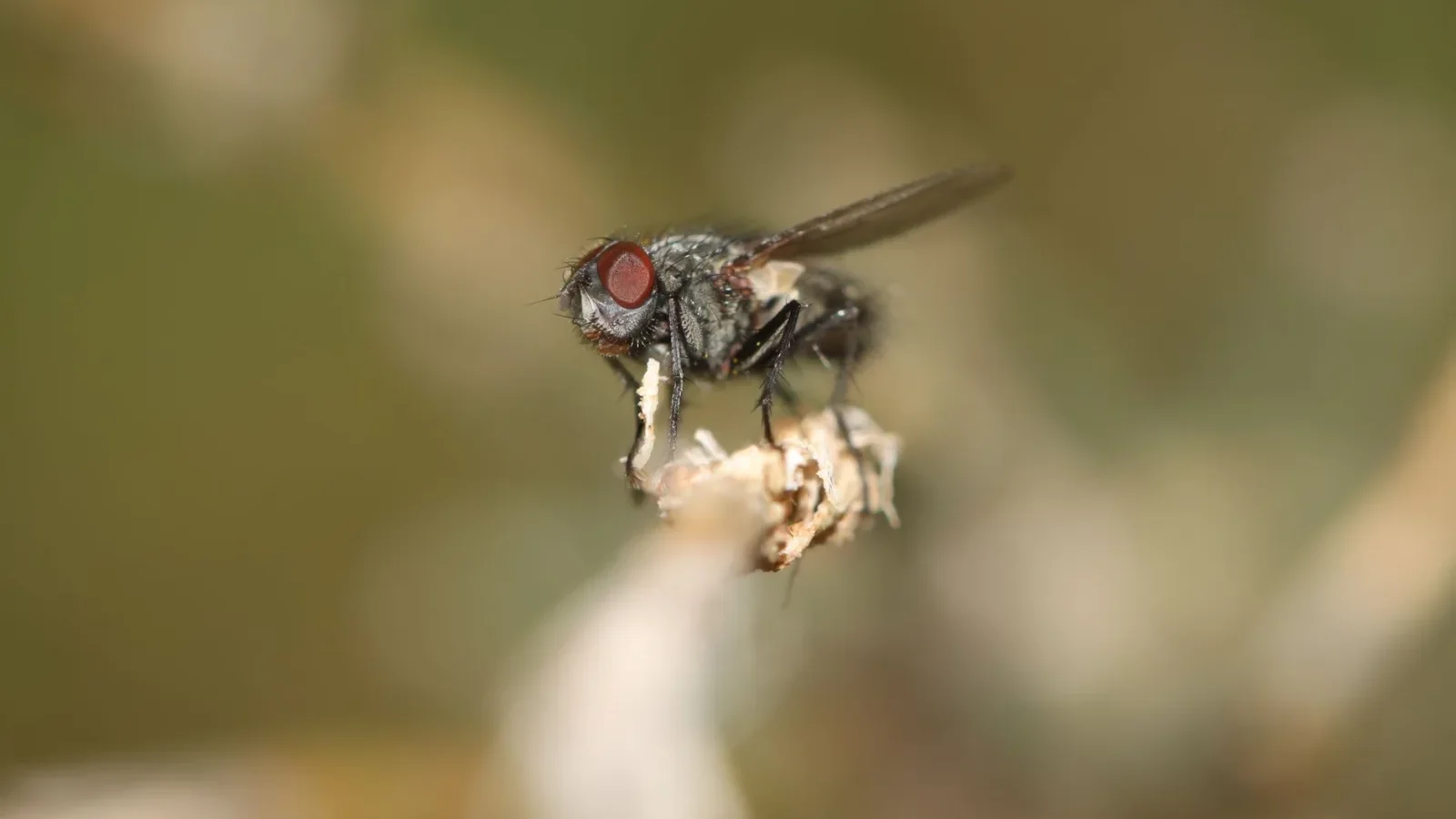
The insect most people call a drain fly is a moth fly, part of the family Psychodidae. They are tiny, roughly one eighth of an inch, with a fuzzy gray or tan body and wings held like a little roof over the back. Up close they look more like miniature moths than flies.
They are weak fliers. Instead of buzzing around your head like a fruit fly, they tend to sit flat on a wall or mirror near the drain and make short, hopping flights when disturbed. That behavior alone helps you tell them apart from other kitchen and bathroom pests.
- Moth flies rest on surfaces near drains and fly in short bursts, while fruit flies hover around ripe fruit and trash.
- Fungus gnats are slimmer with long legs and swarm around houseplant soil, not drains.
- Drain flies have that distinct fuzzy, pale, moth-like look you can spot without a magnifier.
Getting the identification right matters, because the cure is completely different. A houseplant problem needs dry soil; a drain problem needs a clean pipe. The University of Kentucky entomology guide to moth flies is a clear, jargon-free reference if you want to confirm what you are looking at.
Why they breed in septic-connected drains
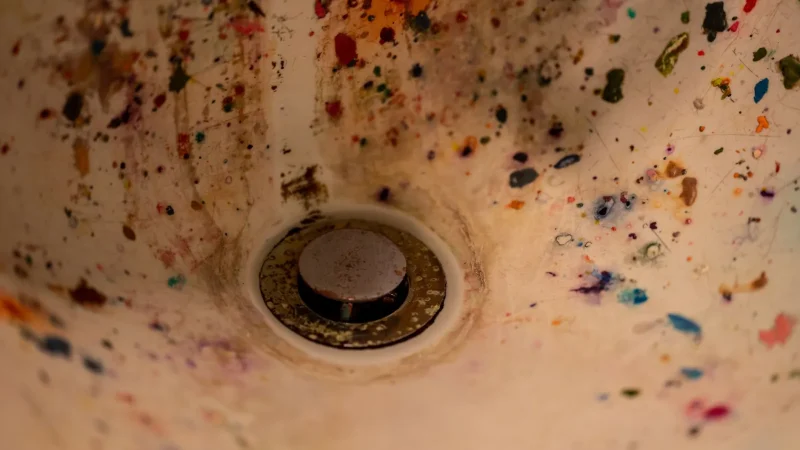
Drain flies do not lay eggs in flowing water. They need a soft, wet, organic film to feed and grow in. Inside your plumbing, that film builds up on the walls of the P-trap, on the underside of drain covers, and along any pipe that carries a slow trickle rather than a good flush.
The larvae eat that gunk. A single guest-bathroom sink that goes unused for weeks can grow a thriving colony, because the trap water sits still and the film never gets scoured away. Floor drains in basements and utility rooms are prime real estate for the same reason.
On a septic property, homeowners often blame the tank, but a properly sealed tank and drain field are not where these flies come from. The insects are living in the last few feet of pipe inside your house. If you are also fighting odor, the two problems overlap, since both trace back to organic buildup and stale traps. Our notes on how to get rid of septic smell in the house cover that side of things in more detail.
First, confirm which drain is the source
Before you treat anything, find the nursery. Guessing wrong means you scrub a clean drain while the real colony keeps hatching. The tape test costs nothing and gives you a clear answer overnight.
- Tear a strip of clear packing tape and lay it sticky side down across each suspect drain, leaving a small gap so air still moves.
- Do this at night, since the adults are most active after dark.
- Check in the morning. Flies emerging from that drain get stuck to the tape.
- The drain with flies on the tape is your target. It is often a shower, a rarely used sink, or a basement floor drain.
How to get rid of septic drain flies step by step
Once you know which drain is breeding them, the plan is simple: strip out the film they live in, then keep that drain from going stale again. Work through these steps in order and give the process a couple of weeks to finish.
- Pull the drain cover or stopper. Lift out any hair, soap scum, or debris sitting in the opening, since that top layer is often packed with larvae.
- Scrub the pipe walls. Push a long, stiff bottle brush or drain brush as far into the pipe as it reaches and work it against the sides. The goal is to physically scrape off the slimy film, which is the one step most people skip.
- Flush with warm water. Run the tap hot for a minute or two to carry the loosened material down. Skip a full pot of boiling water, since it can soften older PVC joints and it does nothing to the film your brush did not already reach.
- Treat with an enzyme or bacterial drain product. These septic-safe gels cling to the pipe walls and digest the leftover organic layer. Pour it in at night, follow the label, and let it sit while no one uses the drain.
- Repeat the enzyme treatment. Do it several nights running. One dose rarely clears every egg, and consistency is what starves the next generation.
- Do not reach for bleach or harsh chemical cleaners. They flash through the trap without scrubbing the film, and on septic they can knock back the bacteria your tank relies on. A brush plus an enzyme product outperforms them here.
- Knock down the adults you see. A damp paper towel or a light vacuum handles the ones resting on the wall. This is cosmetic, though, since new adults keep hatching until the pipe is clean.
- Keep low-use drains wet and moving. Run water down guest sinks and floor drains weekly, or pour a cup of water into unused traps so they never dry out and stall.
Give it about three weeks. Because the adults you swat today were laid before you started, the swarm thins gradually rather than vanishing overnight. If numbers are still climbing after that, you likely missed a second drain, so run the tape test again on every fixture.
What works and what wastes your time
Half the advice floating around online treats the visible flies instead of the film that feeds them. Here is how the common tactics actually stack up on a septic system.
| Method | Does it work? | Notes |
|---|---|---|
| Scrubbing the pipe film with a brush | Yes, the core fix | Removes the larvae habitat directly |
| Enzyme or bacterial drain gel | Yes, as a follow-up | Septic safe, digests remaining film |
| Keeping unused traps flushed | Yes, for prevention | Stops the film from rebuilding |
| Bleach poured down the drain | Weak and risky | Slides past the film, harms tank bacteria |
| Boiling water alone | Mostly no | Can stress old joints, film survives |
| Fly spray on the adults | No lasting effect | New flies keep hatching from the pipe |
When drain flies point to a septic problem
A colony in one seldom-used sink is a housekeeping issue, not a system failure. The picture changes when the flies pour out of a basement floor drain or show up at several drains at once.
That pattern can mean wastewater is draining slowly and leaving a standing film in more of your plumbing than it should. A floor drain that suddenly breeds flies may be tied to a system that is backing up under the slab. If you also notice slow fixtures or gurgling, read through the reasons a toilet gurgles on septic, since the same sluggish flow feeds both symptoms.
Pair the fly problem with any of the classic warning signs and it is worth a real inspection. Our rundown of the early signs a septic system is failing will help you decide whether to keep cleaning drains or call for a professional look at the tank and field.
Mistakes I see homeowners make
- Spraying the adults and calling it done. The eggs in the pipe hatch on their own schedule no matter how many flies you swat.
- Treating the wrong drain. Without the tape test, people scrub the sink they use daily while the real colony sits in a guest bath down the hall.
- Dumping bleach every day. It stresses your tank bacteria and still leaves the film the larvae feed on.
- Quitting after one enzyme treatment. A single dose rarely reaches every egg, so the swarm rebounds in a week.
- Ignoring the floor drain. It is the drain most likely to breed flies and the one homeowners check last.
Ray’s field tip
Keep a cheap long-handled bottle brush and a small bottle of enzyme drain gel under the bathroom sink, right where you will see them. When the tools are already there, a two-minute scrub becomes a monthly habit instead of a crisis project. On my own place, the guest bath was the repeat offender, so now I just run its taps hard for thirty seconds whenever I clean that room, and the flies never get a foothold.

Frequently Asked Questions
Do drain flies come from the septic tank itself?
Rarely. A properly sealed tank keeps them out. The flies you see are almost always breeding in the film inside your household drains, not floating up from the tank. That is why cleaning the pipe, rather than the tank, is what clears them.
Are septic drain flies harmful or do they bite?
They do not bite people and are not known to spread disease indoors. They are mostly a nuisance. Large numbers can be a mild irritant for people with asthma, so it is still worth clearing them out promptly rather than living with the swarm.
Can I use bleach to kill drain flies in a septic drain?
I would not. Bleach rushes through the trap without scrubbing off the film the larvae live in, so it barely dents the population. On septic it also harms the bacteria your tank needs. A stiff brush plus an enzyme cleaner works far better and stays tank-friendly.
How long does it take to get rid of drain flies?
Plan on about three weeks of consistent cleaning. The adults you see now hatched from eggs laid days ago, so the swarm fades gradually as you starve out each new batch. If it is still growing after three weeks, you probably have a second drain breeding them.
Do drain flies mean my septic system is failing?
Not by themselves. A colony in one idle sink is just a cleaning task. But flies pouring from a floor drain or several drains at once, especially alongside slow flow or odor, can hint at a backup worth inspecting. Check the wider warning signs before you decide.
Clean pipes, fewer flies
Drain flies feel like an invasion, but they are really just a sign that a pipe went stale and grew a food source. Find the drain with a tape test, scrub the film out, follow up with a septic-safe enzyme gel, and keep low-use traps flushed so the film never comes back. Give it three weeks of steady effort and the swarm disappears. If the flies keep returning or come with slow drains and odor, that is your cue to look deeper. Browse the rest of our septic problems guide or the full septic problems archive to track down what your system is really telling you.