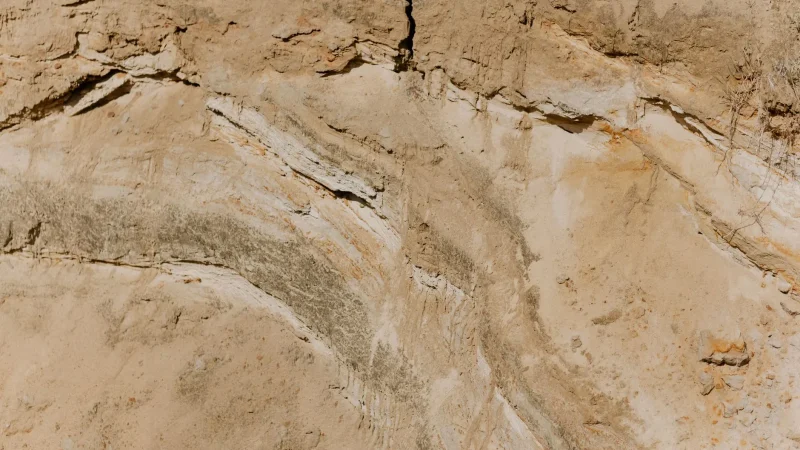

Rain is good for your lawn and hard on the couple of feet of soil under your drain field. That ground does the final cleaning of your septic effluent, and it can only do the job while it stays able to breathe and soak up water. Flood it with roof runoff and hillside drainage every storm, and the soil sits saturated, the bacteria suffocate, and the field starts to back up.
On my own lot, steering surface water away from the field was the cheapest fix I ever made. It cost a weekend and a few downspout extensions. Here is how to do the same on yours.
Key Takeaways
- Your drain field needs unsaturated soil to treat effluent, so any surface water that pools over it is a real threat.
- Roof gutters, downspout extensions, and simple grading fix most rainwater problems for very little money.
- A swale or curtain drain uphill of the field intercepts runoff before it ever reaches the trenches.
- Never aim gutter water, sump pump discharge, or a driveway’s runoff onto or toward the field.
- Diversion is cheap prevention. A drowned field that fails costs thousands to rehabilitate or replace.
Why Rainwater on a Drain Field Causes Trouble
A drain field cleans wastewater by letting effluent trickle into soil that has air in its pores. Oxygen keeps the treatment bacteria alive and lets the ground absorb each new dose. When rainwater keeps that soil soaked, both jobs stall. The field cannot accept water it is already full of, so effluent has nowhere to go.
Constant saturation also thickens the bacterial biomat that treats your effluent. Starved of oxygen, that layer turns dense and slimy and seals the soil even faster. So excess rainwater does not just crowd the field for a day. It can push a healthy field toward early failure.
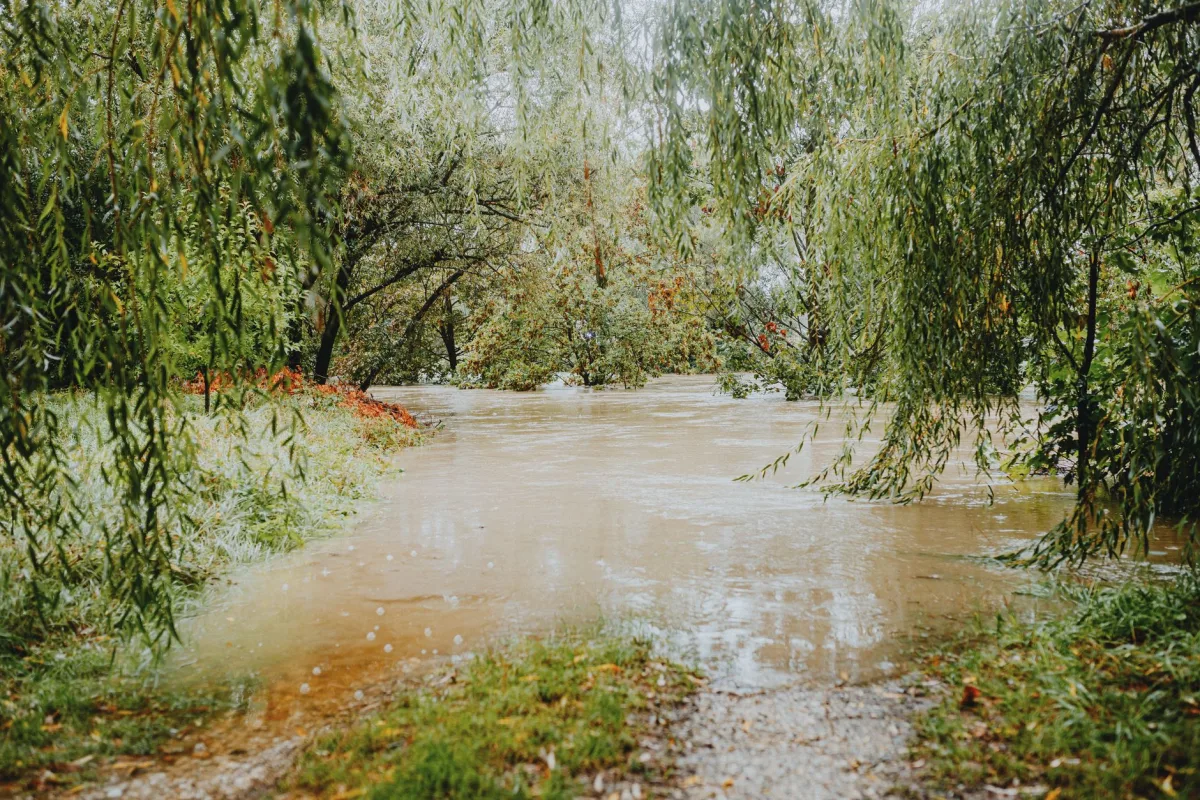
Normal rain that soaks in evenly is not the enemy here. The field is designed to shrug that off. The damage comes from concentrated runoff: hundreds of gallons off a roof, sheet flow down a slope, or a low spot that ponds after every storm. The EPA’s SepticSmart guidance lists keeping surface water off the field among its core rules for a reason.
Signs Surface Water Is Reaching Your Field
Before you plan any drainage work, confirm that water really is the problem. A few clues tend to show up together.
- Standing water or spongy ground over the field that lingers for a day or more after rain stops.
- Backups and slow drains that only act up in wet weather and clear once the yard dries out.
- Erosion channels or silt lines that show where runoff sheets across the field during storms.
- Downspouts dumping close to the trenches, or a driveway and slope that both funnel toward the field.
- A field that sits at the low point of the yard, where everything drains to naturally.
If those match your yard, the fixes below will help. For the wider list of habits and hazards that shorten a field’s life, our guide on what you should never do to a drain field is worth a read alongside this one.
What You Will Need
- Downspout extensions or flexible drain pipe, roughly 10 to 20 feet per downspout.
- A round-point shovel, and a rake for spreading soil.
- Clean topsoil to fill low spots and crown the surface.
- Landscape flags or spray paint to mark water paths.
- Grass seed to cover any bare ground you regrade.
- A rented mini-excavator or trencher for larger swales and curtain drains (optional).
How to Divert Rainwater From Your Drain Field, Step by Step
Work from the cheapest, easiest fixes down to the bigger earthwork. Most yards are solved by the first three steps alone, so do those and see how the field behaves before you rent a machine.
- Watch where the water goes during the next storm. Put on a rain jacket and walk the yard mid-storm. Note where water sheets toward the field, where it ponds, and where each downspout dumps. Mark those spots with flags. Fixing what you can actually see beats guessing at it later.
- Extend your downspouts and keep the gutters clear. Roof runoff is the single biggest source. A 1,000 square foot roof sheds hundreds of gallons in one storm. Add extensions or buried drain lines that carry that water at least 10 to 15 feet past the downhill edge of the field. Clean gutters so they reach the downspouts instead of spilling at the foundation.
- Regrade the surface to slope away from the field. The ground over and around the trenches should fall away from them, not toward them. A gentle slope of 2 to 5 percent sheds sheet flow to the sides. Fill ponding low spots with clean topsoil and crown the area so water runs off. Keep the fill shallow, since deep soil piled over trenches smothers them.
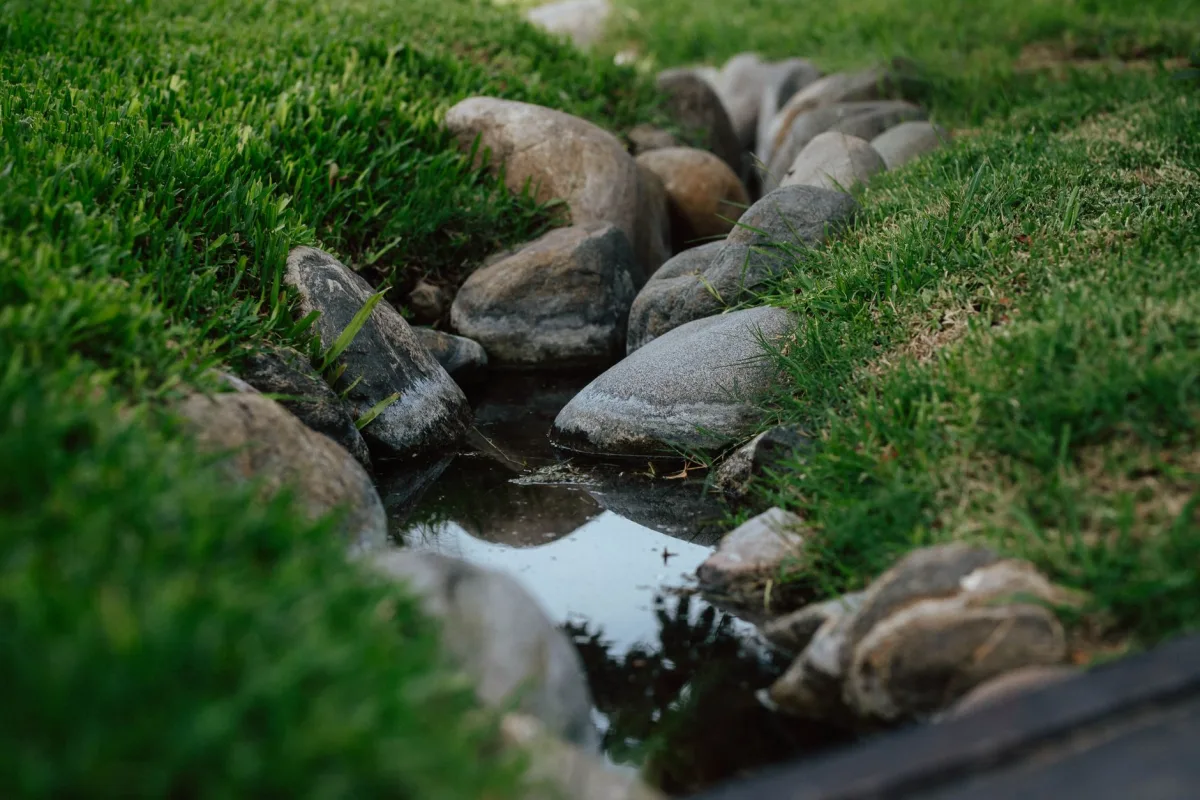
- Cut a swale or low berm on the uphill side. If the field sits below a slope, intercept the runoff before it arrives. A swale is a shallow, grassed channel that catches downhill flow and routes it around the field. A low berm blocks and steers water the same way. Both are cheap earthwork you can shape with a shovel or a rented machine.
- Add a curtain drain for stubborn subsurface water. When water travels through the soil itself and keeps the field wet, a curtain drain intercepts it. It is a gravel-filled trench with perforated pipe, set uphill of the field and sloped to daylight or a dry well. This is the step most likely to need a contractor, since depth and outlet placement matter.
- Redirect sump pumps, driveways, and other point sources. A sump pump piping basement water near the field can undo every other fix. So can a driveway that funnels runoff downhill. Route all of them to a spot well away from and below the field.
- Keep the field covered in grass and nothing heavier. Grass wicks moisture out of the soil and holds the surface in place. Skip gravel, plastic sheeting, patios, or raised beds over the trenches, since those shed water onto the field or trap it underneath. Do not park or drive across it either.
Give the field a few storms to respond between the bigger steps. Often the gutters and grading alone dry it out, and you save yourself the trenching. For the full routine that keeps a field healthy year round, our guide to protecting your drain field pulls these habits together.
Comparing Your Drainage Options
Each method handles a different kind of water. Match the fix to what you saw during that rainy-day walk, and start with the cheapest option that covers your situation.
| Method | What It Handles | Rough Cost | DIY Difficulty |
|---|---|---|---|
| Downspout extensions | Roof runoff | $10-40 each | Easy |
| Regrading and crowning | Sheet flow and ponding | $200-1,500 | Moderate |
| Swale or berm | Hillside runoff above the field | $300-2,000 | Moderate |
| Curtain drain | Water moving through the soil | $1,000-5,000 | Hard, often a pro |
| Redirecting sump or driveway | Point-source discharge | $50-500 | Easy to moderate |
Costs climb fast once you rent equipment or bring in a contractor, but even the top of this range beats a failed field. A drowned drain field that needs rehabilitation or replacement routinely runs $10,000 or more, so a weekend of grading is money very well spent.
Ray’s field tip
Do your storm walk with your phone and shoot a short video as you go. Water moves fast and memory fades, but footage of runoff pouring off a corner of the roof or pooling at a low spot tells you exactly where to dig later. I keep a clip from each heavy storm and compare them after I make a change, so I can see whether the fix actually moved the water.
Frequently Asked Questions
Does rain hurt a septic drain field?
Ordinary rain that soaks in evenly does not hurt a healthy field, since the soil is built to handle it. The damage comes from concentrated surface water: roof runoff, driveway flow, and hillside drainage that keep the soil saturated. When the ground stays soaked, it cannot absorb effluent and the field can back up or fail early.
Can I run gutters and downspouts near my drain field?
Gutters are good, but never aim the discharge onto or toward the field. Extend each downspout so it carries roof water at least 10 to 15 feet past the downhill edge of the trenches. Burying a solid drain line to a lower spot in the yard works even better than a surface extension.
Should the ground over a drain field slope away from it?
Yes. A gentle slope of a few percent away from the trenches sheds rain and stops water from ponding on top of the field. Fill low spots with shallow clean topsoil and crown the area so water runs off to the sides. Avoid burying the trenches under deep fill, which chokes off the air the soil needs.
What is a curtain drain and do I need one?
A curtain drain is a gravel-filled trench with perforated pipe installed uphill of the field to catch water moving through the soil and carry it away. You need one when subsurface flow keeps the field wet even after you have fixed the gutters, grading, and any obvious surface runoff. Because depth and the outlet point matter, it is usually a job for a contractor.
Can a sump pump drain near my septic field?
No. Route sump pump discharge well away from and below the field. Dumping basement water beside the trenches floods the exact soil that needs to stay dry enough to absorb effluent, which can undo every other drainage fix you make. Send it to a lower corner of the yard or a proper dry well instead.
Keep the Water Moving Past Your Field
A drain field asks for one simple favor: give it soil that can breathe. Most of the work is just making sure rain flows past the trenches instead of into them, and the tools are the plainest ones you own, a shovel, a downspout extension, and a rainy afternoon of watching where the water goes. Start with gutters and grading, watch how the field responds, and only reach for a trench when the ground stays stubbornly wet. For more ways to keep the most expensive part of your system healthy, walk through our complete drain field care guide or browse the rest of the drain field care articles.