
The scariest thing about a septic system is how patient it is. It will absorb months, even years, of neglect without a peep, then hand you a flooded drain field and a five-figure bill all at once. Almost none of that comes from a single bad decision. It comes from small, repeated habits that quietly erode the system until something gives. I’ve run my own tank for over a decade and traced most of the horror stories I hear back to the same handful of slip-ups. In this guide you’ll learn the eight septic maintenance mistakes that turn a cheap fix into an expensive one, why each one does damage, and the simple correction for each.
Key Takeaways
- The costliest mistake is skipping pumping: a $300–$600 pump-out prevents a drain field replacement that can top $20,000.
- Ignoring early warning signs like slow drains or soggy ground turns a small repair into a full failure.
- Parking, paving, or planting over the drain field crushes the one part you can’t easily replace.
- Pouring additives or harsh chemicals in the tank wastes money and can harm the bacteria doing the work.
- No maintenance records means you’re guessing at pumping timing and losing money at resale.
These eight mistakes are ordered roughly by how much they cost you when they catch up. Every one is easy to avoid once you know what it’s actually doing underground. Let’s walk through them.
1. Skipping or Stretching Out Pumping
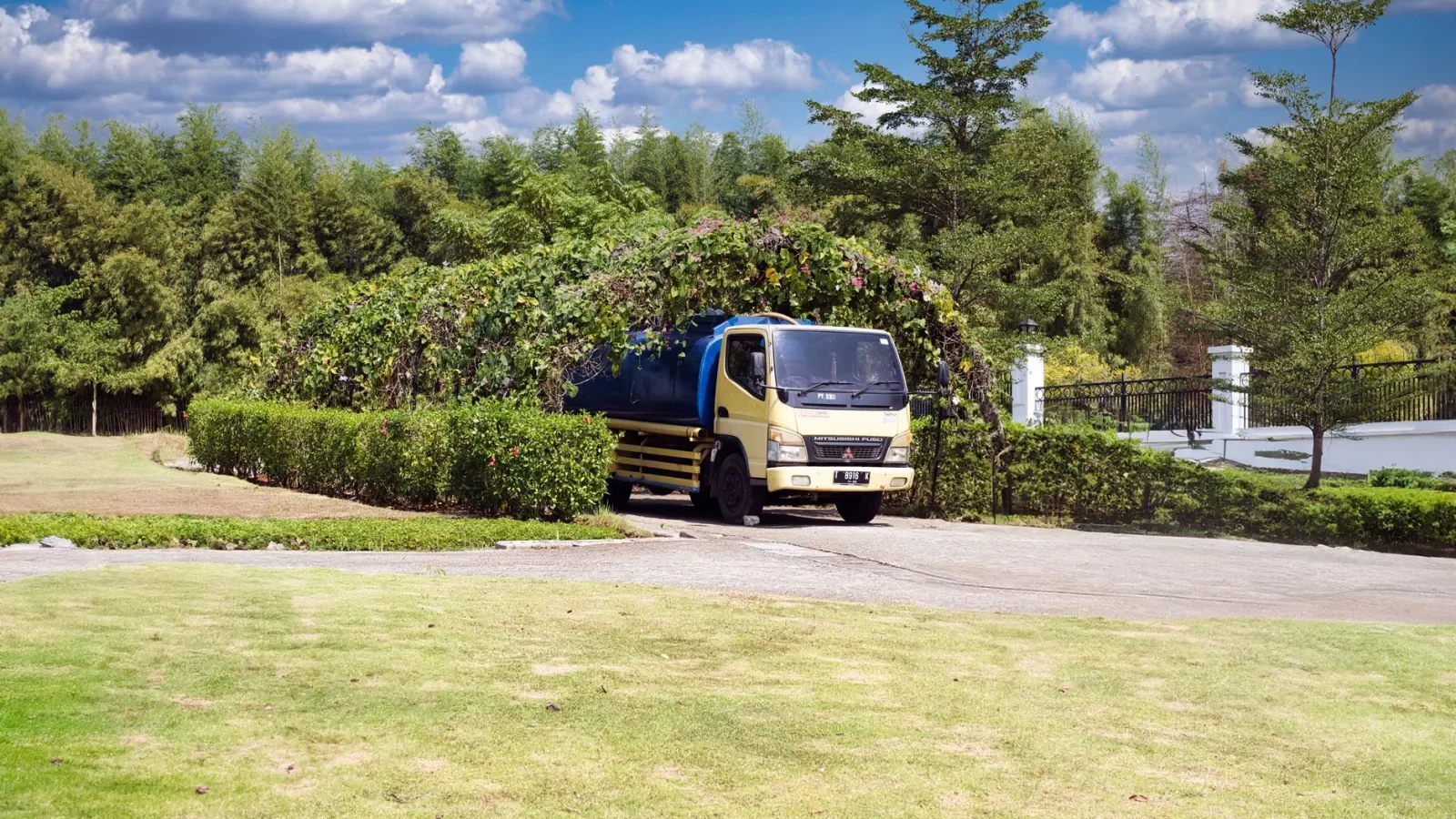
This is the big one, the mistake that causes more expensive failures than all the others combined. Solids build in your tank whether you think about them or not. When you skip pumping, the sludge layer keeps climbing until it reaches the outlet and starts washing into the drain field, where it clogs the soil that finishes treating your wastewater.
Here’s the math that should end the debate. The U.S. EPA’s SepticSmart program recommends inspecting and pumping a typical household tank every three to five years. A routine pump-out runs about $300 to $600. A drain field ruined by neglected solids can cost several thousand dollars to $20,000 or more to replace. Stretching your pumping interval to “save” a few hundred dollars is the most expensive form of savings I know.
The fix
Set a recurring calendar reminder the day your tank is pumped, and pump on schedule even when nothing seems wrong. A tank that “seems fine” is exactly the one that’s quietly filling. When in doubt, ask your pumper to measure sludge depth and tell you your real interval.
2. Ignoring Early Warning Signs
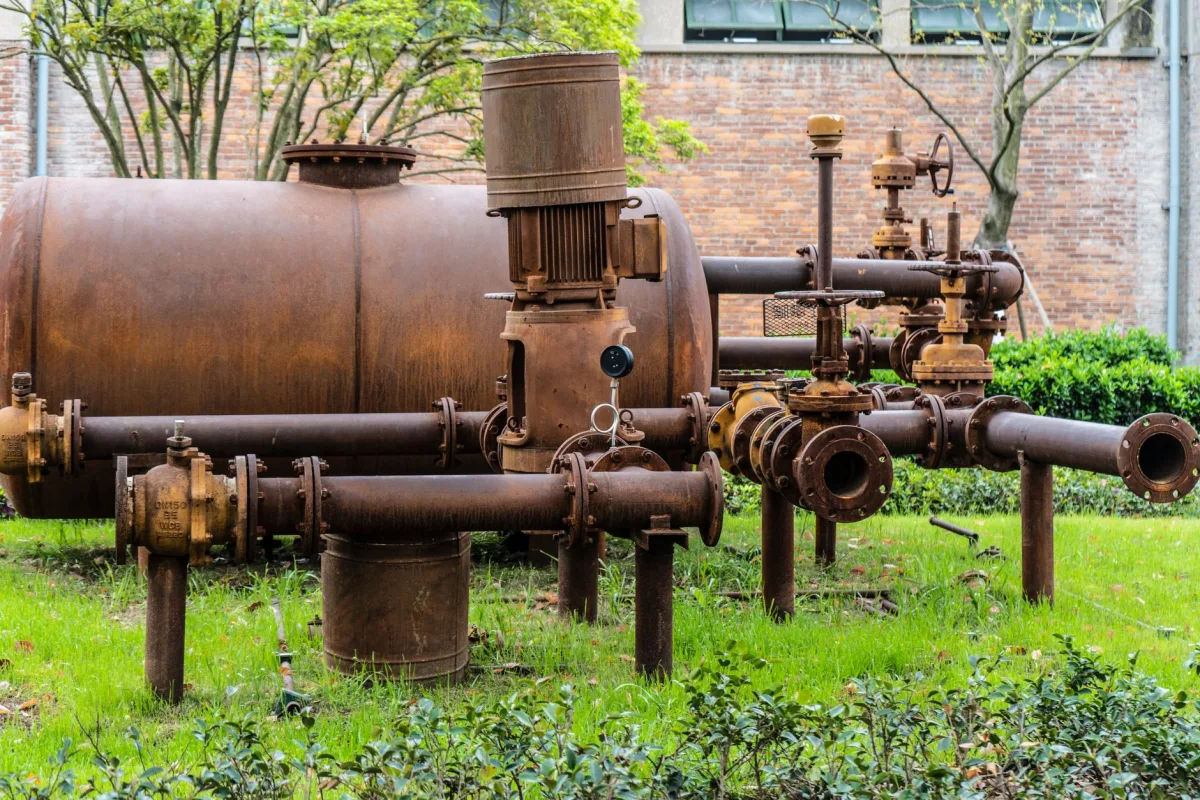
Septic problems almost always announce themselves quietly before they announce themselves loudly. A toilet that gurgles, a sink that drains a little slower each week, a faint sewage smell near the tank, a patch of grass that’s suddenly greener, these are the cheap-to-fix stage. Waiting until sewage backs up into the bathtub is the expensive stage.
On my own system, the first sign of trouble is almost always a single slow drain that I’m tempted to ignore. The owners who get hit hardest are the ones who explain away those symptoms for months. Every warning sign you dismiss is time the underlying problem spends getting worse and more costly.
Learn the signals and act on them early. Here are the ones worth stopping for:
- Slow drains or gurgling in more than one fixture
- Sewage odor indoors near drains or outdoors over the tank or field
- Soggy ground or standing water above the drain field
- Grass over the field that’s noticeably greener and taller
- A septic alarm light or buzzer (on pump or aerobic systems)
A simple monthly walk of your yard catches most of these. Our guide on how to inspect a septic system yourself walks through exactly what to look for between professional visits.
3. Abusing the Drain Field
Your drain field is the most expensive part of the system and the hardest to replace, yet it’s the part homeowners abuse most. Parking a car or truck on it compacts the soil so it can no longer absorb water. Paving it over seals it. Building a shed on it, or letting deep-rooted trees grow nearby, damages the pipes and starves the soil of the air it needs.
The rule is simple: the area over your drain field should be a low-traffic, grass-covered zone and nothing else. Keep vehicles, structures, livestock, above-ground pools, and heavy equipment off it permanently. Route roof downspouts and surface runoff away from it so it isn’t fighting extra water it was never designed to handle.
4. Overloading the System With Water
A septic tank needs quiet time. Wastewater has to sit long enough for solids to settle and grease to float before the liquid moves on to the drain field. When you dump a huge surge all at once, laundry, showers, and the dishwasher all running on a Saturday morning, you push liquid through too fast and stir solids toward the outlet.
Hidden leaks make this worse without you noticing. A single running toilet can waste hundreds of gallons a day, all of it flowing straight into a tank that never gets a rest. Over months that constant load can saturate a drain field and shorten its life by years.
The fix costs nothing. Spread laundry across the week instead of cramming it into one day, fix running toilets and dripping faucets promptly, and consider low-flow fixtures. Building these into your routine is one of the highest-value moves in our list of the best habits to keep your septic system healthy.
5. Flushing Things That Don’t Belong
Only three things belong in a septic toilet: pee, poop, and toilet paper. Everything else either refuses to break down or actively harms the bacteria doing the work. “Flushable” wipes are the worst offender, they don’t dissolve like paper and are a leading cause of clogs and premature pumping. Grease poured down the sink congeals and coats the drain field.
Every non-degradable item you flush is one more thing that has to be pumped out early, or one more clog waiting to form. Keep a small trash can beside every toilet and the habit becomes automatic. These items should never go down a septic drain:
- Wipes of any kind, even ones labeled “flushable”
- Feminine hygiene products, cotton balls, and swabs
- Paper towels, facial tissue, and dental floss
- Grease, fats, and cooking oil
- Coffee grounds, eggshells, and heavy food scraps
- Paint, solvents, and unused medication
6. Relying on Additives Instead of Maintenance
Walk down any hardware store aisle and you’ll find bottles promising to “restore” your tank or let you skip pumping. It’s a tempting shortcut, and it’s a mistake. A properly used septic tank grows all the bacteria it needs from the waste you already flush. No monthly additive replaces the physical removal of solids that pumping provides.
Worse, some products contain harsh chemicals or degreasers that can push solids into the drain field or kill off the very bacteria you’re trying to help. The money spent on a year of additives is often close to the cost of a real pump-out that would actually protect your system. Spend it on maintenance, not marketing.
Watch out
Never pour chemical drain openers, solvents, or “septic rejuvenator” degreasers into a septic system. They can kill the bacterial balance and wash grease into the drain field. If a product promises you can stop pumping, treat that as a red flag, not a feature.
7. Attempting Repairs That Need a Pro
There’s a healthy line between smart DIY and dangerous DIY on a septic system. Watching your water use, keeping records, and doing a visual walk of the yard are all fine. Opening a tank, entering it, or digging into it is not. Septic tanks produce toxic gases that can kill within minutes, and a partially collapsed lid can drop a person straight into the tank.
Trying to unclog, pump, or dig out a failing system yourself often turns a repairable problem into a rebuild, and it can be fatal. Some jobs are simply worth paying for. Use this quick split to know which side of the line you’re on:
| Safe to DIY | Call a professional |
|---|---|
| Visual yard and drain field walk | Any work inside or entering the tank |
| Spreading out water use | Pumping the tank |
| Fixing running toilets and leaks | Diagnosing a backup or failing field |
| Keeping maintenance records | Repairing baffles, D-box, or pipes |
| Keeping the field clear | Anything involving toxic-gas exposure |
| When in doubt, treat the tank and its buried components as a professional-only zone. | |
8. Keeping No Maintenance Records
The least glamorous mistake on this list quietly costs you for years. Without records, you’re guessing when the tank was last pumped, whether that odd smell last spring was ever addressed, or how full the tank ran at the last service. Guessing leads to either over-pumping (wasted money) or under-pumping (a wrecked drain field).
Records also pay off at resale. A buyer and their inspector trust a documented system far more than a black box, and a clean maintenance history can protect your price. A notebook, a phone note, or a folder of invoices is all it takes. If a mistake on this list ever bites you, good records also help a pro diagnose it faster.
How These Mistakes Add Up
Here’s a real, worked example of how neglect compounds. Say a homeowner skips pumping for eight years to save on service calls. In year six, solids start washing into the drain field. They notice slow drains but ignore them. By year eight the field is saturated and failing. The “savings” from three skipped pump-outs total roughly $1,200 to $1,800, but the drain field replacement runs $12,000. Every mistake fed the next one.
Now flip it. The same homeowner pumps on schedule, acts on the first slow drain, and keeps the field clear. Total cost over eight years: a few hundred dollars every few years and a little attention. That’s the whole lesson of this list, cheap habits protect expensive components. For the full routine that ties all of this together, see our complete septic system maintenance guide.
Frequently Asked Questions
Quick answers to the questions homeowners ask about avoiding costly septic mistakes.
What is the most common septic maintenance mistake?
Skipping or stretching out tank pumping is by far the most common and most expensive mistake. Solids build up until they wash into the drain field and clog it. A routine pump-out costs a few hundred dollars, while a ruined drain field can cost tens of thousands, so pumping on schedule is the single best habit.
Can neglecting my septic system really cost that much?
Yes. A neglected system usually fails at the drain field, the priciest component to replace. Replacement commonly runs several thousand dollars up to $20,000 or more, plus permits and yard damage. That’s why the small, cheap habits, pumping, watching water use, and keeping the field clear, pay for themselves many times over.
Are septic additives a mistake to use?
For most households, yes. A working tank grows the bacteria it needs on its own, and no additive replaces pumping. Some products even contain chemicals that harm the tank or push solids into the field. Skip them and put that money toward timely pumping and inspection, which actually protect your system.
What should I never park or build on with a septic system?
Never park vehicles, pave, or build structures over the drain field or tank. The weight compacts the soil and crushes pipes, destroying the field’s ability to absorb water. Keep that area as low-traffic grass, route runoff away from it, and avoid planting deep-rooted trees nearby to protect your most expensive component.
How do I fix a septic mistake before it gets expensive?
Act on the first warning sign rather than waiting. Schedule a professional inspection when you notice slow drains, odors, or soggy ground, and pump if you’re overdue. Catching trouble at the early-symptom stage almost always keeps it in the cheap-repair range instead of the full-replacement range.
The Bottom Line
Almost every costly septic disaster starts as a cheap, avoidable habit: a skipped pump-out, an ignored gurgle, a car parked over the field. None of these mistakes is hard to fix once you understand what it’s doing underground. Pump on schedule, respect the early warning signs, keep the drain field clear, feed the tank only what belongs there, and write it all down. Pick the one or two mistakes on this list you recognize in your own routine and correct them this month. When you’re ready to build a complete plan, explore our full septic maintenance library for the schedules and checklists that keep the whole system healthy for decades.