When I bought my place, the previous owner handed me a folder with a note scrawled on top: “drain field is 22 years old, budget for a new one.” That sentence cost me a lot of sleep. A replacement field can run several thousand dollars to well over $20,000, and mine was already past the age where most fields start to fade. Instead of accepting that fate, I spent the next few years changing how our household treated the ground out back.
Six years later, that same field is still quietly doing its job. Here is exactly what I changed, what it cost, and what I would do differently.
Key Takeaways
- The two biggest wins were cutting daily water use and never, ever driving or parking over the field.
- I added a $60 effluent filter and started pumping every 3 years instead of “whenever”, cheap insurance for a five-figure asset.
- Overloading with water is what drowns most fields; spreading laundry across the week made a measurable difference.
- Roots and compaction do slow, invisible damage, I moved two shrubs and re-routed a gutter downspout.
- None of this required a contractor. It was habits, a few small parts, and paying attention.
Where My Field Started (The Honest Baseline)
Before I changed anything, I wanted to know what I was actually dealing with. Our system is a conventional setup: a 1,000-gallon concrete tank feeding a gravel-and-pipe drain field roughly 45 feet long, serving a three-bedroom house. Two adults, two kids, one very demanding washing machine.
The field wasn’t failing yet, but it was showing its age. After heavy laundry days the grass over the pipes looked greener and a little spongy. There was a faint odor near the far end after long rains. Those aren’t red-alarm symptoms, but if you want to understand what genuine trouble looks like, it’s worth knowing the signs of drain field failure to watch for so you can act before surfacing effluent forces your hand.
My first move was information. I had the tank pumped and asked the technician to look at the outlet and the sludge depth. His verdict: the tank was fine, but I was pushing too much water and the field was working harder than it should. That framed everything I did next.
Tip: Get a baseline before you spend a dime
Have your tank pumped and ask the technician two questions: how full were the solids, and does the outlet baffle or filter look clogged. That 20-minute conversation tells you whether your field is being abused by the tank upstream, the cheapest fix of all.
Change #1: I Cut Our Water Load (The Single Biggest Win)
A drain field doesn’t fail from age alone, it fails from being drowned. Every gallon that goes down a drain eventually has to soak into the soil around those pipes. When you send too much at once, the soil never gets a chance to breathe and dry out, and the biomat that treats effluent turns into a slimy, clogging layer.
Here’s what I actually changed, ranked by impact:
- Spread out laundry. We used to do five loads on Saturday. Now it’s one load a day, most days. This one habit alone flattened the biggest daily spike into our field.
- Fixed a running toilet. A silent flapper leak was dumping an estimated 100+ gallons a day into the tank. A $9 flapper stopped it.
- Swapped the two worst fixtures. A low-flow showerhead and a 1.28-gallon toilet in the busiest bathroom cut a real chunk of daily flow.
- Shorter showers, honestly. Not glamorous, but four people trimming two minutes each adds up.
I tracked our water bill before and after, and our household use dropped by roughly a third over four months. That’s a third less liquid the drain field has to absorb every single day. If you want the full playbook I followed, I laid it out in detail in how to protect your drain field step by step.
Change #2: I Stopped Treating the Field Like a Yard
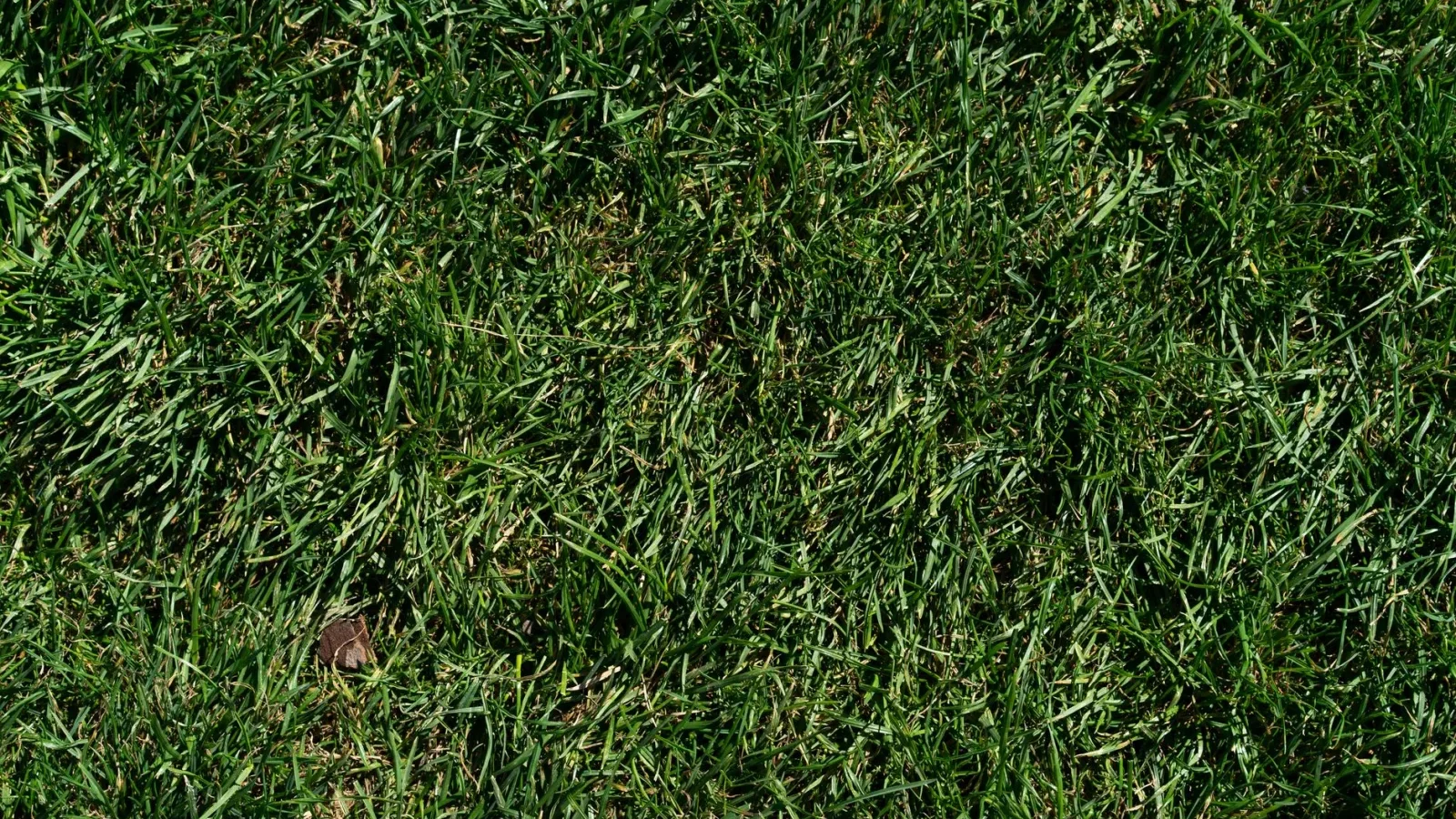
The area over a drain field looks like ordinary lawn, so it gets treated like ordinary lawn, parked on, driven over, planted with whatever’s on sale. That’s how good fields die young. Compacted soil can’t accept water, and roots pry apart pipes and clog perforations.
What I removed
I had two hydrangeas and a young maple planted within about ten feet of the pipes. I moved all three. The maple especially, its roots are aggressive and would have found the pipes within a few years. I also stopped my teenager from turning around on the field with the riding mower’s heavy trailer.
There’s a longer list of habits I had to unlearn, and I wish I’d read the 10 things you should never do to a drain field when I first moved in. A few of them I was guilty of without realizing it.
What I added
Over the pipes I now keep only shallow-rooted grass. I re-routed a gutter downspout that had been dumping roof runoff right onto the field during storms, that extra rainwater was competing with the effluent for space in the soil. Small change, real relief for the field during wet spells.
Change #3: Cheap Parts and a Real Pumping Schedule
The field is expensive; the parts that protect it are not. Two small investments have paid for themselves many times over in peace of mind.
First, I had an effluent filter installed on the tank outlet, about $60 for the part and a bit of labor. It catches solids that would otherwise drift out and clog the field’s pores. I rinse it once a year when I pull the lid. Second, I set a firm pumping schedule instead of waiting for symptoms.
| What I did | Rough cost | Why it protects the field |
|---|---|---|
| Effluent filter on outlet | ~$60 + labor | Keeps solids from reaching and clogging the field |
| Pumping every 3 years | ~$350-500 each | Stops sludge from carrying over into the field |
| Fixed running toilet | ~$9 | Removed 100+ gal/day of needless load |
| Re-routed downspout | ~$25 in parts | Kept storm runoff out of the soil over pipes |
| Moved trees/shrubs | A weekend | Prevented root intrusion into pipes |
Add it up: over six years I’ve spent maybe $1,200 total, most of it on routine pumping I’d have needed anyway. Against a replacement field that a neighbor recently paid $18,000 for, the math isn’t close.
The Simple Routine I Follow Now
If you want to copy what worked, here’s the ordered routine I settled into. None of it is hard once it’s a habit.
- Do laundry one load a day, not all at once, spread the biggest water spike across the week.
- Walk the field monthly. Look for soft ground, greener grass, or odor, especially after rain.
- Keep everything heavy off it, no cars, trailers, or above-ground pools over the pipes.
- Rinse the effluent filter once a year and check the tank outlet at the same time.
- Pump on a calendar, not on a crisis, every 3 years for my household size and tank.
- Keep a written log of every pump-out and inspection so I can see trends over time.
For the bigger picture of how the field fits into the whole system and how to read its warning signs, the complete guide to your septic drain field is where I’d point any new owner first. You can also browse everything in our drainfield care archive for topic-by-topic help.
Note: extending life is not the same as reviving a dead field
Everything here helps a working field last longer. If your field is already surfacing sewage or backing up into the house, that’s a different situation that needs a professional assessment, not a downspout tweak. Know the difference before you assume habits alone will fix it.
Frequently Asked Questions
Can you really extend the life of a drain field?
Yes, within limits. You can’t add years to a field that’s already failing, but you can add many years to a healthy or aging one by reducing water load, keeping weight and roots off it, pumping the tank on schedule, and using an effluent filter. These habits directly slow the clogging that ends most fields early.
What is the single most important thing to do?
Reduce and spread out your water use. A drain field fails when the surrounding soil stays saturated and can’t dry between doses. Spreading laundry across the week, fixing leaks, and installing low-flow fixtures gives the soil time to recover. In my own experience this mattered more than anything else I changed.
Does driving or parking over a drain field actually hurt it?
Yes. Vehicles, trailers, and even a full above-ground pool compact the soil, which prevents it from absorbing effluent, and can crush shallow pipes. Keep everything heavier than a lawn mower off the field. Compaction damage is slow and invisible until the field can no longer accept water.
How often should I pump if I want my field to last?
The EPA recommends pumping most household tanks every three to five years, depending on tank size and how many people live in the home. If protecting the field is your goal, err toward the shorter end. Pumping keeps solids from carrying over into the field, which is a leading cause of premature clogging.
Are drain field additives worth buying to extend its life?
Generally no. There’s little evidence that additives extend field life, and some can even harm it by pushing solids into the pipes. Your money is far better spent on water reduction, a good effluent filter, and regular pumping. Save the additive budget for routine service instead.
Conclusion
I won’t pretend I’ve made my field immortal. It’s older now than it was when the previous owner wrote that gloomy note, and one day it will need replacing. But six years of paying attention has already saved me from an $18,000 emergency, and it’s bought time to plan and budget on my own terms. If your field is aging but still working, start with water and weight, they cost the least and matter the most. When you’re ready to go deeper, the complete drain field guide and the step-by-step protection walkthrough are good next reads. For the science of why keeping soil healthy matters, the EPA’s SepticSmart program is a solid, non-commercial starting point.