
You’re doing dishes when a loud buzzer goes off in the utility room and a red light starts blinking on a little gray box you’d honestly forgotten was there. Heart racing, you’re picturing sewage in the basement and a five-figure bill. Take a breath. On my own system, that alarm has tripped more than once, and every single time it was something I could understand in a few minutes and fix or schedule without a crisis. In this guide you’ll learn the five most common reasons a septic alarm goes off, how to tell which is urgent, and the exact first steps to take when it sounds.
Key Takeaways
- A septic alarm almost always means the water level in the pump tank is too high, not that the tank is exploding.
- Your first move is to stop using water and press the silence button, then look at the panel light.
- The five usual causes are a tripped breaker, a failed pump, a stuck float, a bad check valve, or a sudden flood of water.
- Cutting water use buys you roughly a day of buffer in most pump tanks before it overflows.
- If the pump won’t run after a breaker reset, call a septic pro the same day.
What the Alarm Is Actually Telling You
Not every septic system has an alarm. You’ll find one on systems with a pump: mound systems, aerobic treatment units, and any setup where the drain field or next tank sits uphill from the tank, so effluent has to be pushed instead of flowing by gravity. That pump lives in a second chamber called the pump tank or dose tank.
Inside that tank is a float switch, basically a fishing bobber wired to a sensor. When the water climbs higher than it should, the float rises and closes the alarm circuit. The buzzer and light are simply saying, “the water in here is higher than normal.” That’s it. The alarm is a warning, not the emergency itself, and that distinction is what keeps you calm enough to think.
Silence it, don’t ignore it
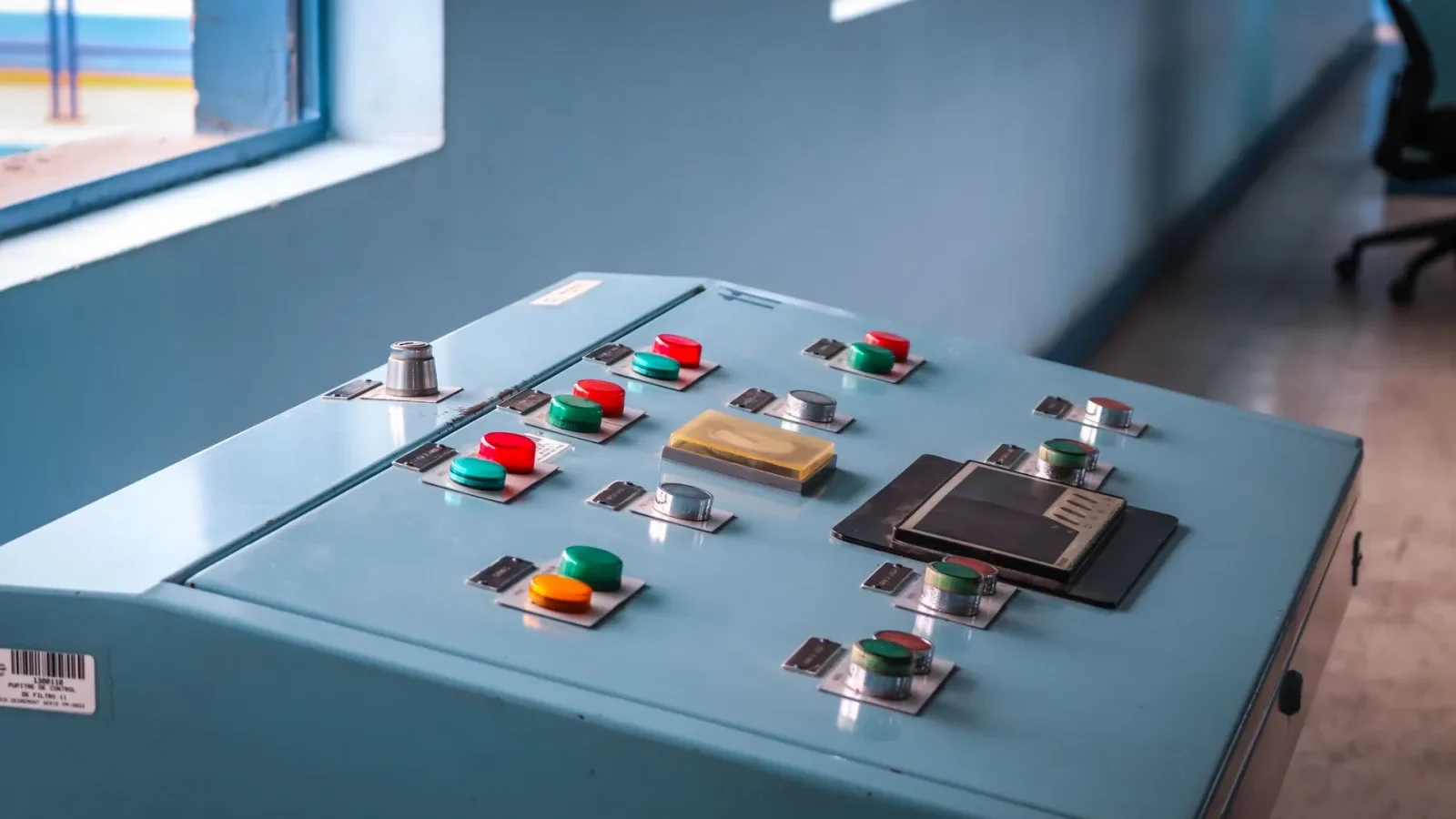
Most panels have a “silence” or “test/normal” push button that stops the buzzer while leaving the red light on. Silencing the noise is fine and expected. Just don’t flip the panel breaker off to kill the light, because that also kills the pump and the alarm’s ability to warn you again.

The 5 Reasons Your Septic Alarm Is Going Off
1. A tripped breaker or lost power to the pump
This is the most common cause I run into, and the easiest to fix. The pump and the alarm are usually on separate circuits so the alarm can still warn you when the pump loses power. If a breaker trips, the pump stops moving water out, the level rises, and the float sets off the alarm.
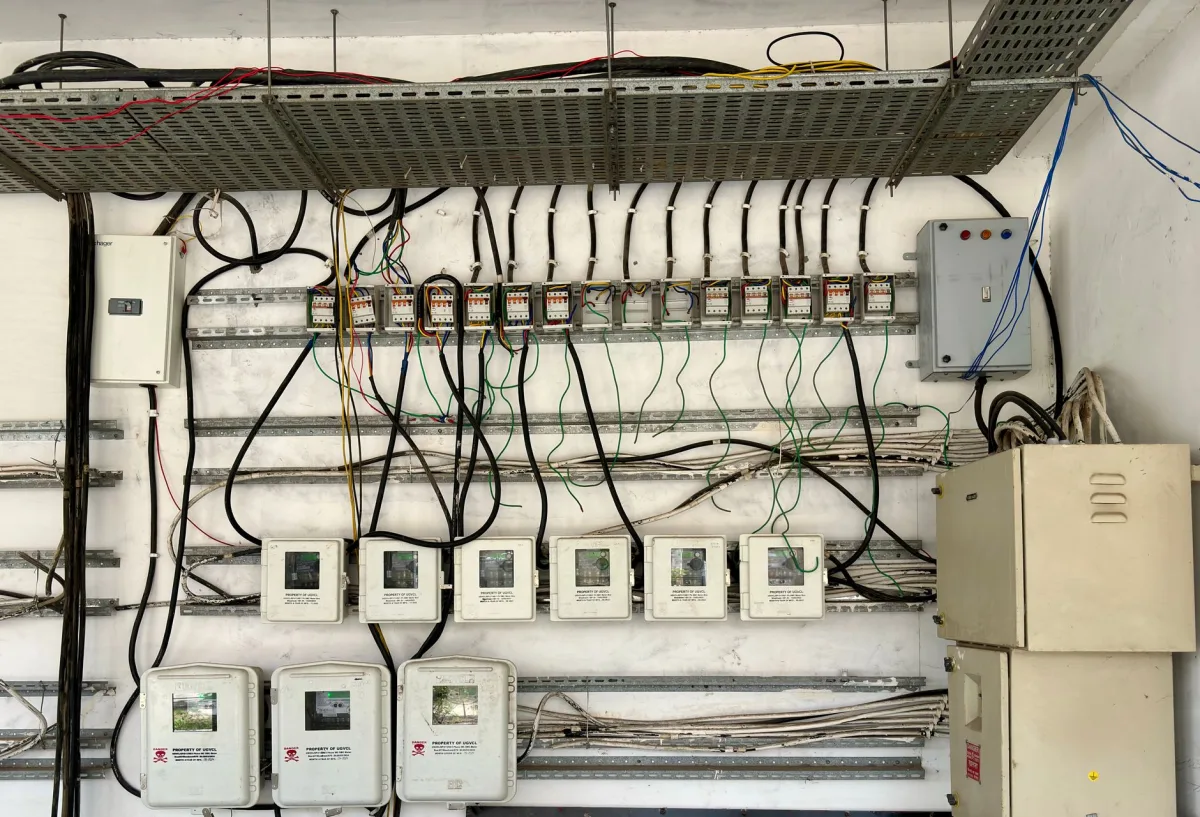
Check the breaker panel for a tripped septic or pump breaker and any dedicated disconnect switch near the tank. Reset it once. If it holds and the pump kicks on, you’re likely done. If it trips again immediately, stop resetting it, that’s a sign of an electrical fault or a seized pump, and it’s a pro’s job.
2. A failed or worn-out effluent pump
Pumps don’t last forever. A typical effluent pump runs 7 to 10 years, sometimes less on a heavily used system. When the motor burns out or the impeller wears down, the pump can’t clear the tank and the level keeps climbing until the alarm trips.
If the breaker is fine but you never hear the pump hum or feel water moving, the pump itself is the suspect. This isn’t a DIY repair for most owners because it involves lifting a heavy, waterlogged pump out of a tank full of effluent and matching a replacement to your system’s specs. Budget roughly $400 to $1,200 installed, depending on the pump and your region.
3. A stuck or tangled float switch
The floats are cheap plastic parts on cords, and over the years they can get tangled together, snagged on the pump, or gummed up with grease and solids so they don’t ride up and down freely. A stuck float can trigger a false alarm even when the water level is normal, or worse, fail to turn the pump on when the level really does rise.
You usually can’t diagnose this without opening the tank, which I don’t recommend doing alone because of the drowning and gas hazards. A technician can free or replace a float in one visit for far less than a new pump, so it’s worth ruling out before assuming the worst.
4. A bad check valve letting water flow back
The check valve is a one-way gate in the pump’s discharge line. It keeps effluent from draining back into the pump tank after each cycle. When it fails, water the pump just sent uphill flows right back down, so the pump runs and runs but the level never really drops. Eventually it can’t keep up and the alarm sounds.
The tell here is a pump you can hear cycling on and off far more often than usual, sometimes every few minutes. It’s a small, inexpensive part, but replacing it means accessing the plumbing, so it’s typically bundled into a service call.
5. Too much water, too fast (hydraulic overload)
Sometimes nothing is broken. You just sent more water into the system than the pump could move out in time. Back-to-back loads of laundry, a long party with lots of flushing, a running toilet, or a dripping fixture can all flood the pump tank faster than it empties.
The fix is simple: stop the flow. Hold off on laundry, dishwashing, and long showers, and check for a toilet that won’t stop running. Once the pump catches up, the level drops below the float and the alarm clears on its own. If it clears within a few hours of easing up on water, overload was your culprit. For the bigger picture on water habits, our septic problems library covers the load-related failures that repeat every holiday season.
| Cause | Typical clue | Urgency |
|---|---|---|
| Tripped breaker | Pump silent, breaker off | Reset once, then call if it re-trips |
| Failed pump | Breaker on but no pump sound | Same-day pro call |
| Stuck float | Alarm with normal water use | Schedule a service visit |
| Bad check valve | Pump cycles far too often | Schedule within a few days |
| Water overload | Follows heavy water use | Cut water; usually self-clears |
What to Do the Moment the Alarm Sounds
Panic wastes the buffer you have. In most pump tanks there’s a reserve capacity built in above the alarm float, often close to a day’s worth of normal household water before anything overflows. Use that time wisely by working through these steps in order.
- Stop using water. No laundry, dishwasher, or long showers. This is the single most important thing you can do to protect the system.
- Silence the buzzer. Press the silence or test button so you can think. Leave the red light and the breaker alone.
- Look at the panel. Note whether the light is steady or flashing and whether it’s labeled “high water” or “pump fault.” Snap a photo for the technician.
- Check the breaker. Find the pump breaker or disconnect. If it’s tripped, reset it once and listen for the pump.
- Hunt for a water hog. Check every toilet for a running flapper and every faucet for a drip. A silent running toilet can dump hundreds of gallons a day.
- Wait and watch. If the pump runs and the alarm clears within a few hours, you likely had an overload or a one-time breaker trip.
- Call a pro if it won’t clear. If the alarm stays on after a reset and reduced water use, or the breaker trips again, schedule a septic service call the same day.
The pattern matters more than any single step. An alarm that clears once you cut water is usually harmless. An alarm that stubbornly stays lit while the tank keeps filling is telling you the pump can’t do its job, and that’s the point where waiting turns cheap into expensive.
When It’s Urgent Versus When It Can Wait
Here’s the honest line I use. If the alarm clears after you reduce water use, or a single breaker reset brings the pump back to life, you can relax and keep an eye on it. Log the date and mention it at your next inspection.
Treat it as urgent if the breaker trips repeatedly, the pump makes no sound at all, water is backing up into the lowest drains, or you smell sewage or see wet ground near the tank. Those signs mean the tank is at or near overflow. If you’re unsure whether it’s a system-wide problem or a single clogged fixture, our guide on telling a septic backup apart from a clogged drain gives you a two-minute test. And when it has crossed into a true emergency, follow the ordered response in our septic emergency checklist.
According to the EPA’s SepticSmart program, an alarm is one of the clearest early warnings a homeowner gets, so responding promptly is exactly what keeps a warning from becoming a backup.
Frequently Asked Questions
How long do I have before my septic tank overflows after the alarm?
Most pump tanks include reserve capacity above the alarm float, often around a day of normal household water use. That buffer shrinks fast if you keep doing laundry or showering. Cut your water use the moment the alarm sounds and you’ll usually have enough time to reset the breaker or reach a technician.
Can I turn off my septic alarm to make it stop?
Yes, press the silence or test button to stop the buzzer. That’s normal and safe. Do not flip the alarm’s breaker off to kill the red light, though, because that disables the pump’s warning system entirely. Leave the light on until the underlying cause is fixed and the level drops back to normal.
Why is my septic alarm going off after heavy rain?
Groundwater or surface runoff can seep into a tank through cracks or a loose lid, raising the level and tripping the float even though your household use is normal. Frequent rain-related alarms point to a leak that lets outside water in. Have a pro inspect the tank, lid, and risers for gaps once the weather clears.
How much does it cost to fix a septic alarm problem?
It depends on the cause. A tripped breaker or water overload costs nothing. A stuck float or bad check valve is a modest service call, often a few hundred dollars. A failed effluent pump is the big one, typically $400 to $1,200 installed. Diagnosing early keeps you in the cheaper range.
Should I open the septic tank myself to check the alarm?
No. Septic tanks contain toxic gases and pose a serious drowning and collapse risk, and lids are heavy and awkward. You can safely check the breaker, look at the panel, and reduce water use from outside the tank. Leave anything that requires removing a lid or reaching into effluent to a trained septic professional.
Conclusion
A blinking red light and a buzzer feel alarming, but the alarm is doing exactly its job: giving you a head start. Nine times out of ten it’s a breaker, an overload, or a worn part, and knowing which one turns a scary moment into a manageable to-do. Stop the water, read the panel, check the breaker, and act on what you find. When you want the full map of every septic warning sign and its fix, our complete septic troubleshooting guide is a calm place to start.