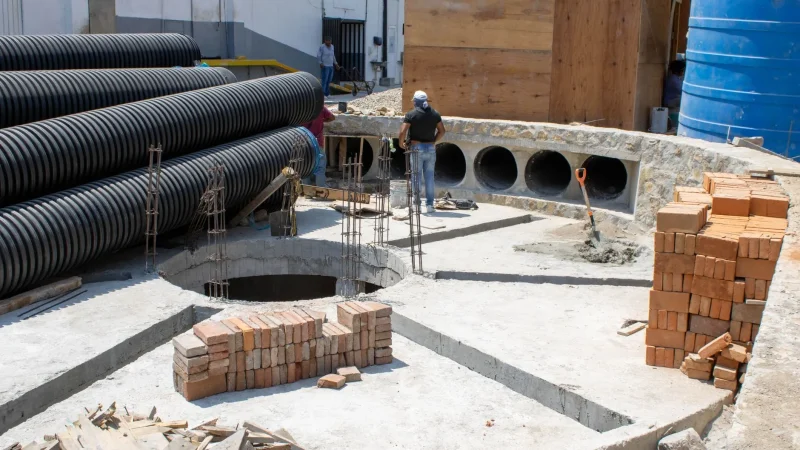

You call the office next door for advice, mention your septic setup, and a friend two states away insists their inspector said the exact opposite. You are both right. Septic rules in the US are not set by one national rulebook, and that surprises almost every new owner. After moving between two states with a septic system myself, I learned the hard way that a permit approved in one county can be flatly illegal a few hours’ drive away.
In this guide you’ll learn why septic regulations vary so much, who actually writes the rules, the specific things that change from state to state, and exactly where to look up the requirements that apply to your own property.
Key Takeaways
- There is no single federal septic code. The EPA sets broad goals, but your state, county, and sometimes your town write the actual rules you must follow.
- Setback distances from wells and property lines can differ by 50 feet or more between neighboring states.
- Inspection triggers vary widely. Some states require an inspection every 1 to 3 years; others only at the time of a home sale.
- Your local county health department is almost always the office that issues permits and enforces the code.
- Always confirm rules before you buy, build, repair, or sell. Assuming your old state’s rules apply is a common and costly mistake.
Why Septic Rules Vary So Much Across the US
The simplest reason is that the ground is different everywhere. A drain field that works fine in sandy Florida soil would fail in dense Vermont clay. Rules have to match local soil, groundwater depth, rainfall, and how close homes sit to lakes, rivers, and wells. A one-size rulebook written in Washington, D.C. could never account for all of that.
So the federal government stays high-level. The US EPA SepticSmart program offers guidance, education, and voluntary management goals, but it does not inspect your tank or issue your permit. The Clean Water Act gives the EPA authority over larger discharges, not the typical single-family system in your backyard.
Instead, authority flows down. The state sets minimum standards, then hands enforcement to counties and health districts. Those local offices can make rules stricter than the state’s, but rarely weaker. That layered setup is why two homes 20 miles apart can face different requirements.
The three layers of authority
- Federal (EPA): Sets broad water-quality goals and education programs. No direct permitting for home systems.
- State: Writes the baseline code, such as minimum tank sizes, setback distances, and installer licensing.
- County or local health department: Issues permits, inspects installs, and can add tougher local rules for sensitive areas.

What Actually Changes From State to State
Once you understand the layers, the differences start to make sense. Here are the areas where I see the biggest state-to-state gaps, and the ones most likely to trip up a homeowner who assumes the rules travel with them.
Setback distances
A setback is the minimum distance your tank or drain field must sit from something else, like a well, a property line, a house foundation, or a body of water. These numbers are where states differ the most. One state may require a drain field to sit 50 feet from a private well, while a neighbor requires 100 feet. If you are adding a bedroom or replacing a field, the setback in force can decide whether your plan even fits on the lot.
Inspection and pumping requirements
Some states mandate regular inspections on a fixed schedule. Others leave it entirely to the homeowner and only require proof of a working system when you sell the house. A few counties with sensitive watersheds require you to register your system and report pumping. The EPA generally recommends pumping every 3 to 5 years regardless of local law, but whether that is a suggestion or a rule depends on where you live.
Permits, installer licensing, and system types
Nearly every state requires a permit before you install or majorly repair a system, and most require a licensed or registered installer to do the work. What counts as an approved system also varies. States with poor soil or high water tables may require advanced treatment units where a simpler state would allow a conventional tank and field. What passed inspection at your last home may not be allowed at your new one.
| Rule area | Typical low-regulation approach | Typical high-regulation approach |
|---|---|---|
| Well setback | 50 feet from drain field | 100+ feet from drain field |
| Inspection | Only at point of sale | Required every 1 to 3 years |
| System registration | Not required | Mandatory, with pumping reports |
| Installer | Homeowner may install with permit | Licensed installer required |
| Advanced treatment | Conventional system usually allowed | Required near lakes or in poor soil |
Watch out when you move
The single most common mistake I see is assuming your last state’s rules carry over. When I relocated, the maintenance habits and pumping schedule I trusted were fine, but my new county required my system to be registered and inspected on a set schedule. Check the local rules within your first month, not after your first violation notice.
How to Find the Rules for Your Own Property
Here is the good news: finding your local rules is usually free and faster than people expect. You do not need a lawyer, and you rarely need to read the full state code. Follow these steps in order and you’ll have your answer, often in a single phone call.
- Start with your county health department. Search “[your county] health department septic” online. This office is almost always the one that permits and inspects home systems, and staff will tell you the current rules over the phone.
- Ask for the local septic or onsite wastewater code. Many counties post a PDF summary. Ask specifically about setbacks, inspection frequency, and whether registration is required.
- Pull your property’s septic permit. The county usually keeps the original permit and site drawing on file. It shows your system’s approved size, layout, and any conditions attached to your lot.
- Check the state environmental or health agency. For the baseline code, look up your state’s department of health or environmental quality. This helps if the county rule is unclear.
- Confirm before any big change. Before a home sale, an addition, a repair, or a replacement, call and confirm current requirements. Rules get updated, and the version from five years ago may be out of date.

If you’re a new owner still getting your footing, it helps to understand the system itself before you dig into local code. Our guide on how septic systems work walks through every part from toilet to drain field, and knowing how to find your septic tank and drain field makes it far easier to answer an inspector’s questions about setbacks and layout.
Keep a rules folder
Save your permit, site drawing, and a note of your county’s inspection and pumping rules in one folder, digital or paper. When you sell, refinance, or hit a problem, having those documents ready can save you weeks of scrambling and can raise a buyer’s confidence in your system.
Common State-to-State Situations Homeowners Face
Selling a home with a septic system
Point-of-sale inspection rules are one of the biggest surprises. Several states and many counties require a septic inspection, and sometimes proof of a recent pumping, before a home can change hands. In states without that rule, buyers and lenders often still request one. Either way, a documented, well-maintained system is easier to sell.
Building an addition or a new home
Adding bedrooms can trigger a required system upgrade, because many codes size the septic system by the number of bedrooms, not bathrooms. Before you finalize renovation plans, confirm whether your current system meets the code for the new bedroom count. It is far cheaper to learn this before construction than after.
Repairing or replacing a failing system
Even a repair usually needs a permit, and a replacement almost always does. If the old system predates current rules, you may be required to bring it up to today’s code, which can change the cost and layout significantly. Avoiding common early errors, covered in our list of septic system basics new owners get wrong, helps you sidestep the missteps that force premature repairs in the first place. You can also browse the full septic basics library for more foundational guides.
Frequently Asked Questions
Is there a federal septic system code in the US?
No. There is no single national code for home septic systems. The EPA sets broad water-quality goals and offers guidance through its SepticSmart program, but the actual permitting, inspection, and enforcement rules are written by your state and, most often, your county health department.
Who enforces septic regulations in my area?
In most of the US, your local county or district health department enforces septic rules. That office issues install and repair permits, inspects new systems, and can add requirements stricter than the state baseline. Start there for any question about your property’s septic rules.
Do septic inspection rules change when I move to a new state?
Yes, and often significantly. Some states require inspections on a fixed schedule, while others only require one at the time of a home sale. Never assume your old state’s schedule applies. Confirm the inspection and pumping rules with your new county within your first month of ownership.
Why are septic setback distances different between states?
Setbacks protect wells, homes, and water bodies from contamination, and the safe distance depends on local soil, groundwater, and terrain. Sandy or high-water-table areas often need larger buffers. Because those conditions vary, one state may require a 50-foot well setback while another requires 100 feet or more.
Can I install my own septic system to save money?
It depends entirely on your state and county. A few areas allow homeowner installation with a permit and inspection, but most require a licensed or registered installer. Even where DIY is allowed, the design usually must be engineer- or health-department-approved. Always confirm locally before planning any install.
Conclusion
The patchwork of septic rules across the US can feel intimidating, but the takeaway is simple: your local county health department is the authority that matters most, and a single phone call usually clears up the questions that keep you up at night. Whether you’re buying, building, repairing, or just moved across a state line, check the local rules first and keep your documents handy. For more on the fundamentals behind these regulations, explore our other septic system basics guides whenever you want to dig deeper at your own pace.