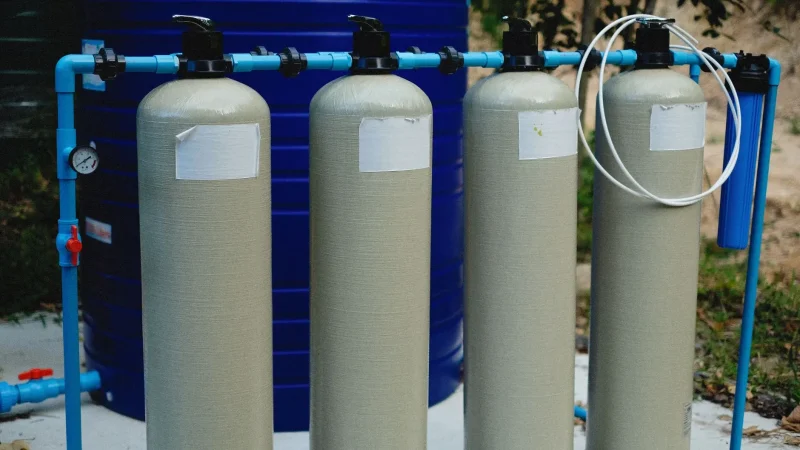
You are standing in your yard, staring at a permit that says your home has an “ATU,” while the neighbor’s system is just a couple of buried concrete boxes and a drain field. Same job, wildly different machinery, and nobody explained why yours has an electrical box and a warning light. That difference comes down to one thing: whether your tank treats waste with oxygen or without it.
I have owned homes on both kinds, so I have paid the power bills and the pumping bills for each. Here you will learn how aerobic and anaerobic systems actually work, what they cost to run, and which one a homeowner tends to end up with, and why.
Key Takeaways
- Anaerobic systems (the classic tank + drain field) treat waste without oxygen, use no electricity, and are the most common setup in the US.
- Aerobic systems (an ATU) pump air into the tank so oxygen-loving bacteria work faster and cleaner, but they need power and more upkeep.
- Expect an aerobic unit to cost roughly 2 to 3 times more to install and to require a service contract, often 2 to 4 visits a year.
- You usually do not get to freely pick: your soil, lot size, and local health code decide which system you are allowed to install.
- Both still need pumping every 3 to 5 years, though intervals vary by tank size and household.
The one difference that changes everything: oxygen
Every septic system relies on bacteria to break down the solids and organic matter in your wastewater. The whole aerobic-versus-anaerobic question is really just about which kind of bacteria you put to work, and that is decided by one factor: oxygen.
Anaerobic bacteria thrive in the sealed, oxygen-free world inside a buried tank. They are slow, steady workers. Aerobic bacteria need dissolved oxygen to live, so an aerobic system uses a small air pump to constantly bubble air through the wastewater. Give bacteria oxygen and they multiply and digest waste much faster, producing cleaner effluent.
If you want the full map of how these pieces fit together from toilet to drain field, our guide on how septic systems work walks through the whole path. This article zooms in on just the treatment method.
How an anaerobic system works
This is the setup most people picture when they hear “septic tank.” Wastewater flows into a buried, watertight tank, usually 1,000 to 1,500 gallons. Inside, gravity does the sorting: heavy solids sink into a sludge layer, grease and oils float as scum, and the relatively clear liquid in the middle flows out to the drain field.
The anaerobic bacteria slowly digest the sludge, but they never break everything down, which is why the tank still needs pumping. There are no moving parts and no power. It is simple, durable, and cheap to run.
How an aerobic system (ATU) works
An aerobic treatment unit, or ATU, adds an active step. After a first chamber where solids settle, wastewater moves into an aeration chamber where an electric air pump injects oxygen. That oxygen supercharges the bacteria, so the effluent leaving the system is far cleaner, often clean enough to be sprayed over a lawn or sent to a smaller drain field.
Because it has a pump, a control panel, and usually an alarm, an ATU is closer to a small appliance than a passive tank. It works harder and produces a better result, but it also has more parts that can fail. For a full component-by-component breakdown of tanks, baffles, and filters, see our guide to key septic system components and what they do.
Side-by-side: aerobic vs anaerobic septic system
Seeing the two approaches lined up makes the trade-offs obvious. Anaerobic wins on simplicity and cost; aerobic wins on treatment quality and where it can be installed. Here is how they stack up on the factors that actually hit a homeowner’s wallet and weekend.
| Factor | Anaerobic (conventional) | Aerobic (ATU) |
|---|---|---|
| Oxygen used? | No, sealed tank | Yes, air pump adds oxygen |
| Electricity | None | Runs continuously |
| Typical install cost | Lower (baseline) | Roughly 2 to 3 times higher |
| Effluent quality | Moderate | Much cleaner |
| Maintenance | Pump every 3 to 5 years | Pumping plus 2 to 4 service visits a year |
| Moving parts | None | Pump, sometimes alarm and controls |
| Best for | Good soil, room for drain field | Poor soil, small lots, high water tables |
A worked example from my own two homes
At my first place, a conventional anaerobic system on sandy soil, my only real recurring cost was a pump-out every four years that ran about $400. No power draw, no alarm, no service contract. In roughly a decade, I spent a few hundred dollars on it, plus the water habits any owner should keep.
My second home sat on heavy clay near a creek, so the county required an aerobic unit. Between the mandatory service contract (about $300 a year) and the air pump running around the clock, my yearly cost was several hundred dollars before any repair. When the air pump finally died, replacing it was another few hundred. Same waste, very different math, because the soil left me no choice.
Tip: your electric bill is a clue
Not sure which system you have? An ATU air pump runs 24/7 and adds a small but steady load to your power bill, and there is usually a control box or a warning light near the tank. A conventional anaerobic system has no electrical connection at all. No power box near the tank almost always means anaerobic.
Which one will you actually have?
Here is the part that surprises new owners: you rarely get to choose freely. The decision is usually made for you by the ground under your feet and the rules of your county health department.
Anaerobic systems dump moderately treated effluent into the soil, and they rely on that soil to finish the cleaning as water percolates down. That only works if you have enough good soil and space. When you do not, an aerobic unit is often the only legal option because its cleaner output can safely go into less-forgiving ground.
You will likely need aerobic if:
- Your soil is heavy clay or drains poorly (a failed or marginal perc test).
- Your lot is small, leaving no room for a full-size conventional drain field.
- You have a high water table or seasonal flooding near the drain field.
- You live close to a lake, stream, well, or other sensitive water source.
- Your local code requires advanced treatment for your parcel.
Anaerobic is usually fine if:
- Your soil percolates well (sandy or loamy) and passed a perc test.
- You have room for a conventional drain field set back from water sources.
- Your county code allows a standard gravity system for your lot.
Aerobic units are just one branch of a bigger family. To see where mound, chamber, and other designs fit, our roundup of the 6 common types of septic systems explained puts them in context.

How to tell which system you have (step by step)
If your paperwork is vague, you can usually figure it out in an afternoon without digging up the yard. Work through these steps in order.
- Pull your septic permit or “as-built” drawing from the county health department. The words “ATU,” “aerobic,” or “advanced treatment” mean aerobic; “conventional” or “gravity” means anaerobic.
- Walk the yard and look for an electrical box, conduit, or a small control panel near the tank area. That points to an aerobic unit.
- Listen and look for an air pump. ATUs often have a low humming compressor in a housing near the tank or on the house wall.
- Check for a warning light or alarm panel, common on aerobic systems and rare on conventional ones.
- Look at your power bill for a small, constant draw, or ask the previous owner or your septic pumper, who will know at a glance.
- If you are still unsure, have a licensed septic professional confirm during your next inspection or pump-out.
Whichever type you confirm, keep the paperwork with your home records. Knowing your system type shapes everything from your pumping schedule to what you are allowed to plant over the drain field.
Warning: never ignore an aerobic alarm
If you have an ATU and its alarm sounds or its light turns on, do not simply mute it and forget it. It usually signals a failed air pump or a high water level, and an aerobic system without working aeration quickly turns into a poorly treated one. Call your service provider promptly.
Frequently Asked Questions
Is an aerobic septic system better than an anaerobic one?
Better depends on your situation. An aerobic system produces cleaner effluent and works where soil is poor, but it costs more to install and run and needs regular service. If you have good soil and space, a simpler anaerobic system does the job well for far less money and hassle.
Do aerobic septic systems need electricity?
Yes. An aerobic treatment unit runs an air pump continuously to feed oxygen to the bacteria, so it draws power around the clock. A standard anaerobic system uses no electricity at all. During a long outage, an aerobic unit’s treatment quality can drop, which is why many have backup alarms.
How much more does an aerobic system cost?
Installation typically runs roughly two to three times the cost of a conventional anaerobic system, and prices vary widely by region and site. You should also budget for a yearly service contract, often a few hundred dollars, plus higher electricity use and occasional pump or part replacement over the system’s life.
Can I switch from an aerobic system to a conventional one?
Usually not by choice. If your county required an aerobic unit, it was because your soil or lot could not safely handle a conventional drain field. Local health codes rarely allow a downgrade unless site conditions change. Always check with your local health department before altering any septic system.
Does an aerobic system still need pumping?
Yes. Even though aerobic bacteria digest waste more efficiently, solids still accumulate and must be pumped out, generally every three to five years depending on tank size and household use. Skipping pumping on any system, aerobic or anaerobic, risks clogging the drain field and expensive repairs.
Conclusion
The whole aerobic-versus-anaerobic debate comes down to oxygen, and to the ground under your yard. Anaerobic systems are simple, cheap, and everywhere; aerobic systems cost more and demand attention but make cleaner water possible on tough sites. Most owners inherit whichever the soil allowed, so the smartest move is to confirm what you have and care for it well. To keep building your septic knowledge, browse more explainers in our septic system basics collection.
For the authoritative overview of how these systems protect your health and groundwater, the US EPA SepticSmart program is a reliable, non-commercial place to start.