
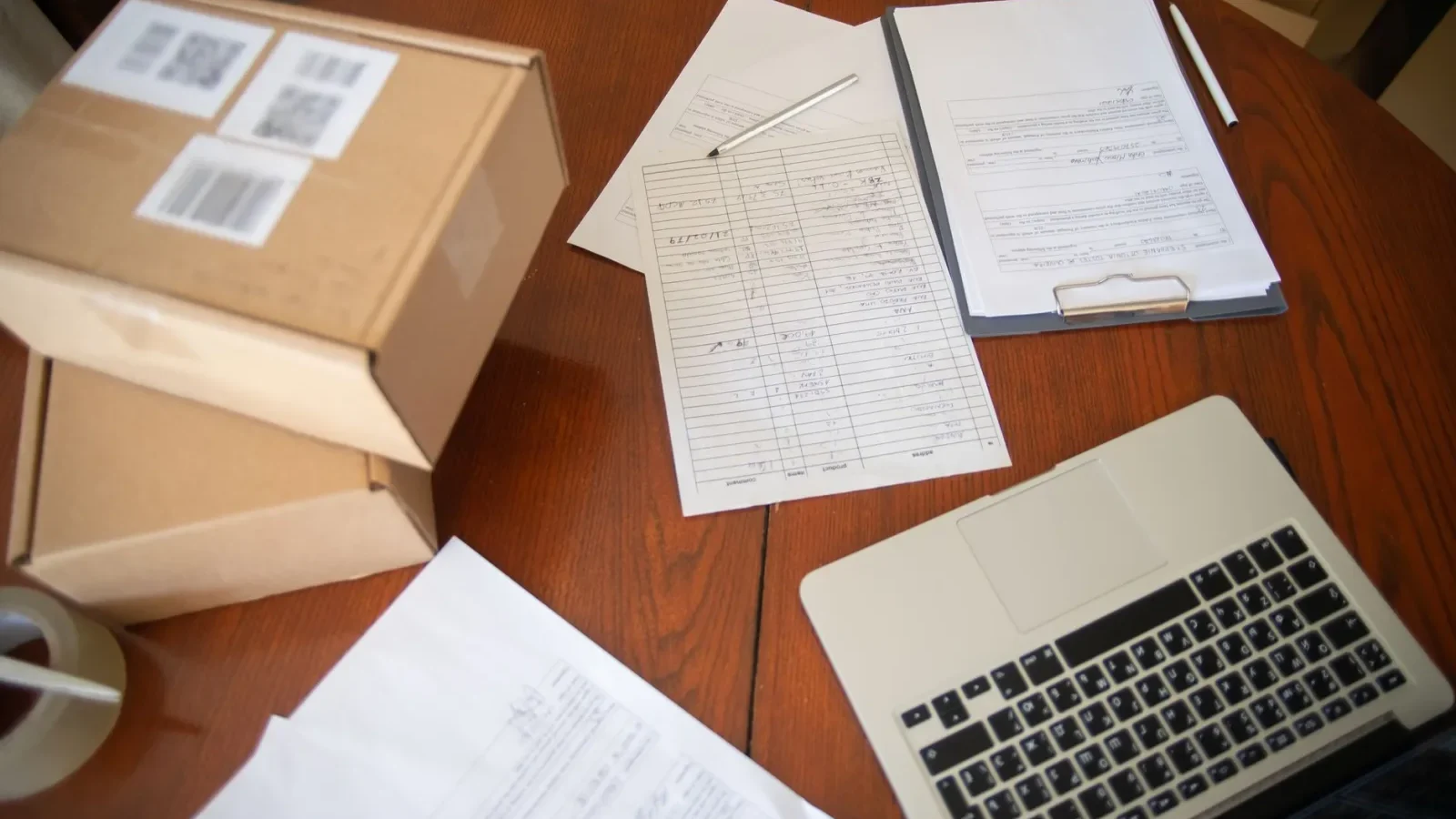
I have sat at plenty of kitchen tables while a homeowner slid a septic estimate across to me and asked, quietly, whether the number looked fair. Most of the time it was. But often enough the quote was padded with work nobody needed, priced with a scare story attached, or written so vaguely that the final bill could balloon. Once you know the tells, an honest estimate is easy to spot.
Most septic contractors are honest, and the good ones outnumber the bad by a wide margin. Still, a repair is one of the larger bills a homeowner faces, so these are the red flags I tell neighbors to watch for before they sign anything.
Key takeaways
- A fair septic quote is itemized, in writing, and tied to something the contractor actually inspected, not a lump sum with a scary story attached.
- The most common septic overcharging signs are same-day pressure, a push to replace before anyone looked in the tank, and upsells for additives you do not need.
- Always get two or three written quotes for the same defined scope so you have a real range to compare against.
- Verify the license, insurance, and permit before work starts, and never pay the full amount in cash up front.
- Knowing the fair ballpark for common jobs is the single best way to avoid septic scams.
How a septic quote gets padded in the first place
Padding rarely looks like an outright lie. It usually hides in the gray area between what your system needs and what a contractor can talk you into. The person writing the estimate knows far more about septic systems than you do, and a few of them use that gap.
Once you have seen enough estimates, the padding falls into a handful of patterns. Here is where the extra money usually creeps in.
- Work that was never diagnosed, only assumed, such as replacing a whole drain field because the tank was full.
- Bundled extras like enzyme treatments, tank “shock” additives, or bacteria packets that a healthy tank does not need.
- Vague line items that leave room to add change orders once the digging starts.
- A crisis framing that pushes you to sign before you can get a second opinion.
The EPA’s septic resources stress that most systems fail from neglect or overload, not from some sudden emergency you have to fix within the hour. Keep that in mind every time an estimate comes wrapped in urgency.
Red flag 1: A single lump sum with no itemized breakdown
The first thing I look for is line items. A trustworthy quote breaks the job into parts: pumping, parts, labor, permit, disposal fees, and backfill. When all of that collapses into one big number with no detail, you have no way to see what you are paying for or to compare it against anyone else.
A lump sum also makes it easy to slip in work you do not need, because you cannot see it broken out.
What to do instead: Ask for a written, itemized estimate. Any contractor who refuses to break the number down is telling you something. Learning to compare septic quotes line by line is the fastest way to catch padding.
Red flag 2: A push to replace before anyone inspected
A full septic replacement can run from $7,000 to $25,000 or more, so it is the single most profitable thing a contractor can sell you. That is exactly why a jump straight to replacement, before anyone pumped the tank or ran a simple inspection, is such a loud warning.
Plenty of the “failing systems” I get called to look at just have a full tank, a clogged effluent filter, or a collapsed baffle. Those are hundreds of dollars to fix, not tens of thousands.
What to do instead: Insist on a diagnosis before a price. That means pumping the tank, checking the filter and baffles, and looking at the drain field. No honest pro quotes a replacement for a system they have not opened.
Red flag 3: Same-day pressure and scare tactics
“This price is only good today.” “Your field could go any minute.” “I can squeeze you in right now if you sign.” Urgency is the oldest trick in any trade, and it works because a septic backup is genuinely stressful.
Real emergencies do exist, like raw sewage backing into a house. Even then, the right move is to stop water use and pump the tank, which buys you days or weeks to plan the real repair calmly.
What to do instead: Treat a hard deadline as a reason to slow down, not speed up. A fair quote is still fair next week. Pressure to sign on the spot is one of the clearest septic overcharging signs there is.
Red flag 4: No license, insurance, or permit in the conversation
Most states require septic work to be done by a licensed installer, and most repairs beyond routine pumping need a permit from the county health department. A contractor who waves off permits as “not worth the hassle” is planning to cut a corner you will own later.
Unpermitted work can fail inspection when you sell the home, and it can void the coverage you were counting on. It is worth understanding how home insurance handles septic damage before you let anyone skip the paperwork.
What to do instead: Ask for the license number, proof of liability insurance, and confirmation that the permit is pulled. Verify the license with your state or county. A real contractor hands this over without flinching.
Red flag 5: Cash only and no written contract
Cash-only demands, a request for the full amount up front, or a job with nothing on paper all point the same direction. Without a written contract, you have no record of the scope, the price, or the warranty, and no recourse when the work is not what was promised.
A deposit is normal for large jobs. Paying 100 percent before the first shovel goes in the ground is not.
What to do instead: Get everything in writing, including scope, total price, payment schedule, and any warranty. Pay a reasonable deposit, then the balance on completion. Use a check or card so there is a paper trail.
Red flag 6: Additives and treatments baked into the price
Watch for line items promising to “shock” the tank, add bacteria, or dose it with a monthly enzyme plan. A healthy septic tank grows all the bacteria it needs from normal household waste. I have opened plenty of regularly dosed tanks that were still packed with sludge.
Some additives even stir up settled solids so they drift toward the drain field, which is the last place you want them.
What to do instead: Cross additive plans off the estimate. The University of Minnesota’s onsite sewage treatment program is one of many .edu resources that finds no proven benefit from routine additives. Spend that money on pumping instead.
Red flag 7: A lowball number that invites change orders
Padding does not always mean a high price. Sometimes the trick is a suspiciously low bid designed to win the job, followed by a stack of change orders once the crew is on site and the hole is open. “We found more root damage than expected” becomes an extra few thousand you cannot easily refuse mid-dig.
What to do instead: Be as suspicious of the lowest bid as the highest. Ask what happens if the crew finds more work, and get the answer in writing. A quote far below every other bid is not a bargain, it is a setup for a bigger final bill.
What a fair septic quote actually looks like
The best defense against a padded estimate is knowing the rough going rate for common jobs. Prices vary by region, access, and soil, so treat these as a sanity check rather than a promise. If a quote lands far above the range with no clear reason, ask why.
| Common job | Typical fair range | Be skeptical if |
|---|---|---|
| Routine tank pumping | $300-$600 | Over $800 with easy access |
| Effluent filter cleaning | $0-$150 (often part of pumping) | Billed as a separate $300 visit |
| Baffle or tee replacement | $300-$900 | Rolled into a “full rebuild” |
| Riser and secure lid install | $300-$1,000 | Quoted above $1,500 per lid |
| Drain field repair | $2,000-$6,000 | Priced before any inspection |
| Full system replacement | $7,000-$25,000 | Recommended before pumping |
Skipping this homework is one of the more expensive costly septic mistakes homeowners make, because a padded quote signed in a panic can cost thousands more than the same job priced calmly.
Ray’s field tip
When a neighbor asks me how to keep a quote honest, I give them one rule: get three written estimates for the exact same scope. Write down what you want priced (pump, inspect, and diagnose) and hand each contractor the same list. When everyone bids the same job, the padding stands out immediately, and the honest middle bid usually tells you the real number.


Frequently Asked Questions
How many septic quotes should I get before hiring?
Get at least two, and three is better for any job over a thousand dollars. Hand each contractor the same defined scope so you are comparing the same work. Three written estimates give you a real price range, which makes an outlier bid, high or low, easy to spot. It is the simplest way to avoid septic scams without needing to be an expert yourself.
Is it a red flag if a contractor recommends replacing my whole system?
Only if they recommend it before diagnosing the problem. A full replacement is the most profitable job a contractor can sell, so a jump straight to it with no pumping or inspection is a warning sign. Many “failed” systems just have a full tank, a clogged filter, or a broken baffle. Insist on a real diagnosis before you accept any replacement quote.
What paperwork should a legitimate septic contractor provide?
A licensed installer should give you a license number, proof of liability insurance, an itemized written estimate, and confirmation that the required county permit is pulled. For larger repairs you should also receive a written contract listing scope, total price, payment schedule, and warranty. Anyone who resists handing this over, or calls permits a hassle, is showing you a clear septic contractor red flag.
Are septic tank additives ever worth paying for?
For the vast majority of homes, no. A healthy tank grows the bacteria it needs from ordinary waste, and university research programs find no proven benefit from routine additive dosing. Some products can even push settled solids toward the drain field. If a quote includes a monthly enzyme or “shock” plan, treat it as padding and put that money toward pumping instead.
Should I ever pay for septic work in cash up front?
No. A reasonable deposit for a large job is normal, but paying the full amount in cash before work begins leaves you with no protection and no paper trail. Pay by check or card, keep the payment schedule in the written contract, and hold the balance until the job is finished and, where required, passes its permit inspection.
Trust the paperwork, not the pressure
A padded septic quote almost always gives itself away. It leans on urgency, hides the details in a lump sum, jumps to the priciest fix before anyone looked, or piles on treatments your tank never needed. Slow down, ask for the work in writing, verify the license and permit, and line up two or three bids for the same scope. Do that, and the honest contractors rise to the top on their own. For more help pricing repairs and reading estimates, start with our complete guide to septic system costs or browse the rest of the costs archive.