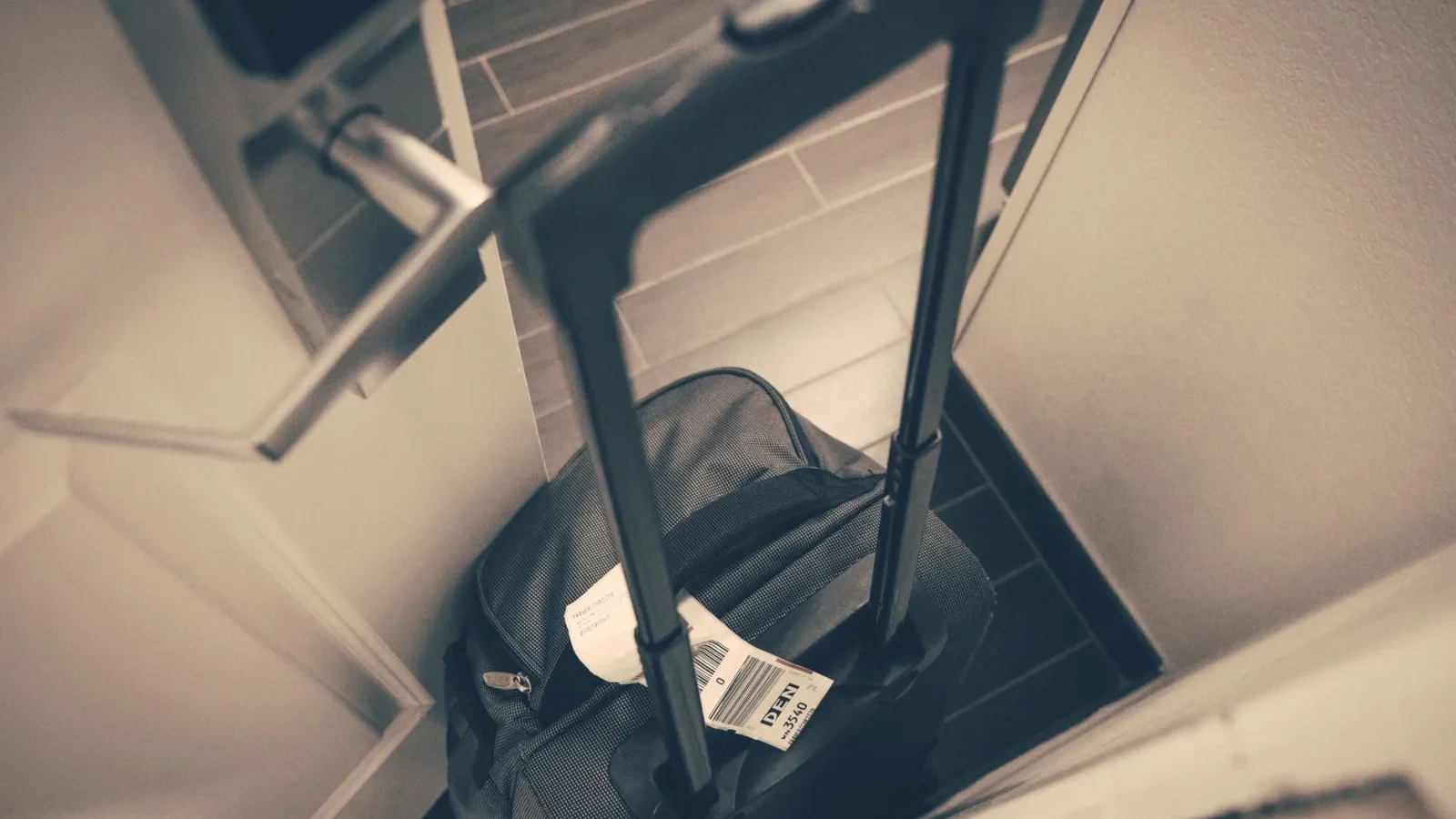
The worst septic call I ever took came from a couple who flew home from three weeks in Italy to a soggy backyard and a house that smelled like a locker room. Nothing actually failed while they were gone. A toilet flapper had been leaking a slow trickle the entire time, and that trickle ran their drain field into the ground with no one home to catch it. Ten minutes of septic care before vacation would have spotted it. Here is the checklist I hand every homeowner before a long trip.
Key takeaways
- The biggest vacation risk is not an idle tank, it is a small leak like a running toilet that floods the system for days with nobody watching.
- Get the tank checked or pumped before you go if it is due, and rinse the effluent filter so nothing clogs while you are away.
- Leave power to any pump, aerator, or high-water alarm switched on, and set a water softener to demand mode.
- Skip the pre-trip chemical deep clean, since a slug of bleach with no fresh wastewater stalls the tank bacteria.
- Ease back into normal water use the day you return, and walk the drain field for wet spots or odor.
What actually goes wrong while you are away
An empty house is usually the safest thing that can happen to a septic system. No dishes, no laundry, no showers, which means the tank gets a long, quiet rest. The bacteria slow down, but they do not die off in a couple of weeks, so you do not need to feed them anything before you go.
The trouble comes from two directions. The first is water you never meant to send: a running toilet, a dripping supply line, or a water softener that regenerates on a timer. With nobody home, that flow runs day and night into a system that has no chance to recover. The second is a problem that was already brewing (a full tank, a clogged filter, a tired pump) that finally tips over while you are gone.
The EPA’s own septic basics make the point plainly: the quickest way to overload a system is to send it more water than it can handle. The EPA septic care guidance is worth a read if you want the reasoning behind every step below.
- A running toilet can push 200 gallons a day or more into the tank, enough to flood a drain field in under a week.
- A tank that was already near capacity backs up the moment you return and run that first big load of laundry.
- On aerobic and pump-based systems, a tripped breaker leaves effluent with nowhere to go and the bacteria without air.
- A softener stuck on timed regeneration keeps dumping salty backwash with no other water to dilute it.
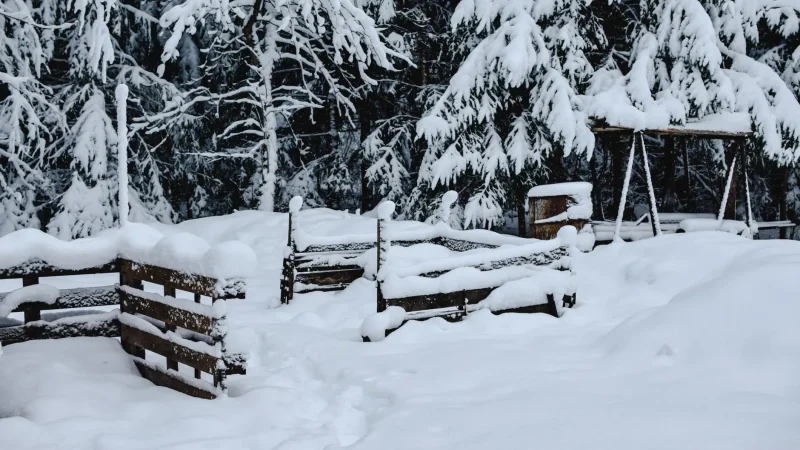
- In cold climates, standing pipes with no warm flow can freeze during a winter absence.
Your septic checklist before a short trip
For anything up to about two weeks, the list is short. Walk through it the day before you leave and you have covered the failures I see most.
- Fix every leak first. Watch the toilet for a phantom refill, check under sinks, and listen for a hiss at the water heater. This single step prevents most vacation disasters.
- Do laundry and dishes a day early. Run your loads, then let the tank settle overnight so it is not working hard the moment you lock the door.
- Rinse the effluent filter if your tank has one. A two-minute hose rinse now means it will not choke while you are away. Our walkthrough on how to clean a septic tank effluent filter covers the whole job.
- Hold off on the chemical purge. No draining a hot tub, no flushing a season of wipes, and no last-minute bleach cleanout before you leave.
- Note your last pump-out date. If it has been close to your normal interval, book service before the trip rather than after.
Extra steps for a long absence
Snowbirds, summer-long rentals, and anyone gone a month or more need a few more moves. The longer the gap, the more time a small oversight has to grow. Leaving a septic system unused for a season is fine, as long as you prepare it first.
- Leave the power on. Any effluent pump, aerator, or high-water alarm needs electricity the whole time. Flipping the main breaker to save a few dollars can kill an aerobic system’s bacteria in days.
- Arrange a set of eyes. Ask a neighbor or house sitter to listen for the alarm and glance at the drain field once a week. A smart alarm that texts you is even better.
- Put the softener in demand mode. Set it to regenerate only when water is actually used, not on a clock that keeps running with the house empty.
- Consider shutting the main water valve. If nobody will be inside at all, closing the main is the surest way to stop a leak you cannot see.
- Keep runoff off the field. Turn off sprinklers over the drain field and clear the gutters, so weeks of standing water do not saturate the soil.
Match the checklist to how long you are gone
Not every trip needs the full routine. Use this table to size the prep to the length of your absence, then add anything your specific system calls for.
| Length of absence | Must-do steps | Nice to have |
|---|---|---|
| A weekend to a week | Fix leaks, hold off on a chemical clean | Rinse the filter if it is due |
| One to two weeks | Fix leaks, check pump-out date, keep power on | Ask a neighbor to listen for the alarm |
| A month or more | All of the above, plus softener in demand mode | Shut the main valve, add a smart alarm |
| A full season (snowbird) | Pump if due, power on, weekly check-ins | Winterize lines in cold climates |
If your trip runs through winter in a cold state, freezing is the wild card. A university extension office is the best local source for winterizing steps that fit your soil and climate; the University of Minnesota Extension septic pages lay it out without jargon.
The day you get back
Coming home is the other half of the job. A system that rested for weeks does not want a marathon on day one.
- Start slow. Run one load of laundry, not five, and spread the catch-up washing over two or three days. Our tips on how to reduce septic water use make the flow easy to keep even.
- Listen and look. Confirm no alarm is sounding, then walk the drain field for wet spots, odor, or a stripe of unusually green grass.
- Watch drains for a day. Slow drains or gurgling after a long absence can mean the tank filled higher than you expected.
- Stop if something smells. If a drain backs up or the yard reeks, cut heavy water use and call a pro before you make it worse.
Ray’s field tip
Before a long trip I run a strip of painter’s tape across the handles of any toilet nobody will use, and I write the water main location on it. It sounds silly, but it stops a half-asleep house sitter from starting a phantom flush loop, and it means anyone can shut the water off fast if the alarm goes off. Rolling small moves like this into your everyday septic care habits makes the pre-trip check take five minutes instead of an hour.
Frequently Asked Questions
Do septic bacteria die if the system sits unused for weeks?
No. The bacteria slow down but survive comfortably for a few weeks with no fresh waste. You do not need additives or a starter product when you return, since normal use wakes the colony back up within a day or two.
Should I pump the tank before a long vacation?
Only if it is due. A pump-out you already needed is worth doing before you leave, so you do not return to a near-full tank that backs up on your first big load. Pumping a tank with plenty of room left is just wasted money.
Is it safe to turn off the power to my septic system while I am away?
Not on pump-based or aerobic systems. Those rely on a pump, aerator, or alarm that must stay powered. A gravity-fed conventional system has no electrical parts to worry about, though the alarm, if you have one, still needs power.
What is the single most important thing to do before leaving?
Fix leaks. A running toilet or dripping valve is the most common cause of a septic surprise while you are gone, and it takes only minutes to check. Everything else on the list matters less than stopping unwanted water.
Can I leave my septic system unused all winter?
Yes, with prep. In cold climates, pump if due, keep power on for any pump, and make sure shallow lines cannot freeze. Some owners add insulation or a light straw cover over exposed components. Ask a local pro about the right winterizing steps.
Do I need to add a septic treatment before or after a trip?
No. Store-bought additives do not help, and some harm the tank’s natural bacteria. Fresh wastewater from your normal routine is all the system needs to get going again after any long trip.
Leave with a quiet system
A septic system is happiest when you leave it a little empty and completely leak-free. Spend ten minutes the day before you go checking for drips, confirming the power stays on, and holding off on any chemical cleanout, and you take the two likeliest vacation failures off the table. Come home slow, walk the field, and your first day back stays about unpacking instead of unclogging. For the full routine that keeps a system trouble-free all year, read our complete septic maintenance guide or browse the rest of the maintenance archive.