
The scariest septic bills almost never arrive out of nowhere. The tank had been whispering for months first: a drain that gurgled, a patch of grass that stayed too green, a faint odor near the yard on humid evenings. Most owners just did not know to listen. After years of caring for my own system, I have learned that a fifteen-minute walk-around every season catches the small warnings long before they turn into a pump-and-pray emergency. This guide shows you exactly what to look at, what is normal, what is not, and the clear line where you should stop and call a pro.
Key Takeaways
- A homeowner self-check every 3-4 months takes about 15 minutes and catches most trouble early.
- You inspect the visible signs: drains, fixtures, the tank lids, and the ground over your drain field.
- Never enter a septic tank. The gases inside can kill in seconds, so all checks stay above ground.
- A self-check does not replace a professional inspection every 3-5 years or measuring sludge during pumping.
- Standing water, sewage odor indoors, or backups mean stop and call a licensed pro now.
What a DIY Septic Inspection Can and Cannot Do
Let me set expectations first, because this matters. A homeowner self-check is a surveillance tool, not a diagnosis. You are watching for changes and warning signs so you can act before a failure. You are not measuring sludge depth, pressure-testing the tank, or judging whether the drain field soil still accepts water. Those require a licensed professional with the right equipment.
Think of it the way you think about your car. You check the oil and listen for odd noises between garage visits, but you still get it serviced on schedule. Your septic system works the same way. The self-check lives in the gaps between the professional inspections and pump-outs covered in our complete septic system maintenance guide.
The One Rule You Never Break
Never open a tank and lean in, and never send anyone inside. Septic tanks hold hydrogen sulfide, methane, and other gases that can knock a person unconscious in a single breath and be fatal. People die this way every year, often trying to rescue someone who fell in first. Every step in this guide is done from above ground, at arm’s length, with the lid barely cracked if at all. If a check requires going into the tank, that is a job for a pro, full stop.

Your DIY Septic Inspection Checklist, Step by Step
Here is the routine I run on my own system roughly every three to four months. Work through it in order. You will need old gloves, a flashlight, and a notebook or your phone to record what you find. Set aside about fifteen minutes.
- Check every drain in the house. Run the kitchen sink, flush toilets, and start a load of laundry. Watch for slow draining, gurgling, or bubbling in other fixtures. A single slow drain is usually a local clog; slow drains all over the house point toward the tank or field.
- Listen and smell indoors. A healthy system is silent and odorless inside. Persistent gurgling after a flush or a sewer smell near floor drains is an early warning worth logging.
- Locate and eyeball the tank lids. Clear grass or mulch and check that lids sit flat, are not cracked, and are securely fastened. Loose or damaged lids are a safety hazard, especially around children and pets.
- Check the tank area for settling. Look for depressions, sinkholes, or pooling water directly over the tank. Soft or sunken ground can mean a leak or a failing lid.
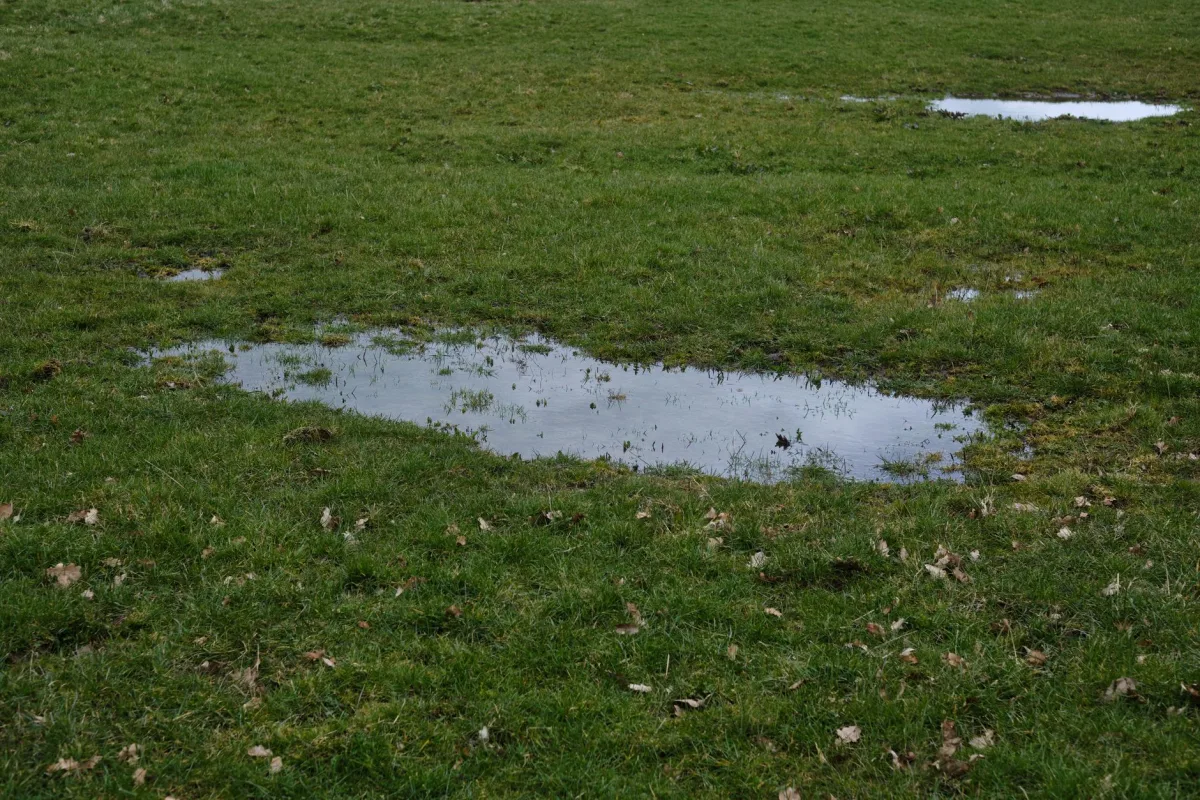
- Walk the drain field slowly. This is the most important stop. Look for standing water, unusually lush or green grass, spongy ground, or any sewage odor. All of these suggest the field is struggling to absorb effluent.
- Find the outlet filter, if you have one. Many tanks have an effluent filter at the outlet baffle that you can lift and rinse. Only do this if it is at the surface via a riser and you can reach it without leaning into the tank.
- Record everything. Note the date and anything you saw, even if all looks fine. A running log turns a vague hunch into a clear trend over time.
That is the whole loop. On a system in good shape, you will find nothing every time for years, and that boring result is exactly what you want. The value is that the one time something changes, you catch it in week one instead of month six.
Warning: Never enter or fully open a septic tank
Do not climb into a tank, lean over an open lid, or reach deep inside, even for a moment. The gases are invisible and can overcome you before you realize it. If a lid is off, stay upwind and keep children and pets well back. Any task that requires being inside the tank belongs to a licensed septic professional with confined-space training and gear.
How to Read What You Find: Normal vs Warning Signs
Spotting something is only half the job. Knowing whether it is routine or a red flag is what keeps you from panicking over a minor issue or ignoring a serious one. Use the table below as a quick reference for the most common findings.
| What You Notice | Likely Normal | Warning Sign |
|---|---|---|
| Drain speed | One slow drain (local clog) | Multiple slow drains at once |
| Grass over field | Even, healthy growth | One strip much greener or lusher |
| Ground over field | Firm and dry | Spongy, wet, or standing water |
| Odor | Brief smell when lid is open | Sewage smell indoors or lingering outdoors |
| Sounds | Silent drains | Gurgling toilets or drains after flushing |
| Tank lids | Flat, intact, secure | Cracked, loose, or sunken ground nearby |
The single most useful skill is noticing change. A field that has always had one greener patch may just have richer soil there. But a patch that turns lush this month when it was even last month is telling you effluent is surfacing. That is why the log matters so much.
The Warning Signs That Mean Stop and Call Now
A few findings are not “watch and wait” situations. If you see any of these, stop the self-check and get a licensed professional out promptly. Waiting risks a full failure and a far bigger bill.
- Sewage or gray water backing up into a tub, floor drain, or lowest toilet.
- Standing wastewater or a strong sewage odor over the drain field.
- Any part of the tank lid collapsed or sunken, which is a fall-in danger.
- A septic alarm sounding, if your system has a pump chamber.
- Whole-house slow drains that do not clear after light water use.
How Self-Checks Fit With Professional Service
Your seasonal walk-around is one layer of a larger routine, not the whole thing. The EPA’s SepticSmart program recommends having a professional inspect a conventional system every three years, with alternative systems on tighter schedules, and pumping typically every three to five years depending on tank size and household load. Your self-checks fill the long stretches in between and help you time that pumping right.
They also feed real information into the professional visit. When you can tell the technician that the drain field has stayed dry all year but the kitchen drain slowed last month, you have handed them a head start. To dial in your own pumping interval based on tank size and household, see our guide on how often you should pump a septic tank.
Tip: Install risers to make every check easier
If your tank lids sit buried a foot underground, add risers that bring them to the surface. On my own system, two risers turned the lid check from a shovel job into a thirty-second lift-and-look. They also make pump-outs faster and cheaper, since the pumper does not have to dig. Expect a few hundred dollars installed, and it pays back the first time you skip a digging fee.
A Real Self-Check That Paid Off
Two winters ago, my routine walk turned up a patch of ground over the drain field that felt spongy underfoot when the rest was frozen firm. No smell, no backups, nothing else wrong. I logged it and watched. Three weeks later the same spot showed faint standing water after a heavy laundry weekend. That was my cue. The pro I called found the tank overdue for pumping, with solids starting to carry over toward the field. A $420 pump-out and a habit change fixed it. Left another season, that same issue can turn into a drain field replacement running several thousand to $20,000 or more. The fifteen-minute walk saved me a five-figure bill.
Building the Self-Check Into a Habit
The check only works if you actually do it. The easiest system I have found is to tie it to something you already track. Pick the first weekend of each season, or link it to when you change your smoke-detector batteries or clocks. Four times a year is plenty for most homes.
Keep the log somewhere you will find it: a note on your phone, a page in a binder with your pumping receipts, or a shared calendar. Over a few years that record becomes genuinely valuable, both for spotting trends and for proving to a buyer that the system was cared for. If you hit a question mid-check that this guide did not cover, our septic care FAQ answers the ones owners ask most.
Frequently Asked Questions
How do I inspect a septic system myself?
Run every drain in the house and watch for slow draining or gurgling, then check the tank lids for cracks and settling, and walk the drain field looking for standing water, extra-green grass, or odor. Do it all from above ground, log what you find, and repeat every three to four months. Never open the tank and lean in.
How often should I check my septic system?
A quick homeowner self-check every three to four months, roughly once a season, is enough for most homes. This is separate from professional service. The EPA recommends a pro inspection about every three years for conventional systems and pumping every three to five years, depending on your tank size and household water use.
Can I open my septic tank to look inside?
You can clear off and eyeball the lids from above, but never open a tank fully and lean in or climb inside. Septic gases like hydrogen sulfide and methane can knock you out in seconds and are often fatal. Any task requiring access inside the tank must be done by a licensed professional with confined-space gear.
What are the warning signs of a failing septic system?
Watch for slow drains throughout the house, gurgling toilets, sewage odor indoors or over the yard, standing water or bright-green grass over the drain field, and any sewage backing up into fixtures. A sounding pump alarm is another red flag. Any of these means you should stop and call a licensed septic professional promptly.
Does a self-check replace a professional septic inspection?
No. A self-check is surveillance that catches warning signs early, but it cannot measure sludge depth, test the tank for leaks, or judge the drain field soil. Keep doing seasonal self-checks between professional inspections every few years and pumping on schedule. The two work together to protect the system and your budget.
Conclusion
Inspecting your own septic system is not about becoming an expert. It is about noticing change early, from above ground, on a rhythm you can actually keep. Fifteen minutes a season, a simple log, and a clear sense of when to call a pro will spare you the sudden, expensive surprises that catch most owners off guard. When you are ready to build the rest of your routine around these checks, browse the other guides in our septic maintenance articles to keep your system healthy for the long haul.