You knew your new place had “a septic system,” but nobody mentioned there were half a dozen kinds, each with its own quirks and price tag. When my neighbor and I compared notes one summer, we realized his mounded backyard and my flat, boring lawn were doing the exact same job in completely different ways. The type you own decides how much it costs to run, how careful you have to be, and what a repair might set you back.
In this guide you’ll learn the six most common types of septic systems US homeowners run into, how to recognize which one is yours, and what each means for your wallet and upkeep.
Key Takeaways
- Most US homes use one of six types: conventional, chamber, mound, aerobic treatment unit (ATU), drip distribution, or a sand filter system.
- Conventional gravity systems are the simplest and cheapest; alternative systems exist because of poor soil, high water tables, or small lots.
- Alternative systems (mound, ATU, drip) usually cost more to install and often require permits, electricity, and yearly service contracts.
- You can often ID your type by checking your county permit records and looking for tell-tale signs like a raised mound or an electrical control panel.
- No matter the type, every system relies on the same basics: settle solids, treat the liquid, and disperse it into soil safely.
Why There’s More Than One Type of Septic System
Every septic system does the same three jobs: hold wastewater so solids can settle, let bacteria break down waste, and disperse the treated liquid into the ground. What changes from one type to the next is how that treated liquid gets cleaned and released. That variation isn’t for show. It exists because the land under your home varies enormously.
If your soil drains well and the water table sits deep, a simple gravity system works fine. But if you have heavy clay, sandy soil that drains too fast, a high water table, shallow bedrock, or just a small lot, the county won’t approve a basic setup. Those sites need an “alternative” system that adds extra treatment or a special dispersal method before the water reaches the ground.
If the core stages feel fuzzy, our pillar guide on how septic systems work from toilet to drainfield walks through the whole journey. Knowing the stages first makes the differences below click into place.

The 6 Common Types of Septic Systems
Here’s a grouped tour, roughly from simplest and most common to the more specialized. As you read, picture your own yard and see which description fits.
1. Conventional Gravity System
This is the classic setup and by far the most common in the US. Wastewater flows by gravity from the house into a septic tank, then the clarified liquid (effluent) flows out to a network of perforated pipes buried in gravel-filled trenches, called the drain field or leach field. Soil does the final treatment as the liquid seeps down through it.
No pumps, no electricity, no moving parts beyond the tank baffles. If your lawn is flat, there’s no mound, and you’ve never seen an electrical box near the tank, you almost certainly have this type. It’s the cheapest to install and maintain, which is exactly why counties approve it whenever the soil allows.
2. Chamber System
A chamber system is a modern twist on the conventional drain field. Instead of gravel-and-pipe trenches, it uses large plastic arch-shaped chambers that create open space for effluent to collect and soak into the soil. From the surface it looks identical to a conventional system, since it’s all buried.
Chambers have become popular because gravel supply and hauling costs have climbed, and the plastic units are lighter and faster to install. Treatment works the same way; only the drain-field construction differs. If your system was installed in the last couple of decades, there’s a decent chance it uses chambers even if you’d never know from the yard.
3. Mound System
If there’s a low, grassy hill in your yard that doesn’t quite belong, you probably have a mound system. These are built where the natural soil is too shallow, too wet, or drains poorly. Sand and gravel are piled above ground to create an artificial drain field, and effluent is pumped up into it, so a mound system needs a pump and a small dose tank.
Mounds treat and disperse liquid well, but they cost more to build, require electricity for the pump, and demand a bit more attention. You can’t drive or build on them, and the added components mean a few more things that can eventually wear out.
4. Aerobic Treatment Unit (ATU)
An ATU is basically a miniature version of a municipal treatment plant buried in your yard. It pumps air into a chamber so oxygen-loving (aerobic) bacteria break down waste far more thoroughly than the standard tank. The result is much cleaner effluent, which is why ATUs are approved on tight lots or near lakes and other sensitive areas.
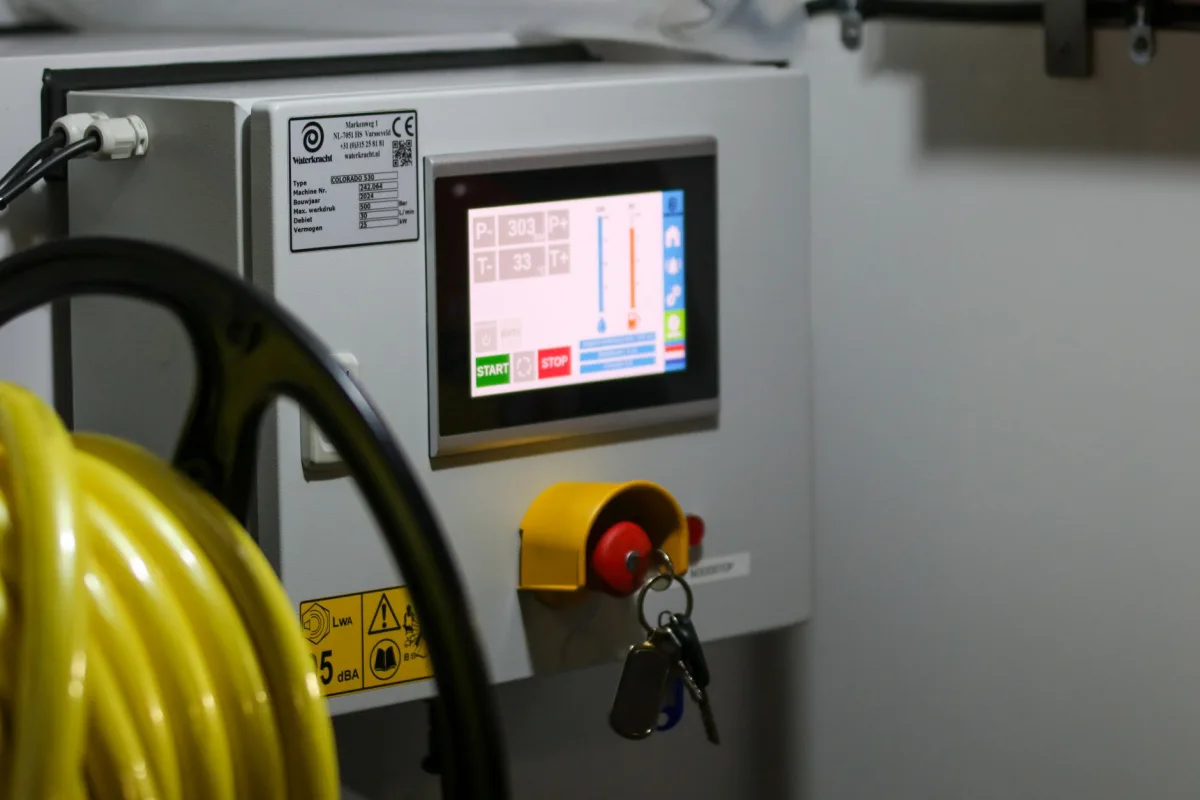
The trade-off is complexity. An ATU has an air pump running around the clock, an electrical control panel, and usually a required annual or semi-annual service contract in many states. If you see a control box with an alarm light near your tank, an ATU is a strong bet. Want the deeper comparison? See our breakdown of how septic differs from being on city sewer for context on where these advanced systems fit.
5. Drip Distribution System
A drip distribution system releases treated effluent slowly through a network of small, shallow tubing, similar to a garden drip-irrigation line. Because the tubing sits close to the surface, this method works where deep trenches aren’t possible, like sites with shallow soil over bedrock.
Drip systems spread the load gently and evenly, which is easy on the soil. They typically pair with an ATU or another treatment step first, and they need a pump, a dose tank, and filters. More parts means more maintenance and a higher install cost, but they’re a good fit for challenging lots.
6. Sand Filter System
A sand filter system routes effluent through a sealed box or bed of sand before it reaches the drain field. The sand acts as an extra filter, polishing the liquid so it’s clean enough for sites with high water tables or nearby surface water. The filter can be buried or sit above ground.
Like other alternative systems, sand filters usually need a pump and periodic upkeep to keep the sand from clogging. They cost more than a conventional setup but less drama than a full ATU in many cases. They’re common in coastal and lakeside communities where protecting water quality is a priority.
Tip: Electricity is your biggest clue
Here’s a fast field test I use. Walk out to the tank area and look for an electrical control panel, a mounted alarm, or a power line running to the yard. Conventional and chamber systems generally need no electricity. If there’s a control box or pump, you’re looking at a mound, ATU, drip, or sand filter system, and that means you have an annual service to budget for.
Septic System Types Compared at a Glance
The table below sums up how the six types stack up on the things that actually matter to a homeowner: cost, complexity, and where each one shines. Treat the cost ranges as rough US ballparks; your soil, region, and local labor rates move the numbers.
| System Type | Needs a Pump? | Relative Install Cost | Best For |
|---|---|---|---|
| Conventional gravity | No | Lowest | Good soil, deep water table |
| Chamber | No | Low | Gravel-free, modern installs |
| Mound | Yes | High | Shallow or wet soil |
| Aerobic (ATU) | Yes (air pump) | Highest | Small lots, sensitive areas |
| Drip distribution | Yes | High | Shallow soil over bedrock |
| Sand filter | Yes (usually) | Moderate to high | High water tables, near water |
Notice the pattern: the more the ground fights you, the more equipment your system needs, and the more it costs to install and maintain. That’s not a rip-off; it’s the price of safely treating wastewater on a difficult site.
How to Identify Which Type You Have
You don’t need to dig anything up to figure out your system. Work through these steps in order and you’ll usually have your answer within an afternoon.
- Pull your county permit or “as-built” record. Most health departments keep the original septic permit on file, and it names the exact system type and layout.
- Check closing documents and the seller’s disclosure. The system type is often listed there, along with the install date and last service.
- Walk the yard for an above-ground mound. A raised, grassy hill points straight to a mound system.
- Look for an electrical control panel or alarm box. Its presence means a pump-based system: ATU, drip, mound, or sand filter.
- Note how many lids and access risers you see. A single tank with a drain field suggests conventional or chamber; multiple tanks or a treatment unit suggests something advanced.
- Still unsure? Ask a local licensed pumper during your next service. They can identify the type on sight in minutes.
Getting this right early saves you from expensive assumptions later. Skipping the paperwork step is one of the classic new-owner slip-ups covered in our roundup of septic basics new owners get wrong, and it’s an easy one to avoid.
A Quick Real-World Example
When I helped a friend sort out her lakeside cabin, we assumed she had a plain conventional system because the yard looked flat. But the county file showed a sand filter, installed in 2011 specifically because of the property’s closeness to the water. That single record changed her maintenance plan entirely: she needed to budget for filter upkeep and a pump she never knew existed. Fifteen minutes of paperwork spared her a nasty surprise down the road.
What Your System Type Means for Upkeep
Once you know your type, the maintenance picture gets clearer. Every system still needs the tank pumped periodically (typically every 3 to 5 years, depending on tank size and household). But the alternative systems add extra chores on top.
- Conventional and chamber: Pump the tank on schedule, protect the drain field, and keep the wrong stuff out of your drains. That’s largely it.
- Mound: Everything above, plus keep an eye on the pump and never compact or build on the mound.
- ATU, drip, and sand filter: All of the above, plus a service contract, filter checks, and paying attention when the alarm light comes on.
The EPA’s SepticSmart program is a solid, non-commercial resource for care tips tailored to different system types, and it’s worth a bookmark for any new owner.
Frequently Asked Questions
What is the most common type of septic system?
The conventional gravity system is by far the most common in the US. Wastewater flows by gravity from the house to the tank, then out to a buried gravel-and-pipe drain field where soil finishes the treatment. It has no pumps or electricity, which makes it the cheapest to install and maintain.
How do I know what type of septic system I have?
Start with your county permit or as-built record, which names the exact type. Then check closing documents and walk the yard. A raised grassy mound signals a mound system, and an electrical control panel or alarm box means a pump-based system like an ATU, drip, or sand filter. A licensed pumper can also identify it on sight.
Why do some homes need alternative septic systems?
Alternative systems exist for difficult sites. Heavy clay, fast-draining sand, a high water table, shallow bedrock, or a small lot can all prevent a basic gravity system from safely treating wastewater. In those cases the county requires added treatment or a special dispersal method, such as a mound, ATU, or sand filter, to protect groundwater.
Which septic system type is the most expensive?
Aerobic treatment units (ATUs) are typically the most expensive to install and run because they include an air pump, a control panel, and usually a required service contract. Mound and drip systems also cost more than conventional setups. Conventional gravity systems are the least expensive since they use no electricity or pumps.
Do all septic systems need a pump?
No. Conventional gravity and most chamber systems rely entirely on gravity and use no pump. Mound, aerobic treatment unit, drip distribution, and most sand filter systems do require a pump, plus electricity to run it. Seeing an electrical panel or alarm near your tank is a reliable clue that your system uses a pump.
Conclusion
Knowing your septic type turns a buried mystery into a manageable piece of your home. Whether you’ve got a simple gravity system quietly working under a flat lawn or a pump-driven ATU with its own alarm, the type sets your budget, your habits, and your peace of mind. Pull your county records, look for the clues above, and you’ll know exactly what you’re caring for. When you’re ready to keep learning, browse the rest of our septic system basics articles at your own pace.