
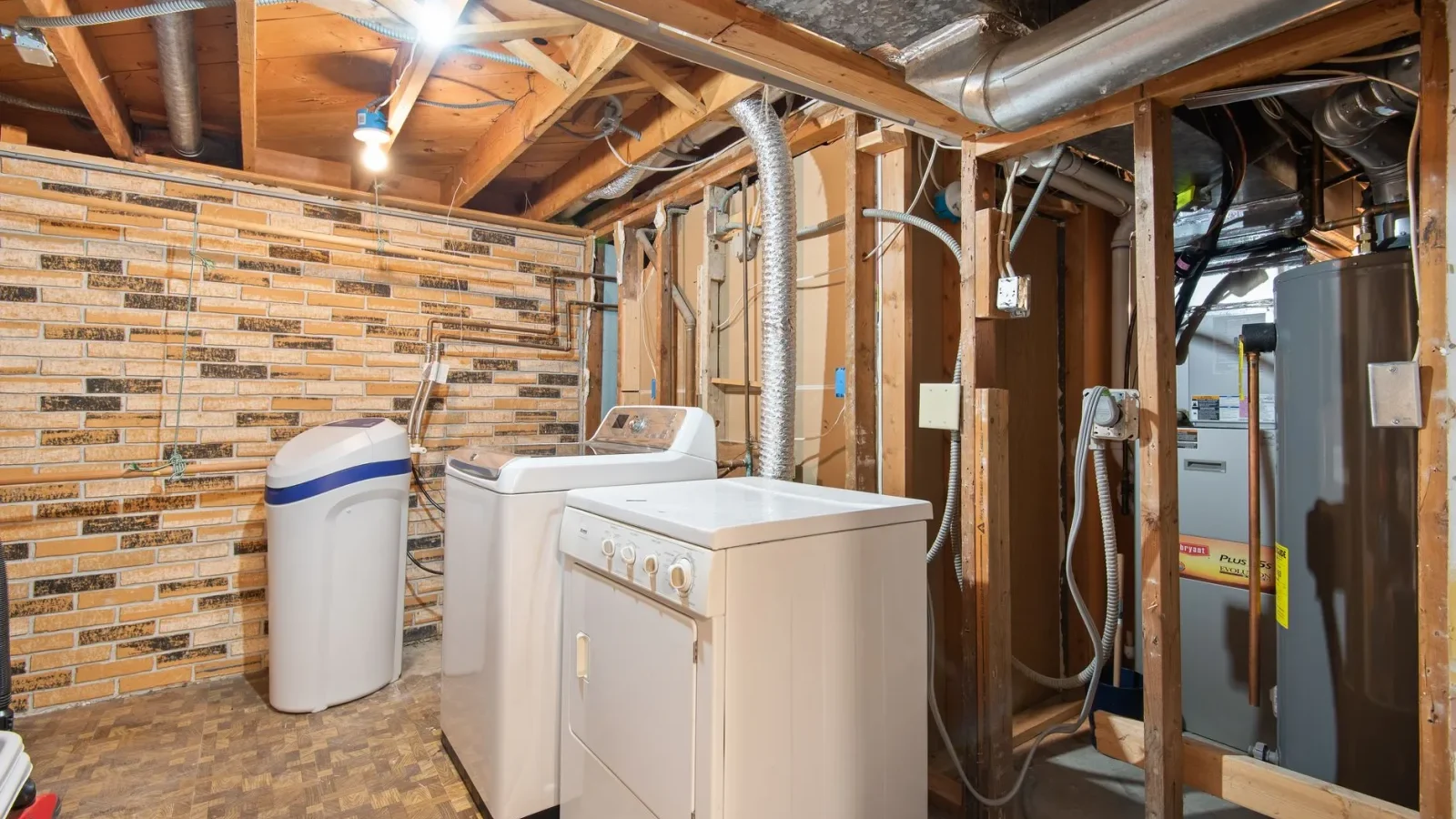
When I put a water softener in my own house, the plumber paused at the drain line and asked where it emptied. Straight into the septic tank, same as the laundry. He shrugged and said people argue about that all day. He was right. Few septic questions attract as much bad advice as this one, with half the internet swearing softeners wreck drain fields and the other half insisting it makes no difference. The honest answer sits in between, and it hinges far more on how the softener is set up than on whether you own one at all.
Key takeaways
- A modern, efficient water softener does not harm a healthy septic system, and the calcium and magnesium in the backwash can even help solids settle.
- The real risk comes from an old timer-based softener that dumps extra water and salt your tank never needed.
- Sodium is the drain field concern, mostly in tight clay soils where it can slowly reduce how well water soaks in.
- A demand-initiated (metered) softener with the correct salt setting cuts both the water and the salt load sharply.
- If you are still worried, potassium chloride pellets and a separate backwash drain (where code allows) are the two cleanest fixes.
The short answer: are water softeners bad for septic systems?
A modern, efficient water softener is not bad for a healthy septic system, and there is research to back that up. A study funded by the Water Quality Research Foundation tested softener discharge against septic treatment and found no harm to the tank’s function. The added calcium and magnesium actually helped solids settle a little faster. The catch is the word efficient.
An old timer-based unit that regenerates whether you need it or not, or one set to dump far more salt than your water requires, tells a different story. The equipment is rarely the problem. The setup is. So instead of asking whether to keep your softener, the better question is whether it is running lean and draining where it should.
What a softener actually sends to your tank
To follow the debate, it helps to know what leaves the softener. Inside the tank sits a bed of resin beads that grab the calcium and magnesium making your water hard. In exchange they release sodium. Over time the beads fill up and stop working, so the softener rinses them with a strong salt solution called brine. That rinse strips the hardness minerals off the beads and washes them, the salt, and the rinse water down the drain. That whole event is a regeneration.
A single regeneration sends roughly 20-65 gallons of water to your drain, depending on the unit and its settings. How often it happens depends on your water hardness and how the softener decides to regenerate. That combination, the volume of water and the amount of salt, is exactly what determines whether your septic system notices or not.
Does softener brine kill septic bacteria?
This is the fear that started the whole argument, and for a healthy system it is mostly unfounded. A septic tank holds 1,000 gallons or more, so a slug of brine gets diluted quickly into a much larger volume. The bacteria doing your treatment tolerate a fair amount of salt, and the discharge from a well-set softener stays well below the level that would slow them down. The research above found no meaningful drop in treatment.
There is even a small upside. The calcium and magnesium in the backwash act like a settling aid, nudging fine solids to clump and drop to the sludge layer instead of drifting toward the outlet. The bacteria only get into trouble in one situation, which is worth watching for.
- A softener stuck in regeneration that keeps cycling and floods the tank with brine and water around the clock.
- A badly oversalted setting that uses far more salt per cycle than your hardness calls for.
- A tiny or already struggling tank where any extra hydraulic load pushes solids out before they settle.
None of those describe a normal, well-adjusted softener. They describe a malfunction or a bad setting, both of which are fixable.
Can salty backwash damage the drain field?
This is the more legitimate concern, and it happens downstream of the tank. Sodium has a habit of loosening the bonds between clay particles in soil, a process that can make fine-grained soil pack tighter and drain slower. In a drain field built on heavy clay, years of high-sodium effluent could, in theory, reduce how quickly water soaks away. Sandy and loamy soils shrug it off far more easily because their particles do not disperse the same way.
The second drain field issue is plain volume. Every gallon a softener regenerates is a gallon your field has to absorb on top of normal household use. An efficient metered softener adds very little. A timer unit regenerating on a fixed schedule, sometimes when nobody is even home, adds water for no reason. That is the same water-load thinking behind our notes on how to reduce septic water use. Cut the salt and cut the excess water, and the drain field concern shrinks with it.
How to run a water softener safely on a septic system
You almost never need to rip out a softener. You need to make it lean. Work through these in order, and most homes end up with a system the tank barely registers.
- Switch to demand-initiated regeneration. A metered softener regenerates only when the resin is actually used up, not on a calendar. If you are buying new, this single feature does more for your septic system than anything else on the list.
- Set the hardness correctly and stop oversalting. A softener programmed for harder water than you have will use extra salt every cycle. Test your water or ask your utility for the hardness number, then set the unit to match. Less salt in means less salt out.
- Consider potassium chloride pellets. They cost more than sodium chloride, but they replace the sodium in your discharge with potassium, which does not disperse clay soil the way sodium does. This is the cleanest fix for a field on tight soil.
- Ask about a separate backwash drain. Some jurisdictions allow softener backwash to route to its own dry well or approved drain instead of the septic tank. Where code permits it, this removes both the salt and the extra water from the septic load entirely. Never reroute anything without checking local rules first.
- Fix malfunctions fast. A softener that regenerates constantly or leaks brine is the one scenario that genuinely stresses a tank. If yours cycles far more often than it used to, treat it as a repair, not a quirk.
- Keep your normal pumping schedule. A softener does not change how often solids need removing, so hold your regular interval. Skipping pump-outs is its own problem, one we cover in the septic maintenance guide.
Which setup choices actually matter
If you only change two things, make the softener metered and match the salt to your real hardness. This table shows how the common choices land on a septic system.
| Setup choice | What it does | Septic impact |
|---|---|---|
| Timer-based regeneration | Regenerates on a fixed schedule regardless of use | Wastes water and salt; adds needless load |
| Demand-initiated (metered) | Regenerates only when the resin is exhausted | Least water and salt; best for septic |
| Sodium chloride salt | Standard and cheap | Fine for most; watch sodium in clay-soil fields |
| Potassium chloride salt | Costs more per bag | Lower sodium; gentler on tight-soil drain fields |
| Separate backwash drain | Diverts brine from the tank where code allows | Removes both salt and water from the septic load |
Getting these dialed in is one of the quiet habits that keeps a system trouble-free, the same mindset behind most of the best septic care habits. For a broader look at how everyday water use reaches the same tank, the post on doing laundry the septic safe way covers the surge side of the equation.
Ray’s field tip
Once a year, watch your salt use. Mark the level in the brine tank, note the date, and see how long a bag lasts. If your salt use suddenly jumps with no change in household habits, the softener is regenerating too often, which means both extra salt and extra water are hitting the tank. On my own unit, that check caught a stuck valve months before it would have shown up as a soggy patch over the drain field. A dollar of attention saved a very expensive lesson.


Frequently Asked Questions
Will a water softener ruin my septic system?
No, not on its own. Research on softener discharge found no harm to a healthy septic tank, and the calcium and magnesium in the backwash can even help solids settle. Trouble only shows up when a softener is inefficient or broken: a timer unit that regenerates for no reason, a badly oversalted setting, or a valve stuck in constant regeneration. Fix the setup and a softener and septic system coexist fine.
Should I use potassium chloride instead of salt with a septic tank?
It depends on your soil. Potassium chloride costs more, but it keeps sodium out of your discharge, which matters most if your drain field sits on heavy clay that sodium can pack tighter over time. On sandy or loamy soil, standard sodium chloride is usually fine. If you are unsure of your soil type or already see slow drainage over the field, potassium chloride is the safer choice.
Can I drain softener backwash outside instead of into the septic tank?
Sometimes, but only where local code allows it. Some jurisdictions permit routing softener backwash to its own dry well or approved drain, which keeps both the salt and the extra water out of the septic system. Others require it to go to the tank, and many ban discharging brine onto the ground or into storm drains. Check with your county health department before you reroute a single pipe.
Does a water softener mean I have to pump my tank more often?
No. An efficient softener does not change how fast solids build up, so keep your normal pumping interval based on tank size and household size. The extra water from regeneration is a hydraulic load, not a solids load. Only a malfunctioning softener that floods the tank would ever affect settling, and the fix there is repairing the softener, not pumping more often.
How do I know if my softener is overloading my septic system?
Watch three things. First, salt use: a sudden jump with no change in habits means it is regenerating too often. Second, the drain field: a soggy or salty patch that appears near the softener discharge line is a warning. Third, the softener itself: constant cycling or a running sound between uses points to a stuck valve. Any one of those is worth a service call.
Keep the softener, dial in the setup
The scary version of this question, that soft water quietly kills your septic system, does not hold up for a normal, efficient unit. What matters is running lean: a metered softener, a salt setting that matches your real hardness, potassium chloride if your soil is tight, and a quick repair the moment it starts cycling too much. Do that and your tank barely notices the softener is there. For more everyday routines that keep a system quiet and long-lived, browse the rest of our septic maintenance archive, and lean on the EPA’s septic system guidance or your local university extension septic program when a question is specific to your soil or code.