A homeowner once called me in a panic during a February cold snap, certain their tank had failed because every drain in the house had slowed to a crawl. It had not failed. The ground had simply frozen, and a shallow, poorly covered line was struggling to move water. That call has stuck with me for years, because it captures something most owners overlook: weather and septic systems are tied together far more closely than the quiet concrete box in your yard suggests. Rain, drought, heat, and cold each push the system a different way as the year turns.
Key takeaways
- Your septic system runs on living bacteria, and those microbes slow down in cold and speed up in warmth, which changes how well the tank treats waste.
- Heavy rain is the biggest weather threat, because saturated soil around the drain field has no room left to absorb effluent.
- Drought can crack soil and stall the bacterial balance, while a summer of high demand can overwhelm a tank that is otherwise digesting waste efficiently.
- Frozen ground, packed snow, and freezing pipes are the main winter risks, and most are preventable with cover and steady water use.
- Small seasonal habits, like spacing out laundry and keeping traffic off the field, protect a system far more than any additive you can pour in.
Does weather really affect a septic system?
It is easy to assume a buried tank is sealed off from the sky above it. The tank itself stays fairly steady, but the two parts that make a septic system actually work are anything but steady. The first is the colony of bacteria inside the tank that breaks down solids. The second is the soil under your drain field that filters and absorbs the treated water. Both react to what the weather is doing.
Bacteria are temperature driven. They stay busiest in warm conditions and slow as the ground cools, which is why a tank digests waste faster in July than in January. Soil is all about how much water it already holds. Dry soil drinks effluent quickly, while saturated soil cannot take another drop. If you want the full picture of how these parts fit together, our primer on how a septic system works walks through each stage in plain language.
So yes, weather matters. Not because it breaks the tank overnight, but because it quietly shifts how much margin your system has to work with on any given day.
How heavy rain and saturated ground stress a septic system
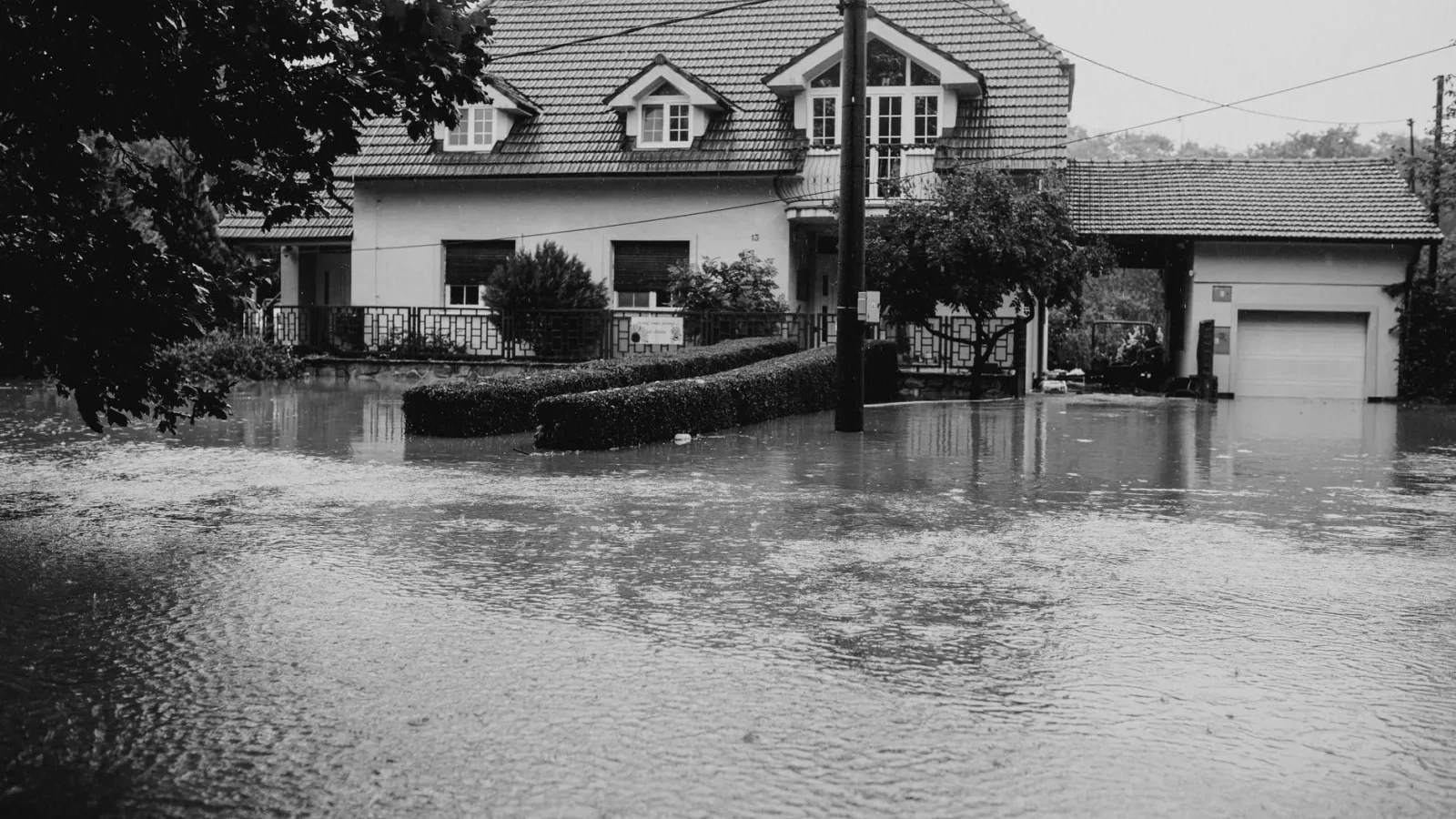
Rain is the weather event I get the most calls about, and for good reason. Your drain field works by letting treated water seep out of perforated pipes and soak down through the soil. That only happens if the soil has room to accept it. After days of steady rain, the ground around and below the field fills with water, and the effluent leaving your tank has nowhere to go.
When that happens, water backs up toward the house. You might notice slow drains, a gurgling toilet, or in a bad case, soggy ground and a sewage odor over the field. None of this means the tank is broken. It means the soil is temporarily overloaded, the same way a soaked sponge cannot mop up one more spill.
A few things make rain harder on a system than it needs to be:
- Downspouts and gutters that empty near the field, piling roof runoff onto ground that is already wet.
- A yard graded so that surface water flows toward the field instead of away from it.
- Vehicle traffic on wet soil, which compacts it and cuts how fast it can drain for months afterward.
- Running laundry and long showers during the storm, stacking household water on top of the flood.
The fix during a wet stretch is mostly patience and restraint. Cut your water use hard, spread essential laundry across the week, and give the ground a few dry days to recover. The EPA guidance on caring for your septic system makes the same point about easing demand when the field is stressed. If backups keep happening after every rain, the field may be undersized or aging, and our guide on how long a septic system lasts helps you judge whether yours is nearing the end of its service life.
What drought and dry spells do to a septic system
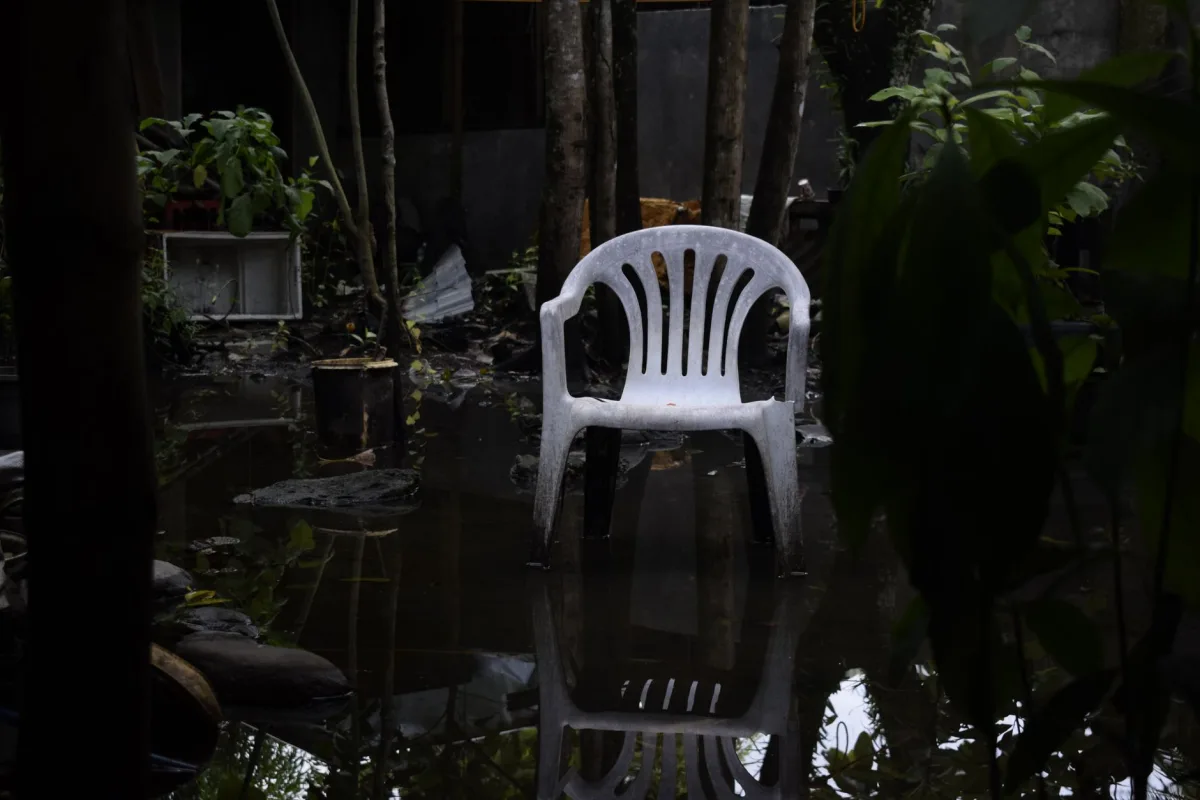
Dry weather sounds harmless, but a long drought brings its own set of problems. When soil dries out completely, it can shrink and crack. In clay heavy ground, those cracks form channels that let water run through too fast to be filtered the right way, and the soil pulls away from the pipes it is supposed to hug. A drain field needs some steady moisture to keep treating effluent properly.
Drought can also unsettle the bacterial balance when household water use drops off, which often happens when a family leaves for summer travel. A tank that sits with little fresh input loses some of its microbial activity. It recovers once normal use resumes, but the rebound is not instant, so the first few days back can feel sluggish.
The other drought risk is human. During water restrictions, some owners start concentrating more solids into far less water, which is harder on the tank than normal flow. Keep your usage steady and reasonable rather than swinging between extremes, and the system rides out a dry summer without much drama.
How summer heat changes tank behavior
Warm weather is genuinely good news for the biology inside your tank. Bacteria thrive in heat, so they digest solids more efficiently in summer than at any other time of year. That is the upside, and it is a real one.
The catch is that summer is also when household demand spikes. More showers after yard work, more laundry, houseguests for a week, filling a kiddie pool, lawn watering that drains back toward the field: it all lands in the same warm weeks. A tank that handles waste well in the heat can still be swamped by sheer volume if you are not spacing things out.
Extreme heat with no rain can bake the surface of the drain field too. If the grass over it dies back, you lose some of the evaporation that normally helps shed excess moisture. Keeping a healthy stand of grass over the field, watered lightly when needed, is one of the quiet ways heat and septic systems work in your favor. An owner heading into their first summer will find our new homeowner septic checklist a useful starting point for pacing water use.
What cold weather and frost do to a septic system
Winter is where I see the most avoidable trouble. Cold on its own does not stop a septic system, but frozen ground and frozen pipes can. The bacteria in the tank slow sharply as temperatures drop, so treatment turns less efficient, and any line that runs shallow or lacks cover is at risk of freezing solid.
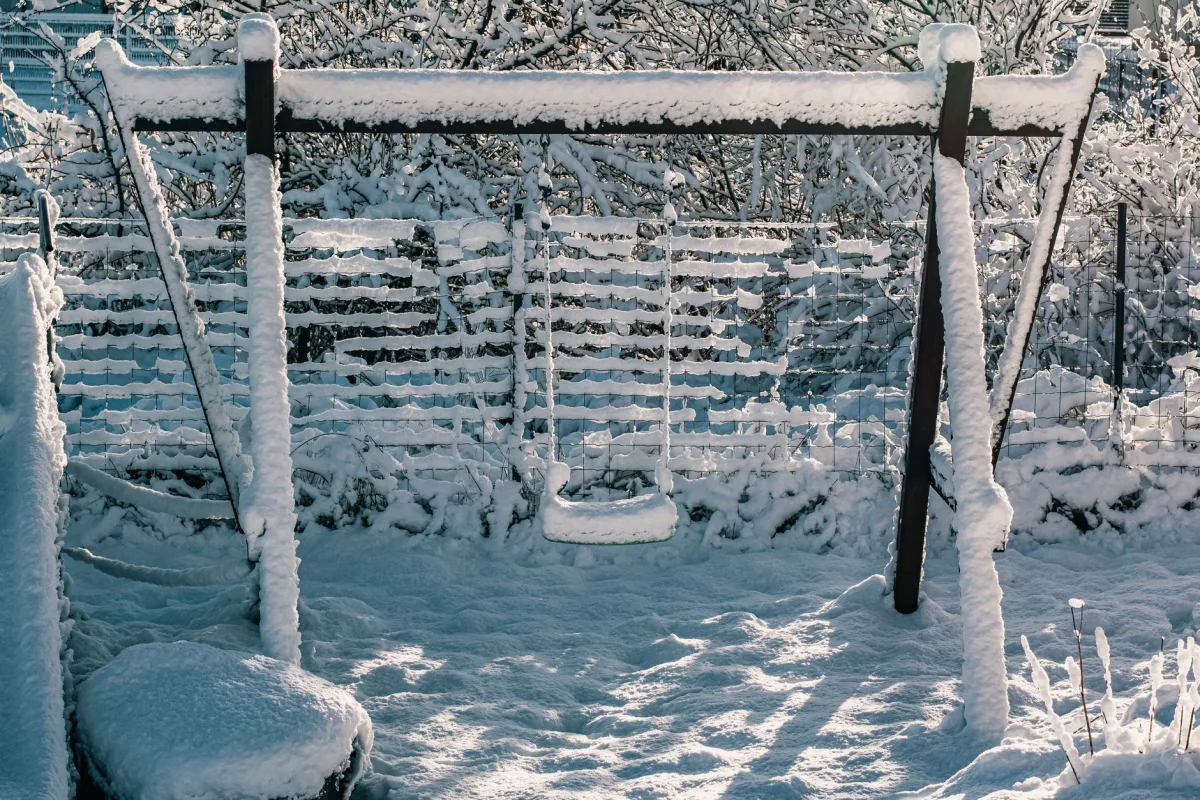
The systems that freeze tend to share a few traits: very low water use (an empty vacation home is the classic case), packed snow that has lost its fluff, or a pipe that was never buried deep enough. Here is the part that surprises people: a thick layer of undisturbed snow actually works like insulation, so the danger often runs higher in a cold, snowless snap than in the depths of deep winter. The University of Minnesota onsite sewage treatment program has documented this freezing risk in detail for cold climate homeowners.
To carry a system through winter, work through these in order:
- Keep water moving. Regular use of warm water helps carry heat through the pipes and keeps flow from stalling.
- Leave the snow alone over your tank and field. Do not shovel, plow, or drive across it, since packed snow loses its insulating value.
- Add cover if you know a line runs shallow. A foot of straw or mulch over vulnerable pipes before the first hard freeze buys real protection.
- Fix dripping fixtures. A slow drip can freeze inside a line and build an ice dam over days.
- Never pour antifreeze into the tank. It kills the bacteria you depend on and does not do what people imagine.
If you are leaving a house empty through a cold stretch, that is the highest risk scenario of all, and it deserves the same care you would give the system before any long absence.
A season-by-season look at weather and septic systems
It helps to see the whole year at a glance. Here is how the main risks and priorities shift as the weather turns from one season to the next.
| Season | Main weather stress | What it does to the system | Your priority |
|---|---|---|---|
| Spring | Rain and snowmelt | Saturates soil and can flood the field | Reduce water use, divert runoff |
| Summer | Heat and high demand | Fast digestion but heavy daily volume | Space out laundry, protect grass cover |
| Fall | Early frost and leaf litter | Cooling bacteria, clogged runoff paths | Pump if due, clear gutters and drains |
| Winter | Freezing ground and pipes | Slowed treatment, risk of frozen lines | Add cover, keep warm water moving |
No system feels every stress equally. A home in Arizona wrestles mostly with heat and drought, while one in Minnesota lives and dies by the freeze line. Knowing which season is your danger zone tells you where to spend your attention, and it often lines up with tank size too. If you are unsure your tank is right for your household load, our guide on what size septic tank you need is worth a read before the busy season hits.
Ray’s field tip
On my own system, the single best weather habit I ever adopted was watching the forecast instead of the tank. When a multi-day rain is coming, I run any needed laundry a day early, then go quiet on water use until the ground dries out. That one change, planning around the forecast rather than reacting to a slow drain, has kept my field from surfacing after a storm for years. Weather is one of the few septic variables you can actually see coming, so treat the forecast as a maintenance tool.
Frequently Asked Questions
Can heavy rain cause a septic backup?
Yes, and it is one of the most common seasonal complaints. After days of rain, the soil around your drain field fills with water and cannot absorb the effluent leaving your tank. Water then backs up toward the house, showing as slow drains or a gurgling toilet. The tank is usually fine. Cut your water use hard and give the ground a few dry days to drain before assuming anything is broken.
Should I pump my septic tank before winter?
If your tank is due or close to due, fall is a smart time to pump. You avoid trying to dig and access the tank through frozen ground, and you head into the slow bacterial months with a clean starting point. Do not pump a tank early just for the season, though. Follow your normal three to five year interval and simply time a due pumping for autumn when you can.
Does cold weather kill the bacteria in a septic tank?
Cold slows the bacteria dramatically but rarely wipes them out. The tank sits below ground where temperatures stay more stable than the air, and steady household use adds warmth. Treatment turns less efficient in winter, which is normal. The real winter danger is frozen pipes and lines, not a dead colony, so focus on keeping water moving and cover in place rather than on the bacteria themselves.
Why does my septic smell worse in certain weather?
Air pressure and moisture both play a part. Low pressure before a storm lets tank gases rise and escape more easily, and damp, heavy air holds odor close to the ground instead of letting it disperse. A saturated field can also push gas and effluent toward the surface. If the smell only shows up with certain weather and fades afterward, it is usually pressure rather than a failing system, though persistent odor deserves a closer look.
Is it bad to do laundry during a rainstorm on septic?
During a heavy multi-day storm, yes, it is worth avoiding. Your drain field is already fighting saturated soil, and a few loads of laundry send another 100 to 150 gallons into a system with no room to spare. If you must wash, do a single load and skip the rest until the ground dries. Spacing laundry across the week is good practice year round, but it matters most when the field is flooded.
Work with the weather, not against it
A septic system does not fear the weather so much as it responds to it. Rain steals the field’s breathing room, drought cracks the soil and stalls the bacteria, summer heat helps digestion but invites overload, and winter cold slows everything while threatening to freeze what is left. Once you can name which season puts your system at risk, the response is simple: ease off water use when the ground is stressed, keep traffic and packed snow off the field, and time your pumping for the shoulder seasons. None of it costs much beyond a little attention. For more plain-language help with the fundamentals of your system, browse the rest of our septic basics archive.