Walk down the household aisle at any hardware store and you’ll find a shelf of bottles and flushable packets promising to “supercharge” your septic tank, break down waste, and save you from ever needing a pump-out. For a nervous new owner, that pitch is hard to resist. But before you spend $10 to $40 a month on treatments, it’s worth asking a simple question: does your tank actually need them? I’ve run my own system for over a decade and never bought a single additive. In this article you’ll learn what these products claim, what the science and regulators actually say, and when (if ever) a treatment is worth your money.
Key Takeaways
- A healthy septic tank grows its own bacteria for free, and most homes never need an additive to keep it working.
- No additive can replace pumping, plan on pumping every 3 to 5 years regardless of what you pour in.
- Some chemical “root killer” and degreaser additives can actually harm your tank and drain field.
- The EPA and most state health departments do not recommend routine use of additives.
- The money most owners spend on treatments is better put toward a scheduled pump-out.
Let’s start with why these products exist and what they’re really promising, then compare that pitch against what a working tank already does on its own.
What Septic Additives Claim to Do
Septic additives fall into two broad groups. Understanding the difference matters, because one group is mostly harmless-but-unnecessary and the other can do real damage.
Biological Additives (Bacteria and Enzymes)
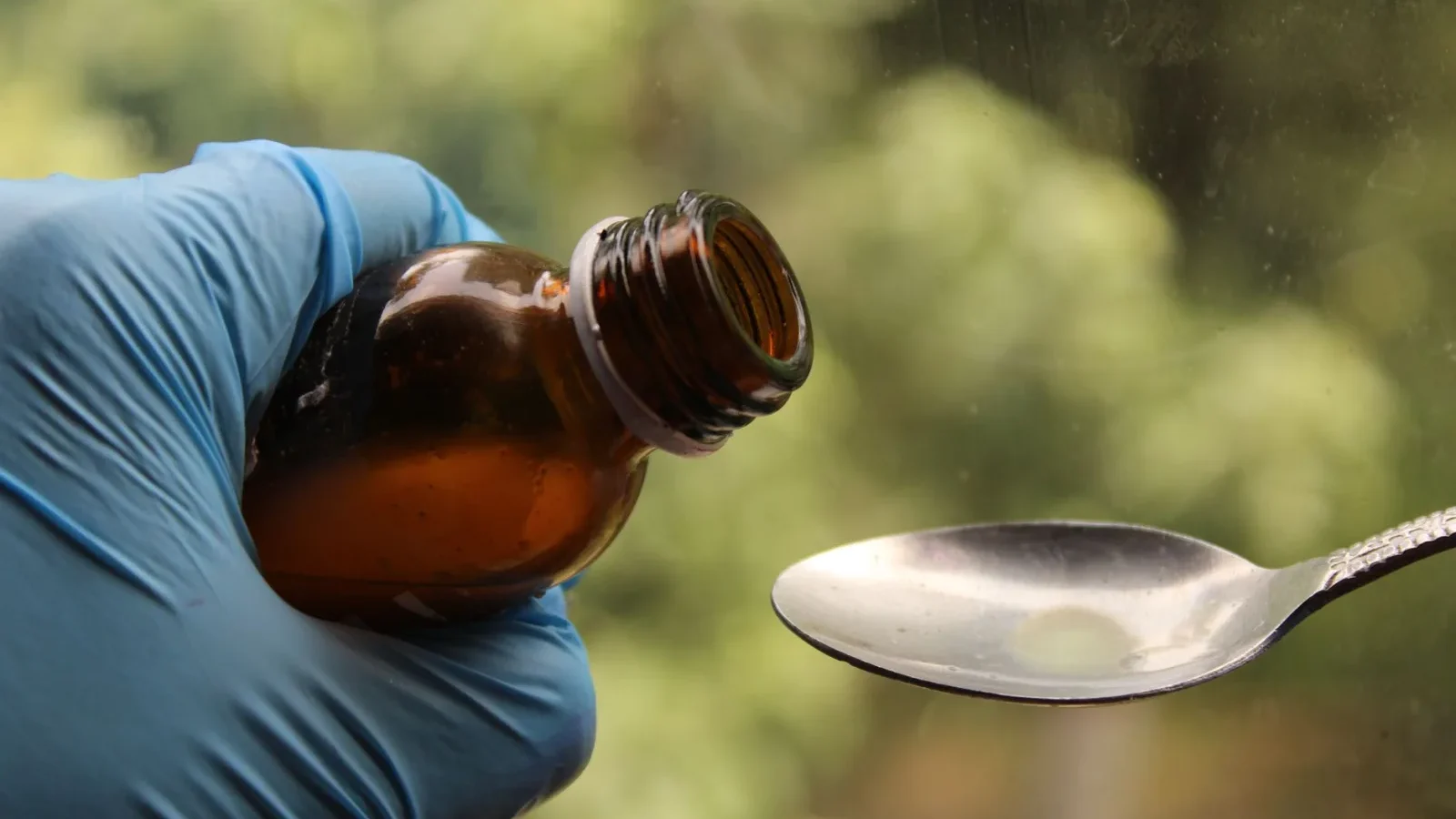
These are the friendly-sounding products, packets of dried bacteria or enzymes you flush down the toilet. The pitch is that they “boost” the microbial population in your tank so solids break down faster. In reality, the bacteria that digest waste in a septic tank arrive every day, in the waste itself. A tank is a self-seeding, living system that doesn’t run out of workers.
Chemical Additives (Solvents, Acids, and “Root Killers”)
This group promises to dissolve grease, unclog fields, or kill invading roots. Some contain harsh solvents, acids, or degreasers. The problem is that anything strong enough to “dissolve” waste can also kill the beneficial bacteria your tank depends on, or push liquefied solids and grease straight into your drain field where they clog the soil. These are the additives regulators warn against most.

What Your Tank Already Does for Free
Here’s the reassuring truth that the marketing skips over. A conventional septic tank is designed to treat waste using nothing but time, gravity, and the bacteria that naturally colonize it. Every time someone in your home uses the toilet, sink, or shower, fresh organic material and a new supply of microbes enter the tank.
Inside, the process is simple. Heavy solids settle to the bottom and form a sludge layer, where anaerobic bacteria slowly digest them. Grease and light material float to the top as scum. The relatively clear liquid in the middle flows out to the drain field for final treatment in the soil. That biology has been running in millions of tanks for decades without a single bottle of additive.
The one thing this natural process cannot do is remove the solids that don’t break down. That’s what pumping is for, and it’s the reason no additive can honestly claim to replace a pump-out. In fact, the U.S. EPA’s SepticSmart program recommends regular inspection and pumping rather than additives to keep a system healthy. To dig deeper into how these habits fit together, our complete septic system maintenance guide maps out the full routine.
A quick reality check
If a product claims it can “eliminate the need for pumping,” treat that as a red flag, not a feature. Solids still accumulate no matter what you add. The claim is the clearest sign a treatment is overselling itself.
The Additive Pitch vs. Reality
Here’s a side-by-side look at the most common marketing claims and what actually holds up. I built this from the promises printed on real product labels and what health agencies and university extensions say about each.
| The Claim | The Reality |
|---|---|
| “Adds needed bacteria to your tank” | A working tank already has plenty; waste re-seeds it daily. |
| “Reduces or eliminates pumping” | False. Non-degradable solids still build up and must be removed. |
| “Restores a failing drain field” | No product reliably reverses a clogged or saturated field. |
| “Dissolves grease and clogs” | Chemical versions can push grease into the field and harm bacteria. |
| “Prevents backups and odors” | Backups and odors point to a real problem an additive can’t fix. |
The pattern is consistent. The gentlest claims (adding bacteria) are simply unnecessary, and the boldest claims (replacing pumping or reviving a dead field) don’t hold up. For more of these marketing traps, our roundup of septic maintenance myths that waste your money is worth a read.

When Additives Might Actually Help
To be fair, I don’t think additives are always a scam. There are a few narrow situations where a biological product may do something useful, though even then it’s a supporting role, never a substitute for real maintenance.
- After heavy antibacterial use. If a household has been pouring bleach, drain cleaner, or antibacterial products down the drain for a long time, the tank’s bacteria can take a hit. A bacterial additive may help re-establish the population, though stopping the harsh chemicals matters far more.
- A rarely used vacation home. A tank that sits idle for months gets little fresh input. Some owners add bacteria when they reopen the house, but simply resuming normal use does the same job.
- On a professional’s advice. An aerobic treatment unit (ATU) or a specialty system may have a manufacturer that recommends a specific product. In that case, follow the pro’s guidance, not the store shelf.
Notice what’s missing from that list: routine, monthly use “just in case.” For a normal household on a conventional system, that’s money down the drain. Building the right daily routine, covered in our 9 best habits to keep your septic system healthy, protects your tank far better than any bottle.
Skip the chemical “shock” treatments
If a product contains solvents, strong acids, or degreasers, leave it on the shelf. These can corrode components, kill the tank’s biology, and carry partially treated grease into your drain field. The damage they cause is far more expensive than the pump-out they claim to prevent.
How to Decide for Your Own System
If you’re staring at a bottle in the store and want a clear answer, walk through these steps before you buy.
- Ask what problem you’re solving. If nothing is wrong, an additive has no job to do. A working tank doesn’t need help.
- Check the ingredients. Bacteria and enzymes are low-risk. Solvents, acids, or “root killers” are a hard no.
- Confirm you’re on a pumping schedule. If you can’t remember your last pump-out, that’s the real priority, not a treatment.
- Watch for the pumping claim. Any product that promises to reduce pumping is overselling. Set it down.
- Put the money toward a pump-out instead. A year of monthly additives can cost as much as a chunk of an actual service call.
Nine times out of ten, that walkthrough ends the same way for a typical home: put the bottle back and schedule a pump-out. For a real-world sense of the math, one owner I know spent roughly $30 a month, about $360 a year, on additives while stretching their pumping interval to “save money.” When a soggy drain field finally forced the issue, the repair bill dwarfed everything the additives supposedly prevented.
Frequently Asked Questions
Do septic tank additives really work?
For most homes, no. A healthy tank already contains the bacteria it needs, replenished daily by normal use. Biological additives are usually unnecessary, and some chemical additives can harm your system. Regular pumping and sensible water habits do far more to keep a septic tank working than any product.
Can additives replace pumping my septic tank?
No. This is the most important thing to understand. Solids that don’t break down keep accumulating in the tank no matter what you add. Only physical pumping removes them. Plan to pump a typical tank every three to five years, and treat any product that claims to replace pumping as false advertising.
Are septic additives ever harmful?
Some can be. Chemical additives with solvents, acids, or degreasers can kill your tank’s beneficial bacteria and flush grease into the drain field, where it clogs the soil. Biological bacteria and enzyme products are generally low-risk but simply unnecessary for most working systems.
Does the EPA recommend septic additives?
The U.S. EPA’s SepticSmart program and most state health departments do not recommend routine use of additives. Their guidance focuses on regular inspection, pumping every few years, conserving water, and keeping harmful materials out of the system. Additives are treated as unnecessary at best for a normally functioning tank.
When might a septic additive actually be useful?
In a few narrow cases: after heavy antibacterial or bleach use that hurt the tank’s bacteria, when reopening a vacation home that sat idle for months, or when a professional recommends a specific product for an ATU or specialty system. Even then, it supports good maintenance rather than replacing it.
Conclusion
The honest answer to “do septic tank additives work?” is that a well-maintained system doesn’t need them, and some can do harm. Your tank already grows its own bacteria for free, and the single best thing you can do is pump on schedule and be mindful of what goes down the drain. If you want a simple plan to follow instead of a shelf of bottles, start with our septic maintenance resources and build the routine that keeps your system healthy for the long haul.